
From the humble cornfield to the bustling kitchen, the journey of corn from farm to table is a fascinating one that encompasses a world of processing techniques. In this article, we will delve into the intricate processes involved in turning this versatile crop into a variety of products that grace our plates every day. Join us as we uncover the hidden gems of the corn processing industry and explore the many ways this humble grain is transformed into culinary delights.
Heading 1: History and Evolution of Corn Processing Techniques
Corn processing techniques have a rich history that dates back centuries, with innovations continuing to shape the way this versatile crop is transformed from farm to table. The evolution of corn processing has been fascinating to witness, with advancements in technology and an increased focus on sustainability driving the industry forward.
From traditional methods like stone-grinding to modern industrial processes, corn processing has come a long way. Some key techniques that have played a significant role in shaping the history and evolution of corn processing include wet milling, dry milling, and the production of corn syrup. Each method offers unique benefits and challenges, with a focus on maximizing efficiency and sustainability at the forefront of industry trends.

Heading 2: The Modern Machinery and Technology Behind Corn Processing
Corn processing has come a long way thanks to modern machinery and technology. Gone are the days when corn had to be processed by hand; today, sophisticated equipment streamlines the process from farm to table. One of the key advancements in corn processing is the use of automated machines that can remove kernels from the cob quickly and efficiently, significantly reducing the labor required.
Another modern marvel in corn processing is the use of specialized dryers and storage facilities that help maintain the quality and freshness of the corn. These technologies ensure that corn can be stored for longer periods without losing its nutritional value. Additionally, advanced milling machines are used to grind corn kernels into various products such as cornmeal, cornflour, and cornstarch, which are widely used in a variety of food products.
Heading 3: Nutritional Benefits of Corn Products for a Healthy Diet
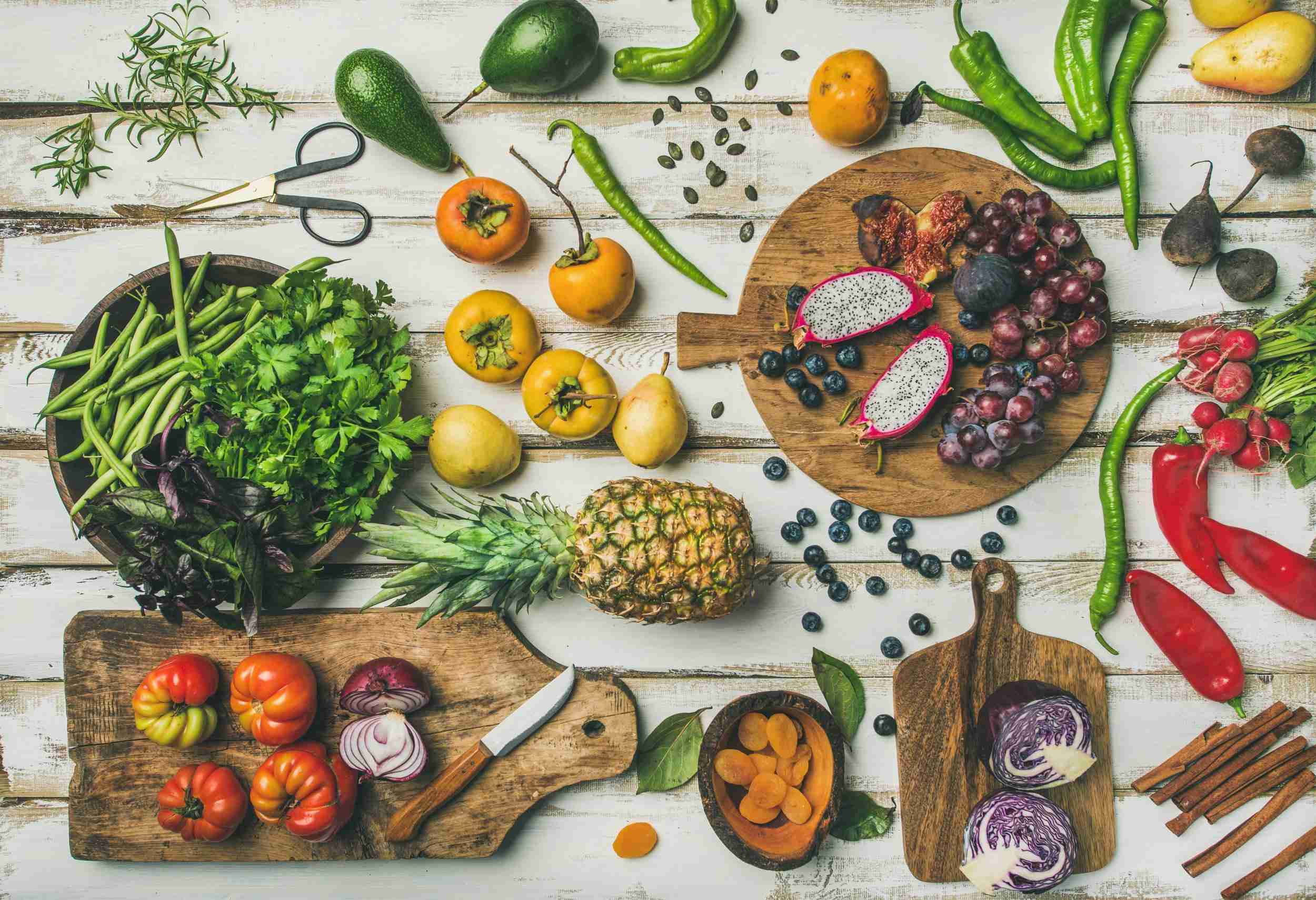
Corn is a versatile crop that offers a wide range of nutritional benefits for a healthy diet. From the sweet taste of fresh corn on the cob to the comforting warmth of cornbread, corn products have been a staple in diets around the world for centuries. High in fiber, vitamins, and minerals, corn can help support digestive health, boost energy levels, and promote overall well-being.
One of the most fascinating aspects of corn processing is the journey from farm to table. From the moment corn is harvested, it undergoes a series of transformations to become the products we know and love. Whether it’s through milling, grinding, or extracting, each step in the processing chain plays a crucial role in preserving the nutritional value and flavor of corn. By understanding the intricacies of corn processing, we gain a greater appreciation for the hard work and dedication of farmers and producers in bringing this vital crop to our plates.

Heading 4: Sustainable Practices in Corn Processing Industry and Recommendations
Sustainable Practices in Corn Processing Industry and Recommendations
One key aspect of sustainable practices in the corn processing industry is to minimize waste throughout the production process. This can be achieved through implementing efficient manufacturing processes, utilizing by-products for other purposes, and investing in technologies that reduce energy consumption and water usage. By prioritizing waste reduction, corn processing companies can significantly decrease their environmental impact and contribute to a more sustainable future for the industry.
Another important recommendation for sustainable practices in the corn processing industry is to prioritize sourcing corn from local, environmentally conscious farmers. By supporting local farmers who use sustainable agricultural practices, corn processing companies can reduce the carbon footprint associated with transportation and ensure that the corn used in their products is produced in an eco-friendly manner. Additionally, investing in research and development to find innovative ways to improve the sustainability of the corn processing industry can lead to long-term benefits for both the environment and the industry as a whole.
Final Thoughts
As we close the book on our exploration of the fascinating world of corn processing, we hope you have gained a newfound appreciation for this humble yet versatile crop. From the sprawling fields of the farm to the tables of households around the world, corn plays an integral role in our daily lives. Whether it’s in the form of a crisp tortilla chip or a warm slice of cornbread, the journey of corn from farm to table is a testament to the ingenuity and resourcefulness of humankind. So the next time you enjoy a corn-based meal, take a moment to reflect on the incredible journey that brought it to your plate. And remember, the story of corn is just one chapter in the vast narrative of our food system. Stay curious, stay engaged, and continue to explore the rich tapestry of agriculture and food production. Thank you for joining us on this enlightening journey.




