
Step into the magical world of cereal processing, where grains harvested from vast fields are transformed into the crunchy, flavorful breakfast staples we all know and love. Join us on a journey from farm to bowl as we explore the fascinating processes and techniques that bring our favorite cereals to life. From milling to toasting, mixing to packaging, discover the intricate steps that go into creating the perfect cereal for your morning routine. Get ready to dive into the captivating world of cereal processing and uncover the secrets behind your favorite breakfast treats.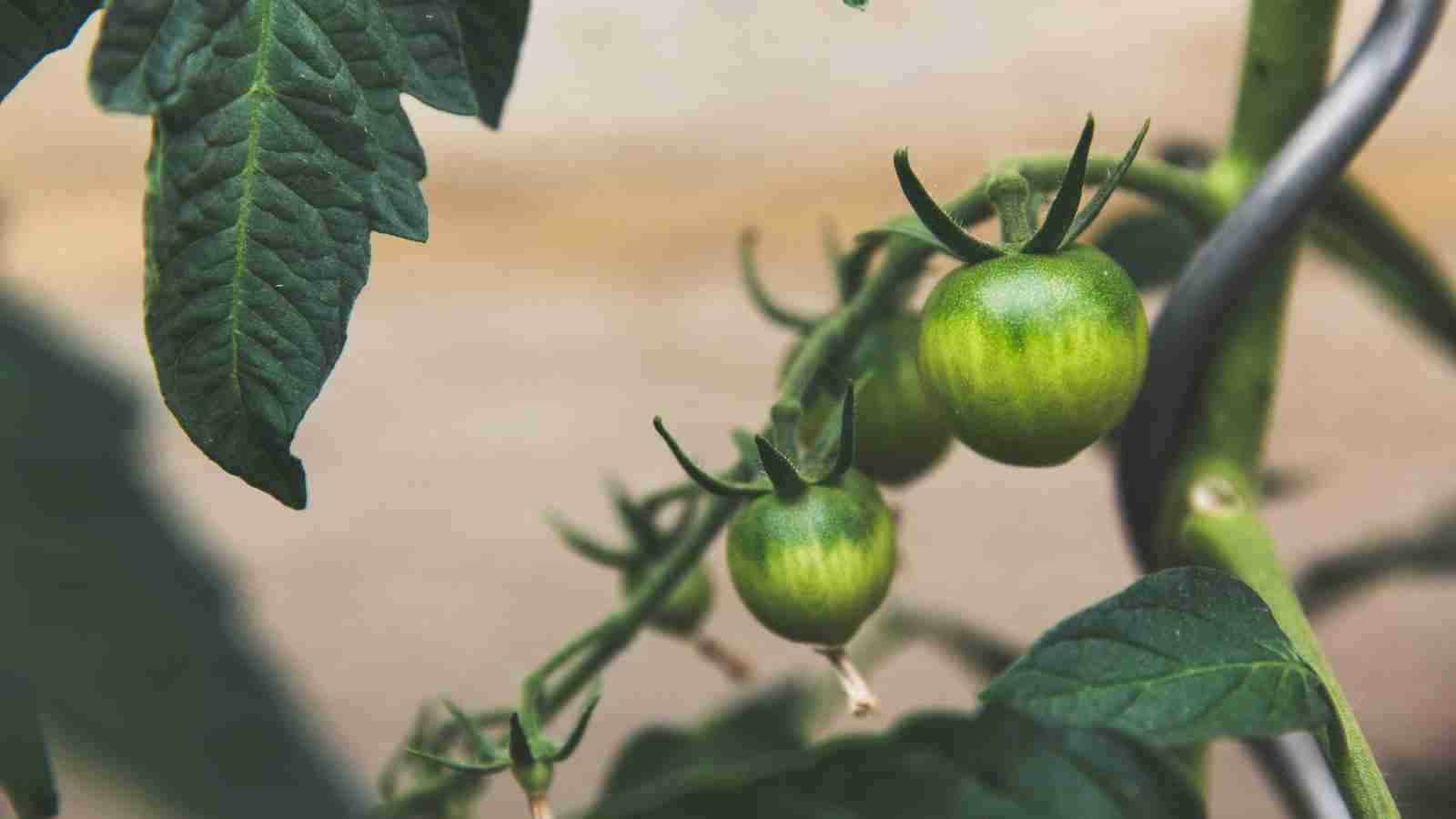
Exploring the Harvesting and Cleaning Process of Cereal Grains
When it comes to cereal grains, the journey from farm to bowl is a fascinating process that involves a series of harvesting and cleaning steps. The first step in this process is harvesting the mature grains from the fields. Farmers use specialized machinery such as combine harvesters to efficiently gather the grains from the stalks.
Once the grains are harvested, they go through a cleaning process to remove any impurities such as dirt, rocks, or other debris. This is typically done using machines that separate the grains based on size and weight. The cleaned grains are then ready to be processed into various cereal products such as breakfast cereals, bread, and pasta, providing us with a nutritious and delicious start to our day.
Unveiling the Intricate Machinery Involved in Cereal Milling
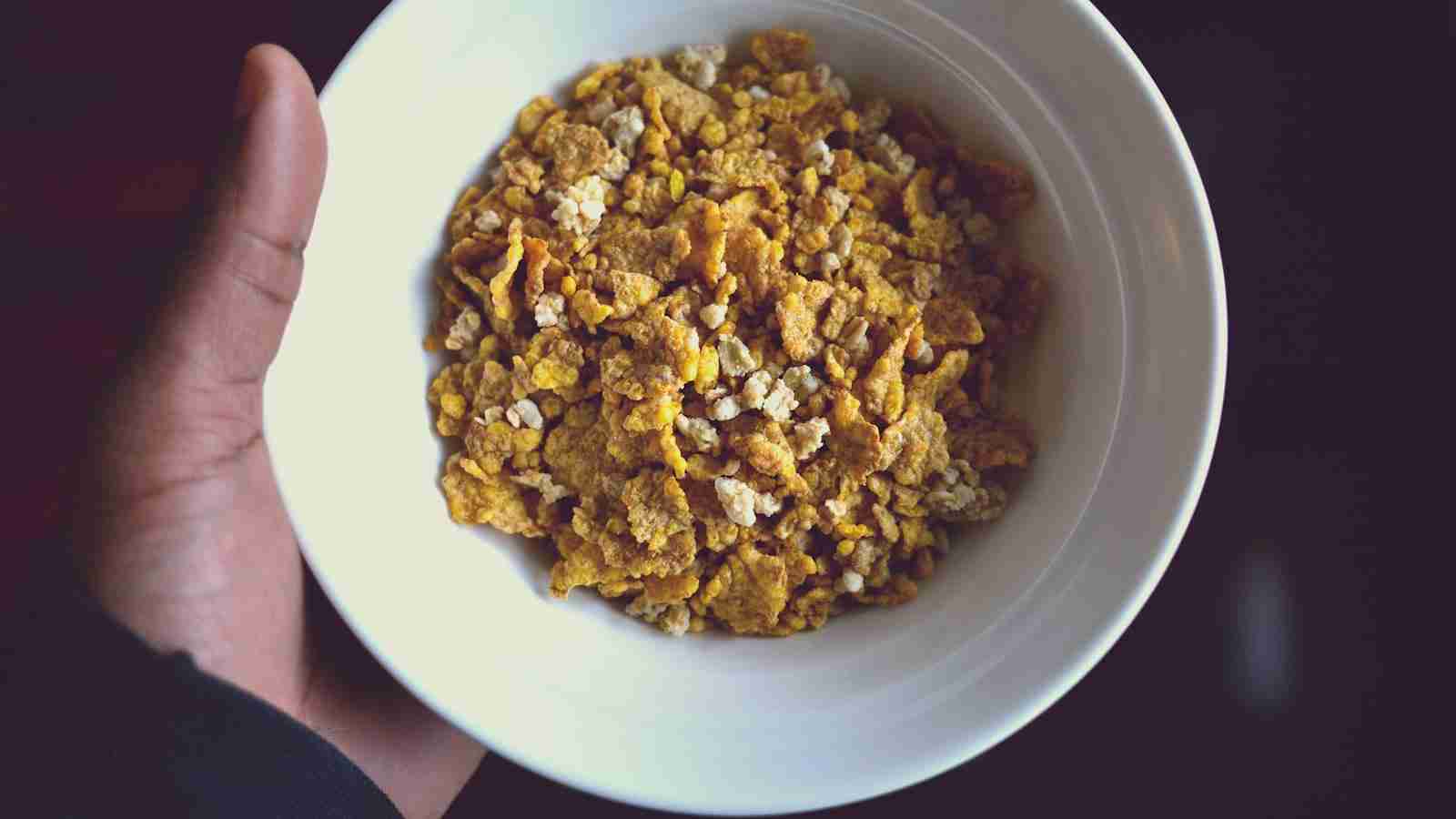
Exploring the behind-the-scenes of cereal processing unveils a complex network of machinery that transforms raw grains into the breakfast staples we enjoy each morning. At the heart of cereal milling lies a series of intricate processes that ensure the final product meets the highest quality standards.
From cleaning and sorting to grinding and packaging, every step in the cereal milling process plays a crucial role in delivering a nutritious and delicious end product. The machinery involved includes:
- Cleaning Machines: Removes impurities like stones, sticks, and foreign seeds from the grains.
- Grinding Mills: Utilizes rollers or hammer mills to crush the grains into fine particles.
- Sifters and Separators: Separate the ground grains based on size, shape, and density.

Understanding the Importance of Temperatures in Cereal Drying
Temperature control plays a crucial role in the cereal drying process, affecting everything from the overall quality of the final product to the efficiency of the drying operation. By , manufacturers can optimize their processes to ensure the best possible outcome for consumers.
One key consideration in cereal drying is the effect of temperature on moisture content. **Higher temperatures** can lead to faster drying times, but they also increase the risk of scorching or uneven drying. **Lower temperatures**, on the other hand, may result in longer drying times but can help preserve the flavor and nutritional content of the cereal. Finding the right balance is essential for achieving the desired product quality.
Tips for Choosing the Perfect Breakfast Cereal for a Well-Balanced Meal
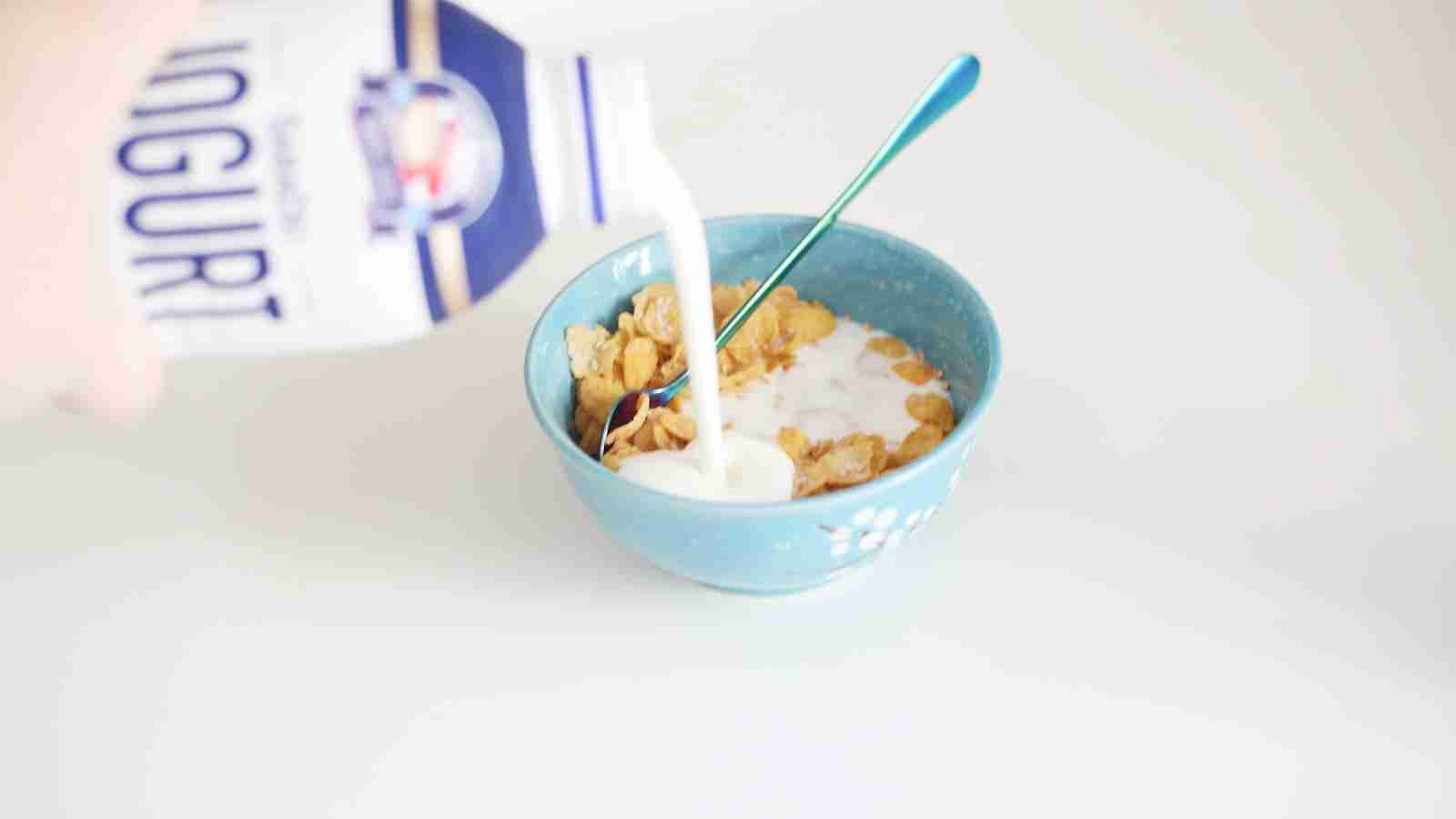
When it comes to choosing the perfect breakfast cereal for a well-balanced meal, there are a few key factors to consider. First and foremost, it’s important to look for a cereal that is low in sugar and high in fiber. This will help keep you feeling full and satisfied throughout the morning. In addition, choosing a cereal that is fortified with vitamins and minerals can help ensure that you are getting the nutrients you need to start your day off right.
Another important factor to consider when selecting a breakfast cereal is the ingredients used in the processing. Opt for cereals that are made with whole grains, as these have more nutrients and fiber than their refined counterparts. Additionally, try to choose cereals that are made with natural ingredients and are free from artificial colors and flavors. By following these tips, you can ensure that you are choosing a cereal that will provide you with the fuel you need to tackle your day head-on.
In Retrospect
As we’ve journeyed through the captivating world of cereal processing, we’ve gained a newfound appreciation for the complex and meticulous process that brings our favorite cereals from the farm to our bowls. From the careful selection of grains to the precise milling and blending techniques, every step plays a vital role in crafting the perfect bowl of cereal. So the next time you enjoy your morning breakfast, take a moment to savor the taste and marvel at the journey that brought it to your table. From farm to bowl, the story of cereal processing is truly a fascinating one.




