
In the hustle and bustle of modern life, it’s easy to overlook the intricate process that brings our favorite breakfast staple from the farm to our bowls each morning. Join us as we delve into the fascinating world of cereal processing, exploring the artistry and precision behind the creation of those crispy, crunchy delights that fuel our days. From the fields where the grains are grown to the factories where they are transformed into our beloved cereals, let’s uncover the magic that happens on the journey from farm to bowl.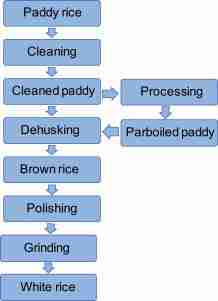
Understanding Cereal Processing Techniques
When it comes to cereal processing techniques, there is a delicate balance of science and artistry that goes into creating the perfect breakfast staple. The journey of cereal production begins on the farm, where grains such as wheat, corn, oats, and rice are carefully cultivated and harvested. These raw ingredients are then transported to processing plants where they undergo a series of intricate steps to transform them into the familiar cereals we enjoy.
From cleaning and milling to cooking and shaping, each stage of the process plays a crucial role in ensuring that the final product meets the highest standards of quality and taste. Innovations in technology have also revolutionized cereal processing, allowing manufacturers to create a wide variety of textures, flavors, and shapes to cater to diverse consumer preferences. Whether it’s flakes, puffs, or clusters, the art of cereal processing continues to evolve, inspiring new and exciting breakfast options for all to enjoy.
Preserving Nutritional Value in Cereal Processing
Cereal processing plays a crucial role in ensuring that the nutritional value of grains is maximized from farm to bowl. One key aspect of this process is to preserve the essential nutrients present in grains, such as vitamins, minerals, and fiber, through careful handling and processing techniques.
By employing methods like steaming, flaking, and baking, cereal manufacturers are able to retain the nutritional integrity of grains while still creating delicious and convenient products for consumers. Additionally, incorporating whole grains into cereals ensures that they are rich in fiber and antioxidants, providing a wholesome and nourishing breakfast option for individuals of all ages.

Enhancing Flavor Profiles through Artisanal Processing Methods
When it comes to cereal processing, artisanal methods play a crucial role in enhancing flavor profiles and creating truly unique products. From the moment the grains are harvested on the farm to the final bowl of cereal enjoyed by consumers, each step in the process is carefully curated to ensure the highest quality and most delicious end result.
Artisanal processing methods often involve traditional techniques that have been passed down through generations, as well as innovative approaches that push the boundaries of flavor and texture. Whether it’s hand-selecting the finest grains, roasting them to perfection, or adding custom blends of spices and sweeteners, every detail is considered in the pursuit of creating a truly exceptional cereal experience. By prioritizing quality over quantity and taking the time to craft each batch with care, artisanal cereal processors are able to deliver products that stand out in a crowded market.

Exploring Sustainable Practices in Cereal Production
When it comes to cereal production, sustainable practices play a crucial role in ensuring the quality and environmental impact of the final product. From the moment the seeds are planted in the ground to the milling process that transforms them into the breakfast staple we all know and love, every step of the journey requires careful attention to sustainability. This means using resources efficiently, minimizing waste, and promoting biodiversity on the farms where the grains are grown.
One key aspect of sustainable cereal production is the use of organic farming methods. By avoiding synthetic pesticides and fertilizers, organic farmers can protect the soil and water quality, reduce greenhouse gas emissions, and support a healthier ecosystem overall. Additionally, investing in renewable energy sources for processing facilities can further reduce the carbon footprint of cereal production. By combining these practices with innovative technologies and a commitment to sustainability, we can ensure that every bowl of cereal we enjoy is not only delicious but also environmentally friendly.
In Conclusion
In conclusion, the journey of cereal from farm to bowl is a true art form that involves precision, innovation, and dedication. By exploring the intricate processes and techniques behind cereal processing, we gain a deeper appreciation for the staple breakfast food that has been a part of our lives for generations. So, the next time you pour yourself a bowl of cereal in the morning, take a moment to reflect on the craftsmanship and care that goes into each bite. From farm to bowl, cereal processing truly is a work of art.




