
From Cob to Product: The Intricacies of Corn Processing
In the heart of America’s grain belt, a seemingly simple crop holds the promise of remarkable transformation. Corn, often taken for granted in its golden splendor, is far more than just a staple on our dinner plates; it is a multifaceted resource that fuels industries, sustains economies, and nourishes both livestock and humans alike. From the rustling of its sturdy stalks in sun-drenched fields to the humming machinery of processing plants, the journey of corn is a complex narrative woven with tradition, technology, and innovation. This article delves into the intricate process that takes corn from cob to an array of products, exploring the techniques that unlock its potential, the challenges faced by processors, and the critical role it plays in our everyday lives. Whether you’re a food enthusiast, an industry professional, or merely curious about this versatile grain, join us as we peel back the layers of corn processing to reveal not just its journey, but the impact it has on our world.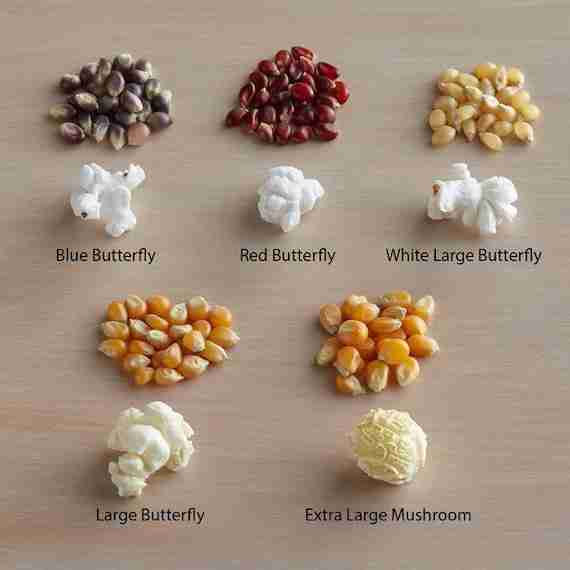
Harnessing the Kernels: Understanding the Stages of Corn Processing
Corn processing is a meticulous journey that transforms raw cobs into valuable products, employing a series of stages that each play a critical role in achieving the final outcome. The journey begins with harvesting, where farmers carefully gather ripe corn from the fields. This is followed by shelling, a process that removes the kernels from the cob. The extracted kernels then move on to cleaning, where they are separated from debris and impurities, ensuring only the highest quality kernels continue on. Each stage is vital, as any missing step can affect the quality and yield of the final products.
Once the kernels are cleaned, they enter the next phase of processing: milling. In this stage, the kernels are ground into cornmeal or flour, and can also undergo wet processing to extract valuable components like starch and gluten. The resulting materials can then be used for a variety of applications, from baking to brewing. Fermentation is another critical stage, especially for producing ethanol and other beverages, while packaging ensures the processed products maintain their freshness and quality for consumers. Throughout this intricate saga, each step is interconnected, culminating in a rich array of corn-based products that reach our tables.
| Stage | Description |
|---|---|
| Harvesting | Gathering ripe corn from fields. |
| Shelling | Removing kernels from the cob. |
| Cleaning | Separating kernels from debris. |
| Milling | Grinding kernels into flour or meal. |
| Fermentation | Converting sugars into alcohol or acids. |
| Packaging | Ensuring product freshness and quality for consumers. |

From Field to Factory: The Journey of Corn in Modern Agriculture
Corn, often referred to as maize, embarks on a fascinating journey once it is harvested from vast, sun-drenched fields. After the cobs are collected, they undergo a detailed sorting process, ensuring that only the highest quality kernels make the transition from the farm to processing plants. This initial step is crucial, as it sets the stage for the transformation of this versatile grain into a plethora of products. The selected cobs are then subjected to cleaning and drying, where moisture levels are meticulously regulated to prevent spoilage and maintain flavor integrity. Post-cleaning, the kernels are shelled and further processed into various forms, creating opportunities for both human consumption and industrial applications. Some key processes involved include:
- Grinding: Corn is milled into flour or meal, the base for many baked goods.
- Fermentation: Select kernels are fermented to produce biofuels and sweeteners.
- Extrusion: Processed corn pieces are expanded to create snack foods and cereals.
The versatility of corn is further highlighted during the processing phase as it is transformed into distinct products with unique applications. Processing plants feature cutting-edge technologies that ensure efficiency while maintaining the nutritional benefits of the corn. They employ methods such as steam cooking, which enhances the extraction rate of starches and oils, leading to higher yields for products like corn syrup and cooking oils. In these facilities, quality control is paramount; strict testing protocols monitor everything from texture to taste, ensuring that each end product meets stringent safety and quality standards. A simple overview of some popular corn products includes:
| Product | Uses |
|---|---|
| Corn Flour | Baking, thickeners |
| Popcorn | Snacks, movie theaters |
| Corn Oil | Cooking, margarine |
| High-Fructose Corn Syrup | Sweetener in beverages |

Transforming Nature’s Bounty: Techniques for Effective Corn Utilization
Corn is not just a staple food but a versatile raw material that can be transformed into a myriad of products. At every phase of its processing, from cob to consumer goods, there are techniques designed to maximize the utility of this crop. Some effective methods include:
- Milling: This process involves grinding corn to produce flour, grits, and meal, opening avenues for baked goods and countless culinary applications.
- Fermentation: By converting corn into alcohol or vinegar, this technique highlights the crop’s adaptability in producing beverages and flavoring agents.
- Drying and Storage: Proper methods can extend shelf life and preserve nutritional value, ensuring corn remains a viable food source long after harvest.
- Extrusion: Through this high-heat process, snack foods and cereals can be created, adding texture and enhancing flavor.
Innovations in corn processing not only enhance the value of the crop but also contribute to sustainability. Here’s a look at some corn byproducts that are gaining attention:
| Byproduct | Uses |
|---|---|
| Corn Starch | Thickener in sauces, food packaging material |
| Corn Oil | Culinary oil, biodiesel production |
| Dextrose | Sweetener in beverages, energy-boosting products |
| Distillers Grains | Animal feed, an excellent protein source |

Sustainable Practices: Recommendations for Eco-Friendly Corn Processing
Embracing sustainable practices in corn processing not only benefits the environment but also enhances the quality and marketability of corn-based products. Implementing crop rotation and cover cropping can improve soil health, reduce pest populations, and enhance biodiversity. By adopting integrated pest management techniques, processors can minimize the reliance on chemical pesticides, protecting local ecosystems. Utilizing energy-efficient equipment and renewable energy sources, such as solar panels and wind turbines, can significantly reduce carbon emissions during processing. Additionally, water conservation strategies like rainwater harvesting or recycling wastewater can enhance resource efficiency.
To further promote eco-friendliness, corn processors should consider the following strategies:
- Minimal Waste Production: Implementing efficient processing techniques to reduce by-products.
- Utilizing by-products: Transforming corn husks and cobs into biofuels or compost.
- Sustainable Packaging: Using biodegradable or recyclable materials for product packaging.
- Local Sourcing: Partnering with nearby farmers to reduce transportation emissions.
| Eco-Friendly Practices | Benefits |
|---|---|
| Energy Efficiency | Lower operational costs and reduced carbon footprint |
| Water Management | Preserves water resources and reduces costs |
| Waste Utilization | Generates additional income and decreases landfill waste |
The Conclusion
As we journeyed through the intricate world of corn processing, we unearthed the remarkable transformation of this humble grain—from its rustic cob form to the polished products we find in our supermarkets. Each step in this process reveals not only the ingenuity of agricultural practices but also the economic and cultural significance of corn across the globe.
While we often overlook the origins of the foods we consume, understanding the complexities of corn processing invites us to appreciate the delicate balance of nature, technology, and tradition that feeds millions. From biofuels to tantalizing snacks, corn plays an indispensable role in our lives, reminding us that behind every product lies a story of hard work and innovation.
As we leave the fields and factories behind, let us carry forward a newfound respect for this versatile crop. The next time you enjoy a bowl of popcorn or a slice of cornbread, take a moment to reflect on the journey it undertook to reach your plate. In embracing this knowledge, we cultivate a deeper connection with our food and the rich tapestry of agricultural practices that sustain us. The cycle of corn, from cob to product, continues to thrive—ever evolving, ever essential.




