
In the lush landscapes of ancient Mesoamerica, maize has long held a revered place in the hearts and diets of millions. From sacred rituals to daily sustenance, this versatile grain has woven itself into the very fabric of countless cultures. Yet, the journey from cob to meal is a fascinating process that marries both art and science. In the intricate dance between tradition and innovation, maize milling stands as a testament to human ingenuity, transforming humble kernels into a myriad of culinary delights. As we explore the methods and techniques behind this age-old practice, we will uncover the subtle nuances of texture, flavor, and nutrition that come to life when maize is milled. Join us on a journey through the grain fields and milling rooms, where each step in the process reveals the harmony of nature and technology, highlighting the essential role that maize plays in feeding the world.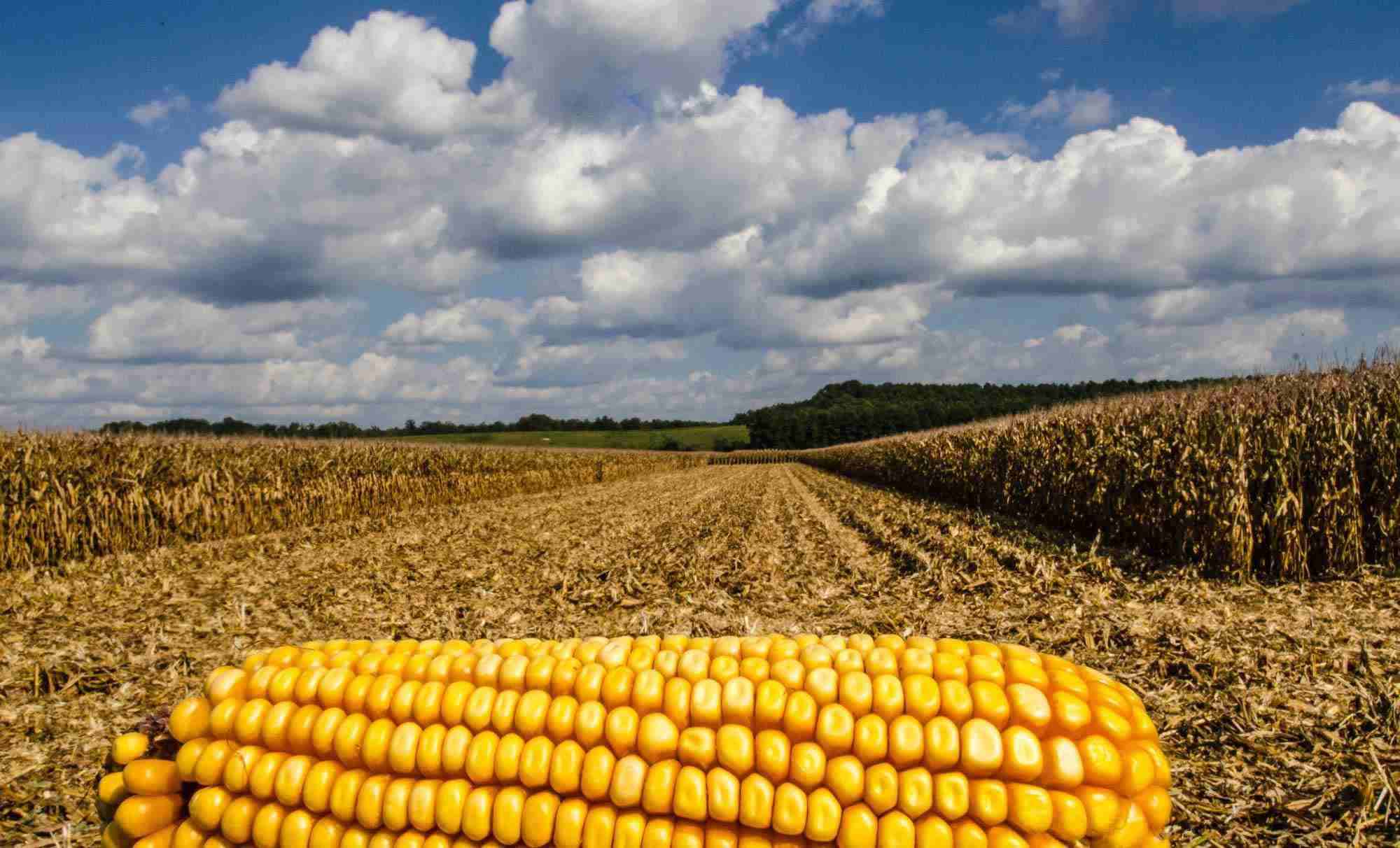
The Journey of Maize: Understanding the Cob-to-Meal Transformation
Unraveling the transformation of maize from cob to meal is akin to witnessing a captivating dance of nature and technology. The adventure begins in the fields, where the maize plant flourishes under the warm sun. Each vibrant ear is meticulously cultivated, requiring the right blend of water, nutrients, and care. Once harvested, these golden cobs journey to milling facilities, where they will be processed and refined into meal. At this stage, traditional representations of maize, such as husking and drying, give way to cutting-edge technologies that enhance efficiency and maintain quality. The art of milling combines sustainable practices with modern engineering, ensuring that every kernel is utilized to its fullest potential.
In the milling facility, the cob undergoes several transformation stages. Initially, it is subjected to cleaning, where impurities are removed. Following this, a series of steps such as dehulling, grinding, and sifting take place. These processes not only refine the texture but also preserve the nutritional benefits found in maize. Below is a brief overview of these crucial stages:
| Stage | Description |
|---|---|
| Cleaning | Removing dirt, stones, and other impurities from the cob. |
| Dehulling | Separating the outer husk from the kernels. |
| Grinding | Breaking down kernels into fine particles. |
| Sifting | Separating meal based on desired coarseness. |
As these processes intertwine, they transform the humble maize cob into a versatile meal, ready to enrich various culinary traditions. Whether it’s used for tortillas in Mexico or polenta in Italy, the journey from cob to meal is a remarkable testament to the synergy between agricultural heritage and modern milling techniques.
Essential Equipment for Efficient Milling: Tools of the Trade
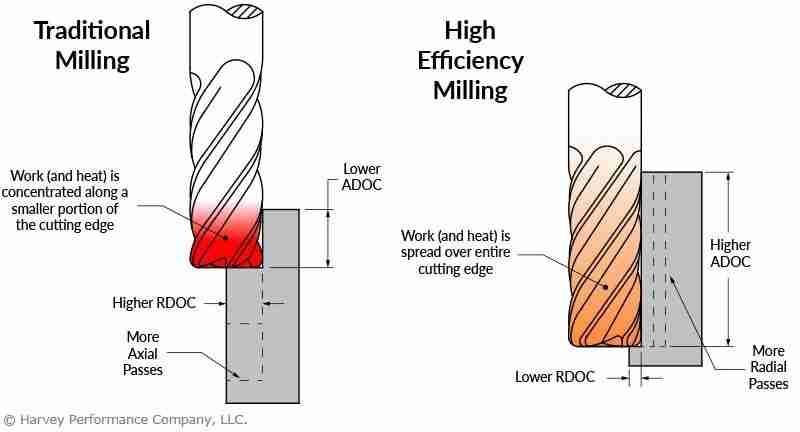
To achieve optimal results in maize milling, the right tools are essential for each stage of the process. Grinders and crushers are pivotal in breaking down maize kernels to the desired particle size. The hammer mill, with its high-speed rotating blades, can efficiently pulverize the maize into meal or flour, while the stone mill offers a more traditional option, giving a coarser texture and deeper flavor, often favored by artisanal producers. Sifters play a crucial role in separating fine flour from coarser particles, ensuring that the final product meets quality standards. These machines, alongside conveyors for movement and storage, create a seamless workflow that enhances productivity.
Understanding the need for maintenance and adaptability, investing in high-quality tools is wise. Regular updates to spare parts can minimize downtime and prolong the lifespan of machinery. Additionally, laboratory equipment for quality analysis cannot be overlooked. The following table summarizes key equipment for a successful milling setup:
| Equipment | Function | Importance |
|---|---|---|
| Hammer Mill | Grinds maize rapidly | High efficiency in production |
| Stone Mill | Traditional grinding method | Preserves flavor and texture |
| Sifters | Separates flour quality | Ensures consistent product |
| Laboratory Equipment | Quality control testing | Maintains product standards |

Nutritional Considerations: Maximizing the Health Benefits of Maize Meal
When it comes to maize meal, understanding its nutritional profile is key to unlocking its health benefits. Packed with essential nutrients, maize meal is a rich source of carbohydrates, providing energy for daily activities. It also contains valuable vitamins and minerals, such as:
- Thiamine (Vitamin B1) – crucial for energy metabolism and nerve function.
- Pantothenic Acid (Vitamin B5) – important for the synthesis of coenzyme A, aiding in fatty acid metabolism.
- Iron – vital for transporting oxygen in the blood.
Furthermore, maize meal can be fortified with additional nutritional elements to enhance its health benefits. By incorporating various ingredients into dishes made with maize meal, consumers can increase the nutrient density of their meals. Some effective options include:
- Adding legumes for increased protein and fiber.
- Incorporating vegetables to boost vitamins and minerals.
- Using fortified maize meal options that contain added vitamins such as folic acid and iron.
| Nutritional Component | Amount per 100g of Maize Meal |
|---|---|
| Calories | 365 kcal |
| Carbohydrates | 74 g |
| Protein | 9 g |
| Fat | 4 g |
By paying close attention to these nutritional considerations, individuals can maximize the benefits of maize meal. The art of meal creation lies not just in the preparation, but also in the thoughtful selection and combination of ingredients that together form a nutrient-rich, wholesome dish.

Sustainable Practices in Milling: Reducing Waste and Enhancing Quality
In the world of maize milling, sustainable practices are becoming increasingly essential as we seek to balance efficiency with environmental responsibilities. One of the most effective approaches is the reduction of waste through innovative processing techniques. By employing advanced equipment that minimizes kernel breakage, mills can ensure more grain is converted into high-quality meal, leaving less byproduct. Furthermore, the adoption of circular economy principles, such as repurposing husks and cob waste for animal feed or bioenergy, directly mitigates landfill contributions and enhances resource utilization.
Another critical aspect is the emphasis on quality over quantity. Using sustainable sourcing practices, mills can ensure they receive maize that has been grown with minimal chemical inputs, which not only yields healthier products but also supports local farmers. Technology plays a pivotal role here; tools like moisture sensors and sorting machines enhance the milling process by ensuring that only the best grain is processed. The table below illustrates some of the key sustainable practices currently being integrated into maize milling operations:
| Practice | Description |
|---|---|
| Waste Minimization | Implementing equipment that reduces grain loss during milling. |
| Byproduct Utilization | Recycling husks and cobs into animal feed or bioenergy. |
| Quality Sourcing | Prioritizing maize from sustainable farming practices. |
| Technological Integration | Using sensors for measuring moisture and grain quality. |
Future Outlook
As we conclude our exploration of maize milling—from the humble cob to the nourishing meal—it’s clear that this age-old practice is a harmonious blend of art and science. This journey through time and technique reveals how each grain carries with it stories of culture, innovation, and sustainability. The rhythmic sounds of the mill, the earthy aroma of freshly ground maize, and the vibrant dishes it inspires all highlight the intricacies involved in this transformative process.
In a world that often embraces fast and easy solutions, the meticulous care that goes into milling maize serves as a reminder of the value in craftsmanship and tradition. As we continue to appreciate and celebrate the versatility of this staple crop, we also recognize the importance of preserving these methods for future generations.
Thus, whether it’s for a rustic polenta, a homemade tortilla, or a hearty cornbread, the path from cob to meal showcases the rich tapestry of our culinary heritage. As we savor the fruits of this labor, let us remain curious and respectful stewards of our food systems, honoring the deep-rooted traditions that have brought us from field to table, and inspiring future innovations in the art of milling.




