
In the heart of countless kitchens and culinary traditions lies one of humanity’s oldest and most versatile grains: maize. From ancient rituals to modern recipes, the journey of this golden crop from cob to cornmeal is a captivating tale of transformation and craftsmanship. As we peel back the layers of this time-honored process, we discover not just the mechanics of milling but also the artistry involved in unlocking the potential of maize. In this exploration, we will delve into the techniques, tools, and cultural significance that define maize milling, revealing how a simple grain becomes a fundamental ingredient in diverse cuisines worldwide. Join us as we unveil the rich tapestry of flavors, textures, and stories woven through the art of maize milling, celebrating a staple that has nurtured civilizations for generations.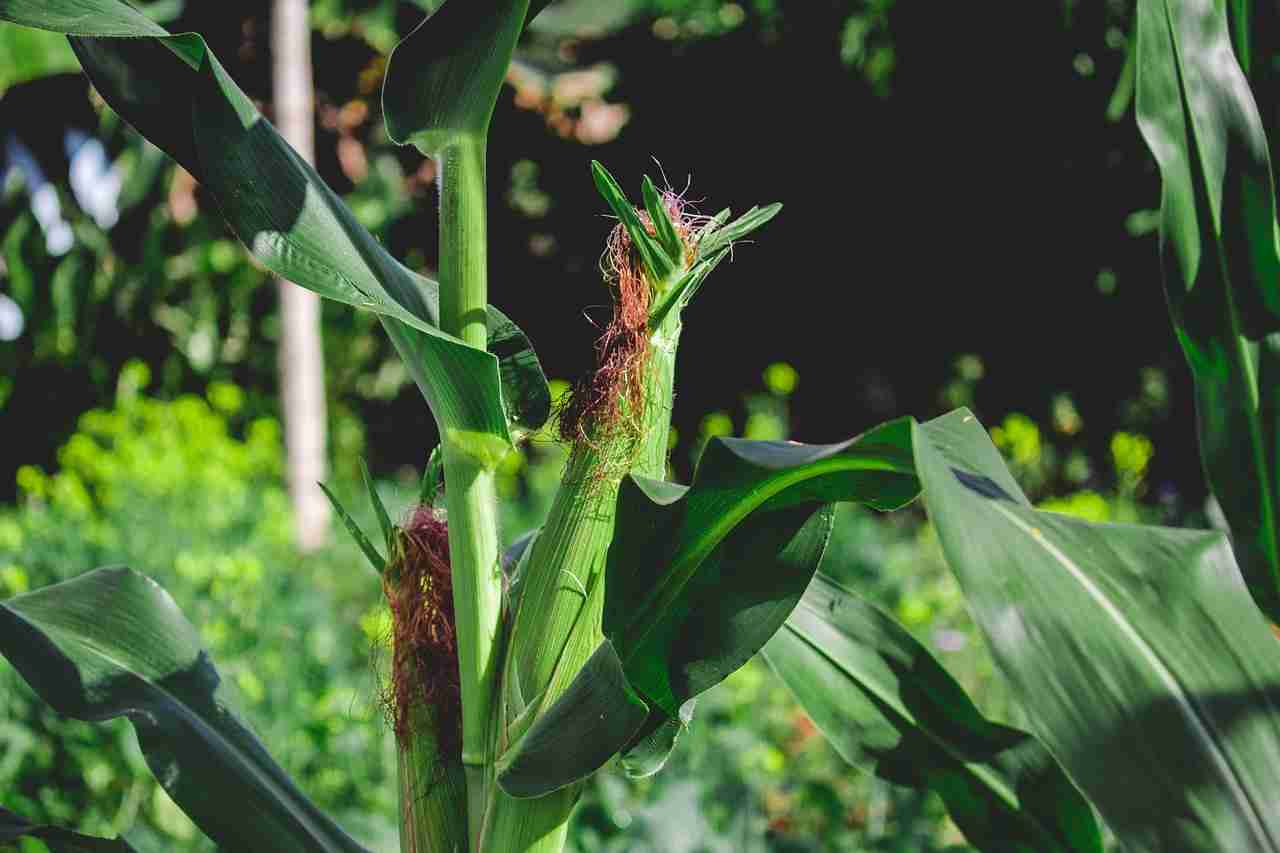
The Journey from Field to Mill: Understanding the Maize Lifecycle
From the moment a maize seed is sown into the fertile soil, a captivating transformation begins, leading to the golden harvest that will eventually become the staple cornmeal on our tables. As the sun kisses the fields and rain nourishes the plants, each maize stalk grows tall and robust, boasting vibrant green leaves. Farmers meticulously tend to these crops, ensuring they receive the right nutrients and protection against pests. The lifecycle can be broken down into key stages:
- Germination: The seed sprouts and begins to grow roots and shoots.
- Tasseling: The plant develops its flowering structure, crucial for pollination.
- Silking: The female flowers emerge, appearing like silky strands, ready for pollination.
- Kernel Formation: After pollination, kernels begin to form on the cob.
- Maturation: The ears of corn ripen, changing color and moisture content.
Once harvested, the journey of maize continues as the grains are transported to the mill, where the careful process of milling begins. Here, the maize undergoes multiple stages, including cleaning, conditioning, and grinding. Each step is essential to produce the finest cornmeal, a staple that embodies rich flavor and texture. The milling process can be envisioned through a streamlined layout:
| Process Stage | Description |
|---|---|
| Cleaning | Removing impurities and foreign materials. |
| Conditioning | Adjusting moisture content for optimal milling. |
| Grinding | Breaking down the kernels into fine flour or meal. |
This intricate journey reflects not only the agricultural prowess of maize cultivation but also the skilled craft of milling that transforms raw cobs into culinary delights, ensuring that every grain carries with it the essence of the earth’s bounty.

Exploring Traditional and Modern Milling Techniques
The journey from cob to cornmeal is steeped in history, illustrating the delicate balance between tradition and innovation in milling techniques. Traditional methods, often passed down through generations, emphasize a deep connection to the land and the materials used. Stone mills, for example, grind maize using the natural friction of two large stones, producing a coarse texture that retains the grain’s nutritional value. These techniques can be characterized by:
- Handcrafted Precision: Artisans closely monitor the process, ensuring that only the finest corn is selected.
- Minimal Processing: Preserves the flavor and integrity of the maize, resulting in rich, wholesome meals.
- Local Ingredients: Often sourced from nearby farms, enhancing community ties.
In contrast, modern milling techniques leverage advanced technology to optimize efficiency and consistency, meeting the demands of a global market. Roller mills have become a staple in the industry, utilizing steel rollers to crush and refine maize into various particle sizes. The benefits of these methods include:
- High Yield: Maximizes the amount of meal extracted to reduce waste.
- Controlled Environment: Allows for precise adjustments to settings, ensuring uniformity in product.
- Faster Production: Meets the growing demand for processed cornmeal without compromising on quality.
| Traditional Milling | Modern Milling |
|---|---|
| Stone grinding | Roller milling |
| Lower production speed | High production efficiency |
| Rich in flavor | Consistent texture |
| Emphasis on heritage | Focus on scalability |

Choosing the Right Equipment: A Guide for Aspiring Millers
When embarking on your journey into maize milling, selecting the right equipment is paramount to achieving the finest quality product. The world of milling offers a plethora of devices, each with unique capabilities tailored for specific grains and purposes. When evaluating the right tools, consider the following factors:
- Type of Mill: Decide whether a traditional stone mill or modern steel roller mill suits your vision. While stone mills produce a coarser flour with a distinct flavor, steel mills offer precision and efficiency.
- Capacity: Assess how much maize you intend to mill regularly. Smaller home setups might benefit from table-top models, while commercial operations will require larger, industrial-grade machinery.
- Power Source: Choose between electric or manual mills. Electric mills provide convenience, whereas manual mills may be more portable and energy-efficient.
- Maintenance Requirements: Investigate the upkeep needs of each machine; some may require more frequent cleaning or parts replacement.
Another vital aspect to consider is the overall setup of your milling operation. A well-organized workspace can greatly enhance productivity and safety. Utility considerations include:
| Utility | Importance |
|---|---|
| Electricity | Essential for electric mills. |
| Water Supply | Necessary for cleaning and some milling processes. |
| Ventilation | Helps control dust and maintain air quality. |
| Storage Space | For raw maize and finished products. |
Combining the right machinery with effective utility management sets the foundation for a successful maize milling operation, whether for personal enjoyment or commercial enterprise.
Unlocking Culinary Potential: Innovative Uses for Fresh Cornmeal
Fresh cornmeal is a culinary gem that can elevate dishes beyond traditional cornbread and polenta. With its unique texture and subtly sweet flavor, it can be incorporated into various recipes, transforming everyday meals into delightful culinary experiences. Consider experimenting with cornmeal in:
- Pancakes and Waffles: Add cornmeal to your batter for a crispy exterior and a hint of sweetness.
- Coating for Proteins: Use cornmeal as a coating for fried chicken or fish, offering a crunchy bite that enhances flavor.
- Vegetable Fritters: Mix cornmeal into vegetable fritter batters for an added depth of flavor and texture.
- Soups and Stews: Use it as a thickening agent, giving your liquid dishes a hearty consistency.
Not limited to savory dishes, cornmeal also shines in desserts. Its distinctive flavor works wonderfully in sweet applications, offering a rustic twist to classic recipes. Explore these innovative ideas:
| Dessert Ideas | Description |
|---|---|
| Cornmeal Cake | Moist and rich, the cake provides a unique crumb and a delightful corn flavor. |
| Polenta Pudding | A creamy dessert topped with fruit and a drizzle of honey, blending textures perfectly. |
| Cornmeal Cookies | Crunchy on the outside, these cookies offer a chewy center with a hint of corn sweetness. |
Insights and Conclusions
As we conclude our exploration of maize milling, we’ve uncovered the intricate journey that transforms humble cob into fine cornmeal—a process steeped in tradition, innovation, and an enduring connection to the land. Each stage, from the rhythmic whir of the millstones to the meticulous attention of the miller, tells a story of craftsmanship that has evolved yet remains deeply rooted in agricultural heritage.
Whether you’re a culinary enthusiast seeking the perfect ingredient for your next recipe or simply intrigued by the alchemy of food production, the art of maize milling invites you to appreciate the nuances behind each grain. As we savor the delicious outcomes of this age-old practice—whether in the form of cornbread, polenta, or tortillas—let us recognize the skill and dedication that transform nature’s bounty into nourishment.
In a world increasingly propelled by technology, there is a profound beauty in acknowledging and preserving the time-honored techniques of milling. So next time you encounter cornmeal on your kitchen counter or at your favorite restaurant, take a moment to reflect on the journey it undertook, from cob to plate, and savor not just the flavors, but the history and artistry that enrich each bite.




