
From Cob to Cornmeal: Exploring the Journey of Corn Processing
Corn, often referred to as the “golden grain,” has held a prominent place in both culinary traditions and agriculture for centuries. From the vibrant fields where it sways gently in the breeze to the bustling kitchens where it finds its way into countless recipes, the journey of corn is a fascinating tale of transformation and versatility. In this article, we embark on an exploration of corn processing, tracing its path from the humble cob to the fine texture of cornmeal. As we delve into the stages of this fascinating journey, we’ll uncover the techniques that have been refined over generations, the nutritional benefits that corn provides, and the cultural significance it holds across various cuisines. Join us as we celebrate this remarkable grain and its profound impact on food and agriculture around the world.
Understanding the Anatomy of Corn and Its Varieties
The journey of corn from the field to our tables begins with a comprehensive understanding of its anatomy. Corn, scientifically known as *Zea mays*, comprises several essential components, each contributing to its unique characteristics. At the core of the plant lies the cob, which serves as the central axis from which delicious kernels emerge. Surrounding the cob, the husk acts as a protective layer, sheltering the kernels as they develop. Once the corn is harvested, the kernels—often referred to as grains—are the star of the show, packed with nutrients and ready for various processing methods. These grains can vary significantly depending on the type of corn, leading to various uses across culinary applications.
In the vast world of corn, different varieties showcase an array of colors, shapes, and flavors. Here are some notable types:
- Sweet Corn: Ideal for fresh eating, known for its sugary flavor.
- Field Corn: Primarily used for animal feed and industrial purposes.
- Popcorn: A special variety with a hard kernel that bursts open when heated.
- Flint Corn: Characterized by its hard outer shell, often used for decorative purposes.
- Flour Corn: Has a soft endosperm, making it perfect for milling into flour.
These different varieties not only influence the taste and texture but also their adaptability to various climates and soil types. Understanding the characteristics of each type enables producers and consumers alike to appreciate how they can be harnessed effectively, resulting in culinary delights that range from popcorn at the movies to cornbread at the dinner table. Below is a simple comparison table highlighting the main differences among these corn varieties:
| Variety | Primary Use | Notable Characteristic |
|---|---|---|
| Sweet Corn | Fresh consumption | High sugar content |
| Field Corn | Animal feed & industrial | Starchy grains |
| Popcorn | Snacks | Pops upon heating |
| Flint Corn | Decorative uses | Hard outer shell |
| Flour Corn | Baking & cooking | Soft endosperm |

Harvesting Techniques: Best Practices for Optimal Corn Quality
Successful corn harvesting begins with choosing the right timing, as the quality of harvested corn is significantly influenced by its maturity level. Farmers should monitor the moisture content of the kernels, aiming for the sweet spot between 20% and 25% moisture, which ensures optimal flavor and texture for processing. The recommended techniques include:
- Utilizing moisture meters to gauge kernel moisture and ensure they’re within the optimal range.
- Combining gentle harvesting methods to prevent kernel damage, which can lead to spoilage.
- Scheduling harvest during cooler parts of the day to reduce stress on the corn and minimize potential losses.
Moreover, post-harvest handling plays a crucial role in preserving corn quality. Once harvested, corn should be dried promptly to an ideal moisture content of 15-18%, preventing mold and decay. Key practices to follow include:
- Storing corn in well-ventilated areas to allow for adequate air circulation.
- Regular temperature monitoring to mitigate risks of overheating during storage.
- Rotating stock to ensure the oldest corn is processed first, maximizing freshness.
Incorporating these best practices not only enhances the quality of corn but also sets the stage for effective processing into cornmeal and other products, allowing for the full flavor potential to shine through in every bite.
The Process of Milling: Transforming Cob to Cornmeal
The journey from fresh cob to fine cornmeal is an intricate dance of nature and machinery. Once the cob has been harvested, it undergoes a careful removal process where the kernels are stripped away, a task that can be accomplished by hand or with the aid of modern equipment. With the kernels detached, they are cleaned thoroughly to eliminate any debris or husk remnants. This ensures that only the purest corn makes it to the milling step. Cleaning is crucial as it not only affects the quality but also the flavor of the final product.
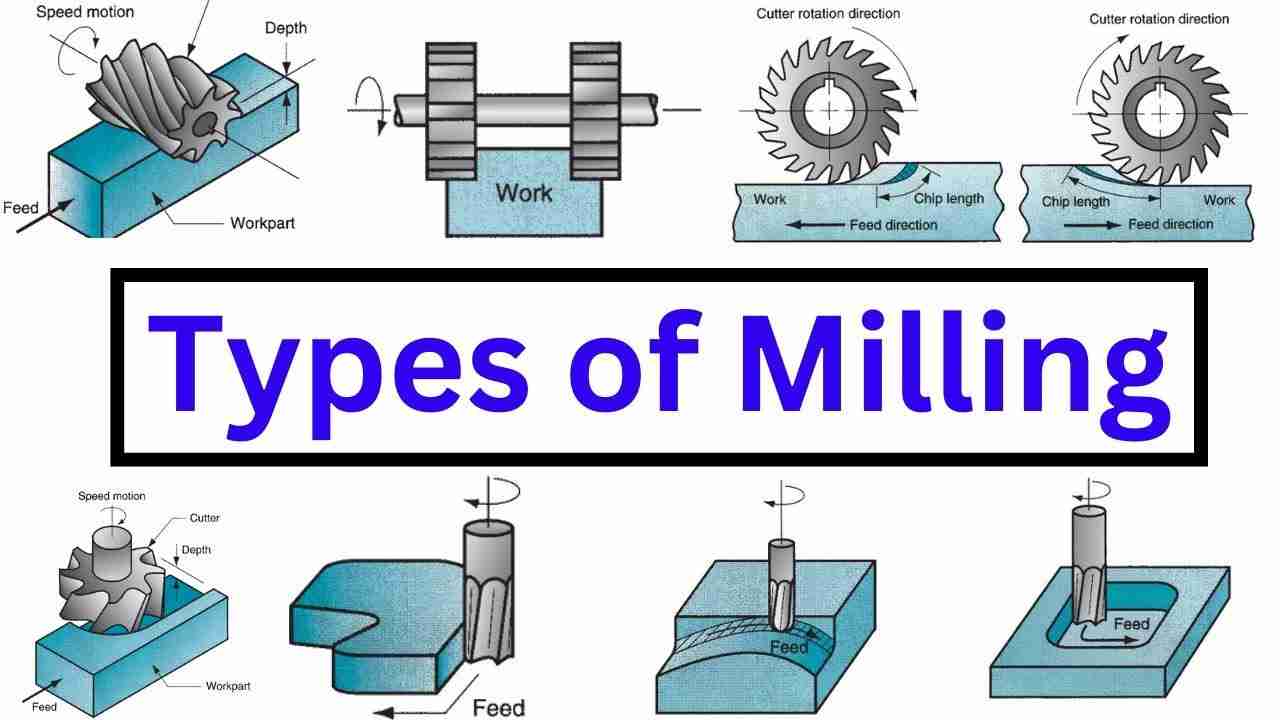
Once cleaned, the corn progresses to the milling phase, where the real magic occurs. Here, different milling techniques can be employed to achieve various consistencies, ranging from coarse to finely ground cornmeal. The process involves:
- Grinding: Corn kernels are passed through a series of grinding stones or rollers to break them down.
- Sifting: After grinding, the cornmeal is sifted to separate finer particles from the coarser ones.
- Packaging: The final product is packaged for distribution, ready to make its way to kitchens and pantries.
| Step | Description |
|---|---|
| Harvesting | Collecting matured corn cobs from the fields. |
| Removing Kernels | Detaching kernels from the cob, either manually or mechanically. |
| Cleaning | Ensuring kernels are free of dirt and debris. |
| Milling | Grinding kernels into varying textures of cornmeal. |

Culinary Applications: How to Incorporate Cornmeal into Your Kitchen
Cornmeal serves as a versatile ingredient that can elevate a variety of dishes, unlocking new flavors and textures in your kitchen. One of the most delightful ways to use cornmeal is in classic cornbread. By mixing the cornmeal with flour, baking powder, and buttermilk, you can produce a moist and crumbly bread that pairs beautifully with hearty stews or is simply enjoyed with a pat of butter. Beyond cornbread, cornmeal can also be used to create crispy coatings for fried foods. Just coat your chicken or fish in cornmeal for a crunchy exterior and a tender interior that amplifies the dish’s appeal.
For a twist on traditional pasta, consider using cornmeal to make polenta. Cooked in broth and topped with fresh herbs, polenta can serve as a delicious base for sautéed vegetables or a sauce of your choice. Alternatively, for an innovative dessert, you can whip up a cornmeal cake infused with lemon zest, resulting in a moist and aromatic treat that surprises with each bite. Here’s a quick reference table to inspire your culinary journey with cornmeal:
| Dish | Main Ingredients | Cooking Method |
|---|---|---|
| Cornbread | Cornmeal, flour, buttermilk, eggs | Bake |
| Crispy Coating | Cornmeal, spices, protein of choice | Fry |
| Polenta | Cornmeal, broth, butter | Simmer |
| Cornmeal Cake | Cornmeal, flour, sugar, lemon zest | Bake |
Insights and Conclusions
As we conclude our exploration of the fascinating journey from cob to cornmeal, it becomes evident that this humble grain is much more than a mere staple in our diets. It embodies a rich tapestry of history, culture, and innovation. The transformation of corn—from its harvest on sun-soaked fields to its myriad uses in kitchens around the world—serves as a testament to human ingenuity and the deep-rooted connection we share with the land.
In every step of the processing chain, from the rhythmic whir of the mill to the delicate dance of culinary creation, corn speaks to our shared love for sustenance and creativity. It reminds us of the generations that have cultivated, processed, and enjoyed this versatile grain, evolving alongside technologies and tastes.
As we savor the comforting taste of cornbread or the crunch of popcorn, let us appreciate the journey that brought these simple pleasures to our tables. Each bite carries the essence of the earth’s bounty, whispering stories of the farmers who nurture it and the artisans who craft it. So, the next time you find yourself reaching for cornmeal in your pantry, take a moment to reflect on the remarkable journey of this golden grain—it’s a journey that continues to unfold, inviting us to discover new ways to enjoy its rich heritage.




