
In the heart of agriculture lies a humble grain that has nourished civilizations for centuries: corn. From its vibrant golden cobs swaying in sunlit fields to the fine, versatile dust of cornmeal, this ubiquitous staple embodies a rich tapestry of culinary and cultural significance. “From Cob to Cornmeal: Exploring the Art of Corn Processing” invites readers on a journey through the multifaceted world of corn, where ancient techniques meet modern innovations. As we peel back the layers of this storied grain, we’ll discover not just the methods of processing, but the stories and traditions that have woven corn into the fabric of daily life across diverse communities. Join us as we delve into the time-honored practices, the science of transformation, and the artful creations that emerge, reminding us that from the fields to our tables, corn is much more than just a crop—it’s a canvas for creativity and sustenance.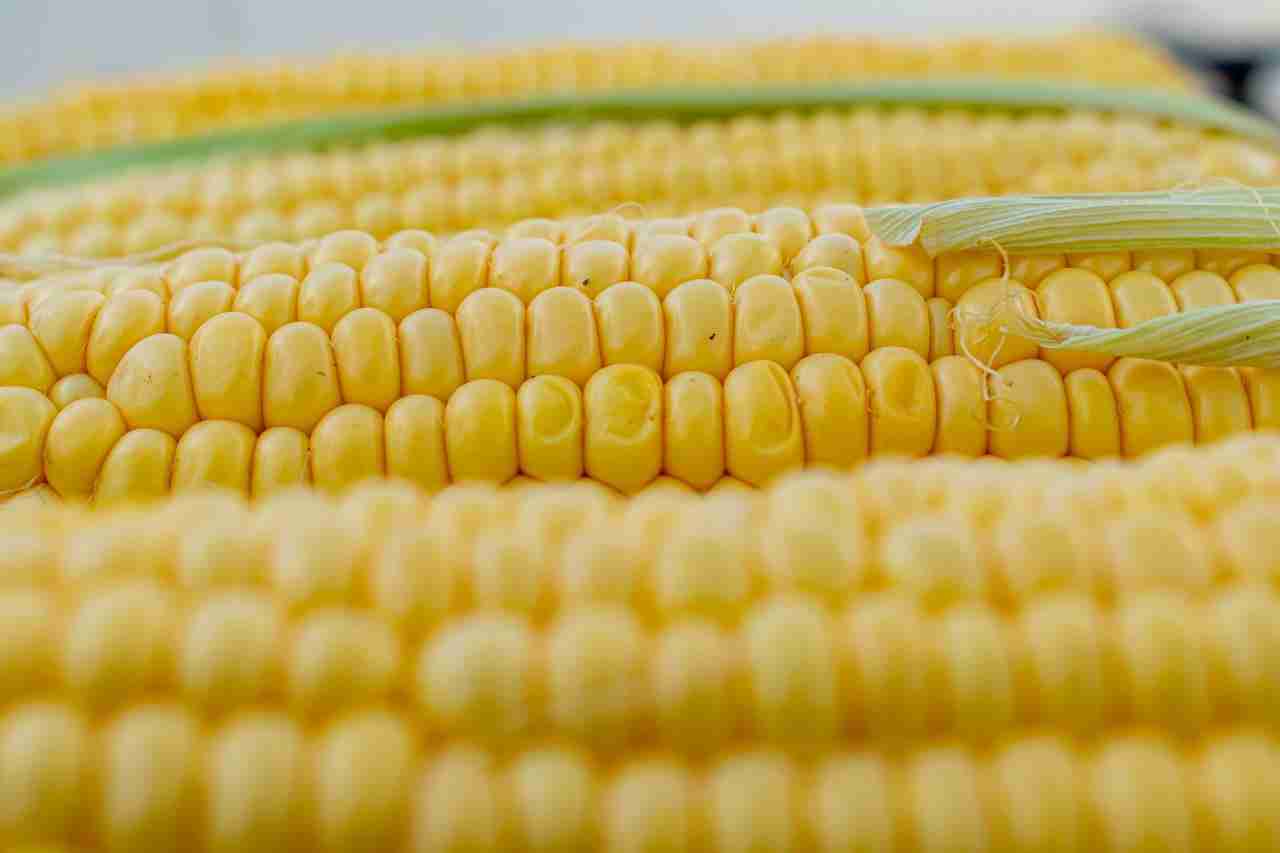
The Journey from Cob to Flour: Understanding Corns Lifecycle
The journey from a vibrant corn cob to finely milled flour is a fascinating transformation that combines agricultural expertise and culinary tradition. Initially, the corn plant thrives in fields, soaking up the sun and drawing nourishment from the soil. Once the ears of corn mature, they are harvested, revealing the succulent kernels nestled within their protective husks. Each kernel is a product of precise weather conditions, soil quality, and care from conscientious farmers. This stage sets the foundation for the next steps, enriching the journey with natural flavors and essential nutrients.
Once harvested, the corn undergoes a meticulous drying and milling process. Drying the corn is crucial, as it reduces moisture content, facilitating storage and preventing spoilage. The dried kernels are then carefully shelled from their cobs before being sent to the mill. At this stage, the kernels may be processed into various forms, such as cornmeal, corn flour, or grits, depending on the desired end product. Typically, the process includes:
- Shelling: Removing the husks from the corn cobs
- Drying: Lowering moisture levels for preservation
- Milling: Grinding the dried kernels into flour
The final outcome is a versatile ingredient that plays a vital role in many cuisines around the world. A straightforward comparison of different milling methods can be illustrated in the following table, showcasing how they affect the texture and usage of the final corn product:
| Milling Method | Texture | Common Uses |
|---|---|---|
| Coarse | Chunky, gritty | Polenta, cornbread |
| Medium | Uniform, slightly gritty | Fritters, batter |
| Fine | Smooth, powdery | Baking, sauces |
Understanding this intricate process not only illuminates the culinary delights of corn but also highlights the skill and care involved in bringing this staple from farm to table.
Techniques of Traditional Corn Processing: Crafting a Culinary Staple
Traditional corn processing is an intricate dance between nature and human ingenuity, where every step converts raw maize into a versatile culinary staple. The journey typically begins with selecting the right variety of corn, often dependent on regional preferences and uses—be it sweet corn for dishes or dent corn for meal. Following this selection, the cobs are harvested, dried, and shelled. This process not only preserves the kernels but also concentrates their flavors, setting the stage for what is to come. Once shelled, the grains may undergo further treatments such as soaking and nixtamalization, a centuries-old method that enhances the nutritional value and flavor by using an alkaline solution, usually lime or ash.
Once the nixtamalization is complete, the kernels are ready to be ground into meal or flour, taking on a texture that ranges from coarse to fine based on culinary needs. Traditional stone grinding methods maintain the integrity of the kernel and contribute to a nuanced flavor profile that mechanized methods often overlook. In addition to grinding, corn can be processed into various forms, including tortillas, polenta, or cornbread, showcasing its adaptability in a myriad of dishes. Below is a table that highlights these common forms of processed corn and their uses:
| Form of Corn | Common Uses |
|---|---|
| Tortillas | Wraps for tacos or enchiladas |
| Polenta | Side dish or base for meats |
| Cornbread | Complement to soups or stews |
| Cornmeal | Breading, porridge, or baked goods |
Nutritional Insights: The Benefits of Freshly Ground Cornmeal
Freshly ground cornmeal is a treasure trove of nutrients, making it an exceptional addition to your diet. This vibrant ingredient is packed with essential vitamins and minerals that contribute to overall health. Not only does cornmeal provide a good source of carbohydrates, but it also contains important B vitamins, such as thiamine, niacin, and folate, which are necessary for energy production and metabolic function. Additionally, it’s rich in antioxidants, including zeaxanthin and lutein, which support eye health and may help reduce the risk of degenerative diseases.
One of the remarkable benefits of freshly ground cornmeal lies in its fiber content, which aids digestion and contributes to feelings of fullness, helping with weight management. Unlike refined cornmeal, freshly ground varieties retain the germ and hull, maximizing their nutritional value. Incorporating this wholesome ingredient into your meals can lead to various culinary delights, from cornbread to polenta, each dish offering a delightful taste along with the nourishing properties of corn. Here’s a simple comparison of whole cornmeal versus refined cornmeal:
| Feature | Whole Cornmeal | Refined Cornmeal |
|---|---|---|
| Fiber | High | Low |
| Vitamins | Rich in B vitamins | Poor |
| Antioxidants | Present | Limited |
| Flavor | Nutty and robust | Milder |

Farm to Table: Sourcing Quality Corn for Optimal Results
Sourcing quality corn involves understanding the nuances of location, variety, and cultivation practices. When farmers choose to grow heirloom varieties, they tap into a rich historical tapestry, ensuring that the flavor of their corn is preserved and celebrated. This means being aware of factors such as soil health, climate, and even local pest management strategies. The sweetness and texture of corn can fluctuate dramatically based on these aspects, making them critical for producers aiming for superior quality. As such, it’s essential to engage with local farms that practice sustainable agriculture—farms that prioritize organic methods and the environment. By establishing direct relationships with growers, processors can guarantee their corn is not just any corn but the very best available.
Once harvested, the journey of corn doesn’t end; rather, it transforms into various products through thoughtful processing. Aiming for optimal results encompasses the perfect drying techniques and milling processes that unlock the corn’s full potential. Key factors in this transformation include:
- Moisture Content: Ideally, corn should be dried to a specific moisture level to prevent spoilage.
- Milling Method: Whether using stone-ground or roller milling methods, each imparts unique flavor profiles and textures.
- Storage Conditions: Proper storage is essential to maintain freshness and prevent contamination.
The attention to detail in each step from field to mill not only preserves the integrity of the corn but also enhances the final products like cornmeal and polenta. Understanding this process enables producers to provide kitchen artisans with ingredients that inspire and elevate culinary creations, ensuring that the vibrant tastes of farm-fresh corn are savored by all.
In Retrospect
As we reach the conclusion of our journey through the transformative world of corn processing, it becomes clear that this humble grain is far more than just a staple food. From the rustic charm of traditional cob milling to the innovative techniques employed in modern production, the evolution of corn reflects not only agricultural ingenuity but also the rich cultural tapestry woven around it.
Each stage of processing, whether it be stone grinding for artisanal cornmeal or the vast grains processed on an industrial scale, reveals the dedication and craftsmanship of those who embrace the art of corn. As we savor the flavors that emerge from these age-old practices, we gain a deeper appreciation for the labor, creativity, and history that fill our plates.
So, the next time you bite into a cornbread muffin or sprinkle cornmeal into your favorite recipe, take a moment to reflect on the journey from cob to cornmeal—a process that connects us to the land, our heritage, and the endless possibilities of this versatile grain. In every kernel lies a story waiting to be told.




