
From Cob to Core: The Journey of Corn Processing
Corn, a staple that has shaped diets and economies for centuries, is often taken for granted in its myriad forms. From the golden fields where it sways in the breeze to the bustling kitchens and factories that bring it to life, corn is far more than just a size of cob on a dinner plate. Its journey from field to fork is a fascinating tale of transformation and innovation. In this article, we will delve into the intricate processes that turn harvested corn into a versatile ingredient, exploring the traditional practices and modern technologies that define corn processing. Join us as we unravel the lifecycle of this remarkable grain—from its rustic roots to the refined products that make their way into our homes and products, shaping culinary traditions around the world. Discover how each stage of processing not only enhances the corn’s utility but also reflects the ingenuity and adaptability of those who work with this age-old grain.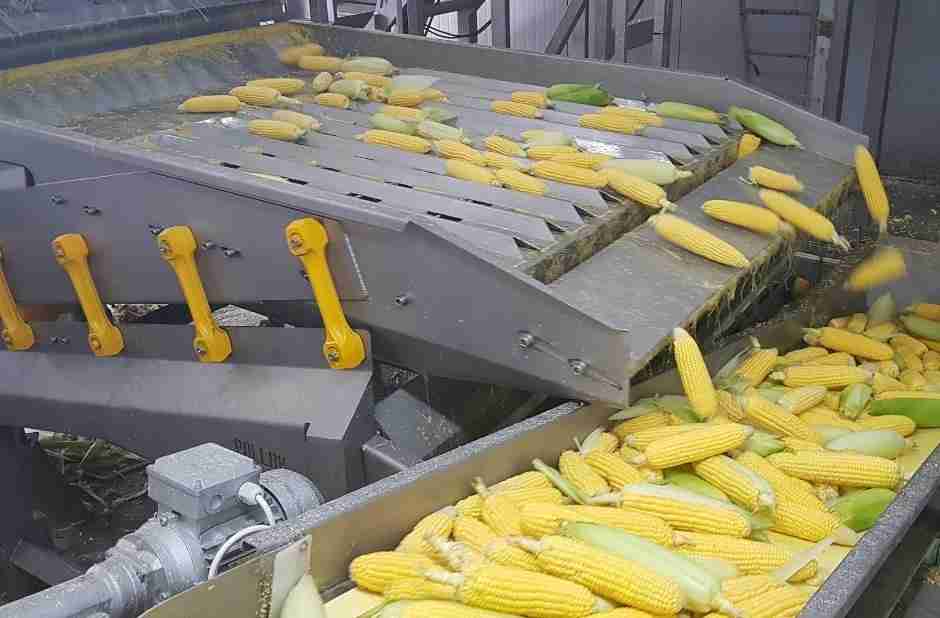
Exploring the Stages of Corn Processing: From Field to Finished Product
Corn processing begins with the labor-intensive journey from the field, where each corn ear is carefully nurtured under the sun. Once harvested, the cobs are transported to processing facilities. Here, the corn undergoes initial cleaning to remove debris, stems, and other impurities. This stage is crucial as it ensures that only the best quality corn makes its way to the next phases. The processing can then further divide into several steps:
- Shelling: The kernels are separated from the cob, a vital step to ensure maximum yield.
- Drying: Moisture levels are reduced to enhance storage life and prevent spoilage.
- Grinding: The dried kernels are ground into various textures depending on the intended product, from coarse meal to finely ground flour.
Once processed, the kernels or cornmeal can be transformed into a variety of products, reflecting the versatility of corn as an ingredient. From cornstarch to corn syrup, the culinary applications are vast, making corn a staple in various diets worldwide. The table below summarizes some of the popular corn-based products and their uses:
| Product | Use |
|---|---|
| Cornmeal | Baking, bread, and pancakes |
| Cornstarch | Thickening agent for sauces and puddings |
| Corn syrup | Sweetener in confections and beverages |
| Animal feed | Nutritive component in livestock diets |
Unveiling Nutritional Benefits: Why Corn Processing Matters
Understanding the nutritional benefits of corn requires delving into the intricacies of its processing methods. Each stage of processing—from harvesting to milling—plays a pivotal role in enhancing the nutritional profile of corn-based products. During dry milling, the corn kernel is separated into its fundamental components: germ, endosperm, and bran. This separation not only makes it easier to use these components for various purposes but also allows for the creation of enriching by-products such as corn oil, hominy grits, and cornmeal. These substances provide essential nutrients, including protein, fiber, and healthy fats, making them valuable additions to a balanced diet.
The versatility of corn processing also enables the production of fortified products, enhancing their health benefits. For instance, by fortifying corn flour with vitamins and minerals, manufacturers can contribute to addressing nutritional deficiencies in various populations. Moreover, the fermentation process used in producing corn-based beverages like tepache or chicha not only amplifies flavor but also increases digestibility and the bioavailability of nutrients. As a result, processed corn can offer an excellent source of:
| Benefit | Nutritional Component |
|---|---|
| Dietary Fiber | Makes up a significant portion of corn’s bran layer, promoting digestive health. |
| Complex Carbohydrates | Provides sustained energy and is essential for a balanced diet. |
| Vitamins | Rich in B vitamins, particularly B6 and niacin, aiding metabolism. |
| Antioxidants | Contains lutein and zeaxanthin, which are beneficial for eye health. |

Sustainable Practices in Corn Processing: Innovations for a Greener Future
In the intricate journey of corn processing, sustainable practices are emerging as pivotal innovations that not only enhance efficiency but also minimize environmental impact. The industry is evolving to embrace techniques that prioritize sustainability at every step, from cultivation to end-use. Water-efficient irrigation systems and organic farming practices are becoming standard, significantly reducing resource consumption. Additionally, the use of biodegradable packaging derived from corn by-products is gaining traction, contributing to a circular economy. This shift is paving the way for innovations that focus on reducing waste and promoting renewable materials.
Moreover, new technologies are harnessing the power of biogas production from corn waste, transforming leftovers into clean energy sources. Innovative enzymatic processes are redefining how corn is transformed, allowing for fewer chemicals and lower energy requirements in manufacturing. Stakeholders are collaborating to invest in research and development, emphasizing eco-friendly alternatives and fostering partnerships that champion sustainability. Through these initiatives, the corn processing industry is not only addressing the demand for greener operations but also setting a precedent for a more responsible approach to food production.

Maximizing Efficiency: Techniques and Technologies in Modern Corn Processing
The landscape of corn processing has evolved significantly, leveraging advances in both techniques and technologies to enhance productivity and quality. One approach gaining traction is the integration of automated machinery in various stages of processing. This automation allows for rapid peeling, husking, and kernel separation, thus minimizing labor costs and reducing the risk of human error. Additionally, the implementation of smart sensors further streamlines operations by monitoring moisture levels, temperature, and other critical variables in real-time, enabling producers to adjust parameters instantaneously. As a result, processors can maintain optimal conditions throughout the journey from cob to core, ensuring that the finished product meets rigorous quality standards.
Furthermore, sustainable practices are becoming more common as processors look to reduce their environmental footprint. By utilizing biomass energy generated from corn byproducts, processors can power their operations while minimizing waste. Innovations in separation technologies, like high-efficiency milling, allow for greater extraction of starch and other valuable components, maximizing yield and reducing resource consumption. The combination of these cutting-edge strategies not only boosts efficiency but also positions corn processors at the forefront of sustainable agriculture.
| Technique/Technology | Benefits |
|---|---|
| Automated Machinery | Increased speed and reduced labor costs |
| Smart Sensors | Real-time monitoring for optimal processing conditions |
| Biomass Energy | Reduces environmental impact, reuses byproducts |
| High-Efficiency Milling | Maximized yield and resource efficiency |
To Conclude
As we conclude our exploration of the journey from cob to core in the intricate world of corn processing, we find ourselves at the intersection of tradition and innovation. Every ear of corn carries with it a rich tapestry of history and potential—an agricultural marvel transformed into a myriad of products that touch our daily lives. From the humble cob to the myriad forms of corn-based ingredients that populate our kitchens and industries, this journey exemplifies humanity’s ability to adapt and innovate.
Whether in the form of corn syrup sweetening our drinks, cornstarch thickening our sauces, or biofuels powering our vehicles, the transformation of corn is a testament to resourcefulness. As we continue to explore sustainable practices and embrace technological advancements, the future of corn processing remains bright, promising even more pathways for this versatile staple.
Thus, we are reminded: every kernel holds a story, and the journey from cob to core is just the beginning. How we nurture and utilize this journey will shape not only our gastronomic experiences but also the broader ecosystem of food production for generations to come. As you reflect on the role of corn in your life, let it inspire a greater appreciation for the intricate processes that connect us all—one cob at a time.




