
From Cob to Commodity: The Journey of Corn Processing
Corn, often hailed as the golden grain of the Americas, has a storied journey that traces back thousands of years. From its humble origins as a wild grass to a staple of modern cuisine and a backbone of global agriculture, this vibrant crop has undergone a remarkable transformation. The once simple cob has metamorphosed into a multifaceted commodity, fueling everything from culinary delights to industrial innovations. In this article, we will explore the intricate processes behind corn’s remarkable journey—from the fields where it thrives, to the processing techniques that unlock its vast potential, and to the myriad roles it plays in our daily lives. Join us as we delve into the fascinating world of corn, unveiling the steps that elevate it from mere cob to a global commodity.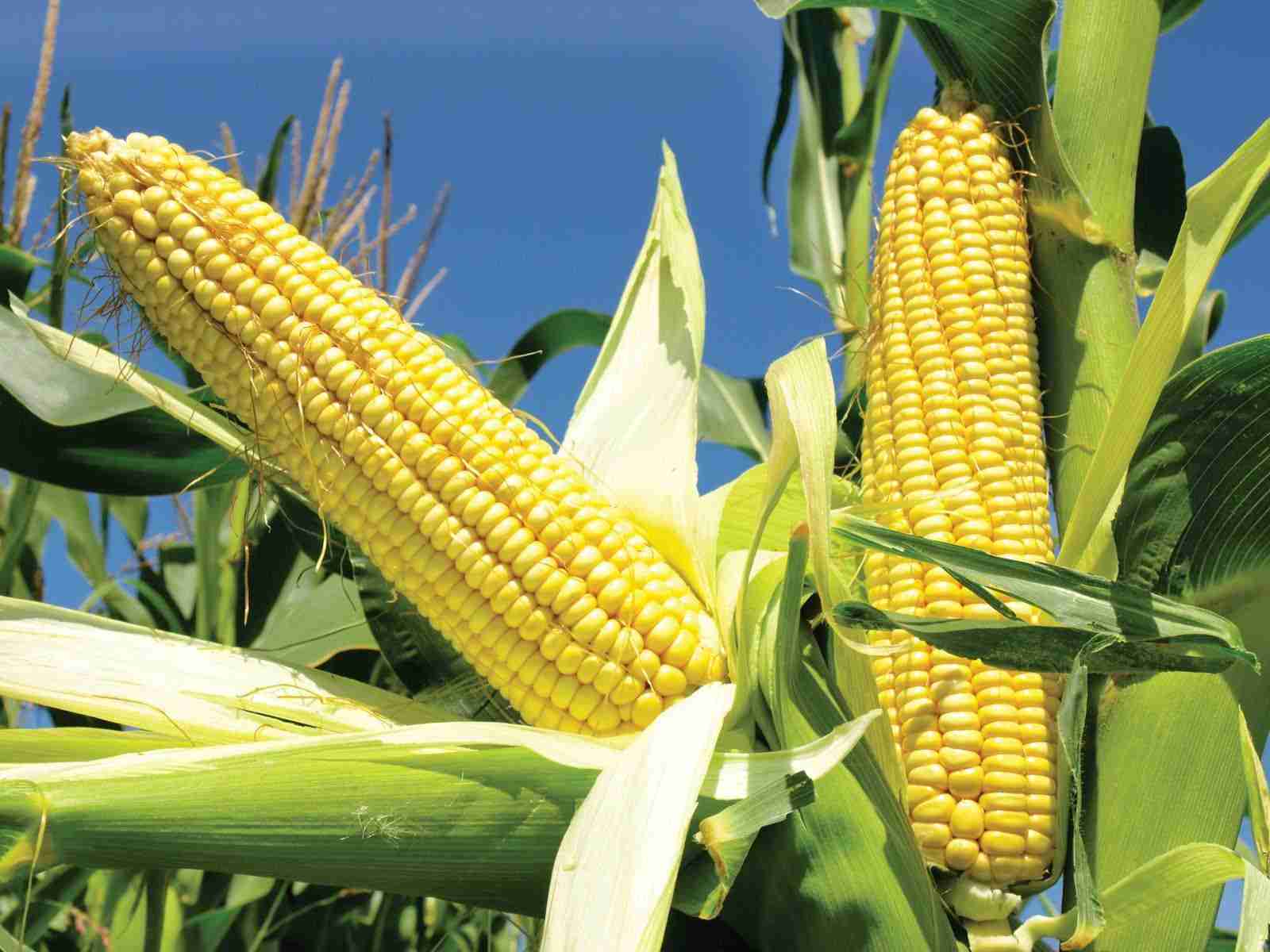
The Evolution of Corn: From Ancient Staple to Modern Process
The journey of corn began thousands of years ago when ancient civilizations in Mesoamerica first cultivated the plant. Harnessing its rich nutritional value, these early agriculturalists transformed corn from a wild grass into a vital food source, celebrated not only for its versatility but also for its ability to sustain large populations. As domestication progressed, different varieties emerged, each adapted to specific climates and local customs. The early methods of processing included simple techniques such as drying and grinding, which laid the foundation for the myriad uses we now take for granted, from cornmeal to masa used in tortillas.
As we moved into the industry-driven 20th century, corn underwent a remarkable transformation, evolving from a local staple into a global commodity. The advent of mechanization redefined corn production, allowing for mass cultivation and harvest, while advances in scientific research led to the development of hybrid strains that increased yield and disease resistance. Today, corn is processed in various ways, resulting in a vast array of products that contribute to multiple sectors, including food manufacturing, biofuels, and even pharmaceuticals. The infographic below highlights the major processes in modern corn processing:
| Process | Common Products |
|---|---|
| Wet Milling | High Fructose Corn Syrup, Corn Oil |
| Dry Milling | Cornmeal, Grits, Ethanol |
| Fermentation | Alcohol, Distilled Spirits |
| Extrusion | Snack Foods, Breakfast Cereals |
As corn processing continues to evolve with innovations in technology and sustainability practices, the world remains captivated by the remarkable adaptability of this crop. By embracing both tradition and modernity, the legacy of corn—bridging the past with the future—continues to shape our global culinary landscape and agricultural economy.
Understanding the Corn Processing Techniques: A Comprehensive Overview
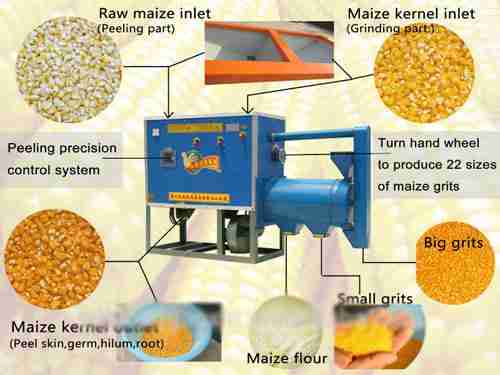
Corn processing involves various techniques that transform the humble cob into versatile commodities used in a multitude of industries. The journey begins with harvesting, where kernels are separated from the cob through mechanical or manual methods. Once harvested, the kernels can be subjected to several processing methods, each tailored to utilize the corn’s unique properties.
Some prevalent processing techniques include:
- Dry Milling: This process involves grinding the kernels into flour, meal, or grits, predominantly used in baking and brewing.
- Wet Milling: Here, the corn is soaked and then ground into a slurry, allowing for the extraction of valuable components like starch and gluten.
- Nixtamalization: An ancient method where corn is treated with alkaline solutions, enhancing flavor and nutrition, primarily used for tortillas.
- Extrusion: Corn is cooked and forced through a die to create snacks, cereals, or animal feed, making it an exciting and dynamic process.
| Processing Technique | Common Uses | Key Benefits |
|---|---|---|
| Dry Milling | Flour, Grits, Ethanol | Enhanced texture, flavor |
| Wet Milling | Starches, Sweeteners | Higher yield, versatility |
| Nixtamalization | Tortillas, Tamales | Improved nutrition, taste |
| Extrusion | Snacks, Cereals | Unique shapes, flavors |
These diverse techniques play a vital role in how corn is utilized across various sectors, from food production to industrial applications, making corn one of the most valuable crops globally. Each method also incorporates innovations and adaptations to meet changing consumer demands and sustainability goals, ensuring corn’s relevance in the market.
Impacts on Nutrition and Sustainability: Rethinking Corns Role in Our Diet
The role of corn within our food systems and diets has evolved dramatically over the years, raising essential questions about its impact on both nutrition and sustainability. While corn serves as a vital energy source, its nutritional profile is often overshadowed by the booming processed forms, which can lead to a reliance on less nutritious options. The transformation from fresh cob to processed products introduces a pressing need to reassess how we perceive corn’s value in our daily consumption. Key considerations include:
- Processed Versus Whole: Whole corn and its derivatives like cornmeal and popcorn offer dietary fiber and essential nutrients, while heavily processed varieties can be stripped of these benefits.
- Monoculture Concerns: The industrial farming practices often associated with corn production may contribute to reduced biodiversity and soil degradation, posing long-term risks to food security.
- Environmental Footprint: The resource-intensive farming methods for corn, including high water usage and reliance on chemical fertilizers, raise sustainability concerns.
To foster a more balanced approach, rethinking corn’s integration into our diets involves promoting sustainable practices and diverse culinary applications. For instance, incorporating locally grown corn varieties could not only enhance nutritional diversity but also bolster local economies and environmental sustainability. An ideal strategy might involve:
| Strategy | Impact |
|---|---|
| Encouraging Whole Corn Consumption | Higher fiber intake and nutrient retention. |
| Supporting Local Farmers | Reduced carbon footprint and improved food systems. |
| Diverse Crop Rotation | Enhanced soil health and biodiversity. |
By embracing these approaches, we can begin to shift our reliance on corn from merely a commodity to a pivotal component of a healthier and more sustainable diet, effectively harnessing its potential while minimizing adverse effects on our planet.

Maximizing Efficiency: Recommendations for Optimizing Corn Processing Operations
To enhance productivity within corn processing operations, adopting a range of techniques can lead to significant results. Implementing advanced technologies is crucial. Consider investing in automation systems that streamline the workflow, minimize manual labor, and reduce human error. Additionally, integrating data analytics tools can provide insights into process efficiencies, helping to identify bottlenecks and areas for improvement. This capability ensures that decisions are informed by actual performance data rather than gut feelings.
Another effective approach involves optimizing resource management. By focusing on energy conservation and waste reduction, operations can lower costs while maintaining output quality. Regular training sessions for staff in both process optimization and safety measures can foster a culture of continuous improvement. A preventive maintenance program for machinery should also be established to ensure that equipment runs smoothly, thereby reducing downtime. Below is a table highlighting key practices for maximizing efficiency:
| Practice | Benefit |
|---|---|
| Automation Systems | Reduces labor costs, increases speed |
| Data Analytics | Enhances decision-making with real-time insights |
| Energy Conservation | Lower operating expenses |
| Waste Reduction | Improves sustainability and reduces costs |
| Staff Training | Increases productivity and safety |
| Preventive Maintenance | Reduces equipment downtime |
In Retrospect
As we draw the curtains on our exploration of corn’s remarkable transformation from humble cob to celebrated commodity, we are reminded of the intricate tapestry woven by this versatile crop. What began as a staple of indigenous cultures has evolved into a global powerhouse, impacting economies, diets, and agricultural practices around the world.
The journey of corn processing not only highlights innovative techniques and technological advancements but also underscores the stories of countless individuals who have dedicated their lives to nurturing this vital resource. From the fields where it flourishes to the processing plants where it is meticulously transformed, corn’s trajectory is a reflection of our growing understanding of sustainability and efficiency in a world grappling with population growth and climate change.
As we look to the future, we must consider how this journey will continue. Will we harness corn’s potential further, or will it challenge us to rethink our reliance on monocultures? The questions raised by this journey are as vast as the fields of corn themselves. One thing is certain: the legacy of corn as a commodity will persist, inviting us to engage with it not only as a source of nourishment but also as a pivotal player in the symphony of global agriculture. As we close this chapter, we invite readers to reflect on the role corn will play in shaping our future and the paths we might take to cultivate a more sustainable relationship with this ancient grain.




