
In an era where the fusion of tradition and technology shapes our culinary landscape, maize milling stands as a testament to the art and science interwoven in agricultural practices. For centuries, maize, also known as corn, has been more than just a staple grain; it has been the backbone of countless cultures, nourishing communities and inspiring cuisines worldwide. Today, the process of maize milling is undergoing a transformation, driven by advancements in machinery, a deeper understanding of grain properties, and a growing emphasis on sustainability. This article delves into the intricacies of maize milling, exploring both its historical significance and the innovative techniques that are redefining the industry today. Join us as we navigate the symbiotic relationship between art and science in the world of maize milling, illuminating the journey from field to flour and the myriad possibilities that arise from this humble grain.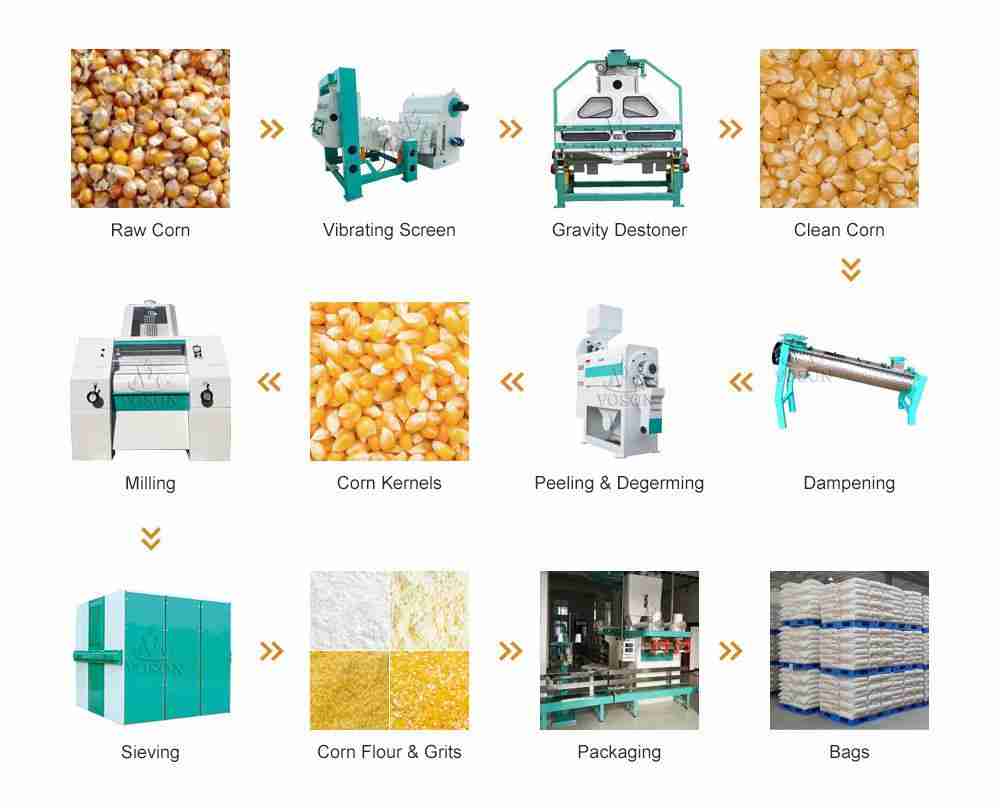
The Evolution of Maize Milling Techniques in Modern Agriculture
The journey of maize milling has undergone remarkable transformations, reflecting advancements in technology and an increased understanding of agronomy. Historically, traditional methods relied on manual labor and simple tools, such as stone mills, which were labor-intensive and time-consuming. However, as industrialization took hold, the emergence of mechanized milling techniques revolutionized the process. Modern maize mills utilize high-capacity machinery that can efficiently produce flour with precise control over texture and quality, significantly reducing processing time and labor costs. The integration of automation and data analytics further enhances the production process, enabling farmers to monitor yields and optimize milling based on real-time data.
Contemporary maize milling also emphasizes sustainability and efficiency, aligning with modern agricultural practices. Key innovations include the use of energy-efficient machines that minimize the carbon footprint associated with milling and waste management systems that repurpose by-products. The evolution has also seen the incorporation of food safety measures and quality assurance protocols that ensure that the final product meets stringent health standards. This progressive shift not only underscores a commitment to quality and safety but also offers a glimpse into the future of milling techniques, where biotechnology and smart farming practices intersect with traditional methods, leading to even more refined and sustainable approaches.

Nutritional Insights: The Impact of Milling Methods on Maize Quality
The journey from field to flour is more intricate than one may assume, particularly when considering the myriad of milling methods used in the processing of maize. Various techniques, such as dry milling, wet milling, and stone milling, have distinct effects on the quality and nutritional profile of the final product. Dry milling, for example, minimizes moisture content and generally retains more of the grain’s intrinsic flavor and aroma, but might sacrifice some nutrient content in the process. In contrast, wet milling involves soaking the maize before grinding, which can enhance the extraction of starch, protein, and fiber, ultimately resulting in a higher-quality product but requiring careful management to avoid losing essential nutrients.
Moreover, the choice of milling equipment plays a pivotal role in determining the end quality of maize products. Traditional stone mills are celebrated for preserving the grain’s nutrient profile while imparting a distinct taste, perfect for artisanal products. On the other hand, modern hammer mills and roller mills offer efficiency and uniformity in texture, which may appeal to commercial producers. Here’s a quick comparison of some common milling methods:
| Milling Method | Nutritional Retention | Texture | Flavor Profile |
|---|---|---|---|
| Dry Milling | Moderate | Coarse | Natural Grain Flavor |
| Wet Milling | High | Smooth | Mild, Starchy |
| Stone Milling | High | Variable | Robust, Earthy |
| Hammer Milling | Low | Fine | Neutral |
Ultimately, the milling process not only transforms the physical form of maize but also shapes its nutritional value, making informed choices pivotal for producers and consumers alike. Each milling method offers a unique blend of advantages and trade-offs, ultimately influencing everything from baking and cooking to nutritional outcomes in the diets of individuals and communities. The art and science of maize milling continue to evolve, offering exciting possibilities while nurturing a deeper respect for this ancient grain.

Sustainability Practices: Reducing Waste in the Milling Process
In the quest for sustainable practices, maize milling operations are evolving to significantly reduce waste during production. One of the primary methods employed is the implementation of closed-loop systems which recycle by-products such as husks and bran back into the milling process. This not only minimizes waste going to landfills but also enhances the efficiency of resource use. Additionally, the integration of advanced technologies like sensor-based controls and predictive maintenance ensures that machinery operates at optimal levels, significantly decreasing the incidence of waste generation due to malfunction or unnecessary down-time.
Moreover, mills are increasingly opting for eco-friendly packaging solutions to address waste at the distribution end. By utilizing biodegradable materials, companies are able to reduce their carbon footprint and promote sustainability throughout the supply chain. In conjunction with these practices, mills are distributing education programs aimed at both employees and consumers to raise awareness about the importance of sustainability in food production. Key initiatives include:
- Community outreach to foster local partnerships.
- Worker training focused on efficient waste management techniques.
- Collaborative efforts with farmers to optimize resource input.

Innovations in Technology: Enhancing Efficiency and Flavor in Maize Products
Recent advancements in technology have ushered in a new era for maize milling, significantly enhancing both the efficiency of production processes and the flavors of the final products. The integration of automation and artificial intelligence in milling operations not only streamlines workflows but also ensures consistent quality. Key innovations include:
- Precision Milling Technologies: Automated systems analyze grain characteristics and adjust milling parameters in real-time.
- Enhanced Sorting Mechanisms: Optical sorting technology increases purity by effectively removing impurities and non-grain elements.
- Flavor Profiling Tools: Analytical instruments assess aromatic compounds, allowing millers to tailor products for specific culinary applications.
The sustainability aspect also plays a crucial role in modern maize milling. Implementing energy-efficient machinery reduces operational costs and minimizes environmental impact while aiding in the preservation of flavor integrity. The synergy between traditional techniques and cutting-edge innovations has resulted in products that not only meet consumer demands but also enhance the culinary experience. Consider the following benefits derived from these technological improvements:
| Benefit | Description |
|---|---|
| Increased Output | Automation reduces processing time, significantly boosting production rates. |
| Quality Assurance | Real-time monitoring ensures consistency in flavor and texture across batches. |
| Reduced Waste | Sophisticated cleaning mechanisms minimize loss of grain and improve yield. |
Closing Remarks
As we draw our exploration of maize milling to a close, it becomes clear that this age-old practice is much more than a routine agricultural process; it is a harmonious blend of art and science that has evolved through the ages. From the rhythmic sound of grinding stones in ancient villages to the hum of modern machinery in state-of-the-art facilities, maize milling encapsulates a rich tapestry of cultural heritage and technological advancement.
The techniques and technologies highlighted in our journey not only preserve the nutritional value of maize but also cater to the diverse culinary traditions that span the globe. This intricate interplay between innovation and tradition reveals how integral maize is to our diets, economies, and food security.
As we continue to innovate and refine milling processes, let us remain mindful of the importance of sustainable practices that honor both the land and the people who cultivate it. The art and science of maize milling today not only carries with it the knowledge of generations past but also paves the way for a future that respects both heritage and advancement.
In this ever-evolving landscape, we invite you to ponder how the grains of yesterday can inspire the creations of tomorrow, ensuring that the legacy of maize continues to nourish and connect us across time and space. Thank you for joining us on this enlightening journey through the world of maize milling.




