
In the heart of many cultures, maize stands as a testament to agricultural ingenuity and sustenance. Its transformative journey from ear to flour is a fascinating intersection of art and science, where traditional methods meet innovative technology. “Exploring the Art and Science of Maize Milling Processes” delves into the intricate techniques and technologies that have evolved over centuries, shaping the way maize is processed for culinary and industrial purposes. As we unpack the layers of this multifaceted process, we will discover not only the mechanical precision involved in milling but also the cultural narratives that flavor each grain. From age-old practices steeped in heritage to modern advancements pushing the boundaries of efficiency, this exploration invites readers to appreciate the craftsmanship that lies within each kernel of maize. Join us as we navigate the dynamics of this essential process, where the rhythm of machines harmonizes with the timeless traditions of human hands.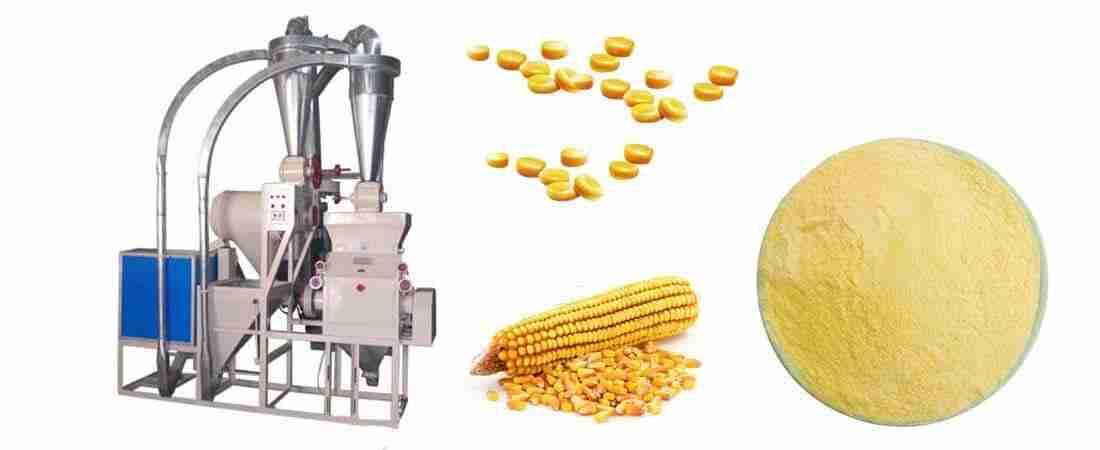
Understanding the Fundamentals of Maize Milling Techniques
At the heart of maize milling lies a series of meticulous techniques designed to transform harvested corn into a variety of usable products. The methods can be broadly classified into two primary types: dry milling and wet milling. Each technique offers unique advantages and processes that cater to different end-products. In dry milling, the kernels are ground into flour or meal, primarily for use in baking and cooking, while wet milling involves soaking the whole kernels to separate starches from fibers, yielding products such as corn syrup, oil, and even the nutritious components of maize itself. These processes reveal the intricate balance between art and science, requiring both precision and adaptability to produce high-quality outcomes.
Key aspects of these milling processes include the choice of machinery, efficiency of operation, and end-product specifications. Important factors to consider are:
- Kernel Moisture Content: Proper moisture levels are crucial for optimal milling efficiency.
- Milling Equipment: The choice between roller mills, hammer mills, or stone mills drastically affects the flour’s texture and quality.
- Particle Size Distribution: Achieving the desired fineness can influence the usability of the final product.
To better understand the distinctions between dry and wet milling, the following table summarizes their core differences:
| Aspect | Dry Milling | Wet Milling |
|---|---|---|
| Process | Grinding without moisture | Soaking followed by grinding |
| End Products | Flour, meal, grits | Starch, syrup, oil |
| Efficiency | Typically faster | More complex and time-consuming |
| Applications | Baking, cooking | Food processing, pharmaceuticals |
By understanding these foundational aspects, one can appreciate the intricate dynamics of maize milling, bringing both culinary delights and industrial applications to life.

Innovations in Equipment: Enhancing Efficiency and Quality
In the realm of maize milling, innovation plays a pivotal role in enhancing both efficiency and product quality. Modern milling equipment incorporates state-of-the-art technology that not only optimizes operational processes but also ensures consistent output that meets the highest safety standards. Some key advancements in this area include:
- Automated Drying Systems: These systems allow for precision moisture adjustment, ensuring that maize is processed under ideal conditions to maintain maximum quality.
- Energy-Efficient Mills: Utilizing advanced motor technology and design principles, these mills significantly reduce energy consumption while maintaining high throughput rates.
- Integrated Quality Control Sensors: Embedded sensors continually monitor grain quality throughout the milling process, allowing for real-time adjustments to maintain optimal standards.
Furthermore, the introduction of intelligent software solutions has transformed how milling operations are managed. With the use of data analytics and machine learning, operators can predict maintenance needs, optimize production schedules, and analyze grain quality trends over time. This shift towards smarter technology not only enhances productivity but also facilitates more sustainable practices in maize milling. Consider the following comparison of traditional versus innovative milling practices:
| Aspect | Traditional Milling | Innovative Milling |
|---|---|---|
| Energy Consumption | Higher | Reduced |
| Grain Quality Monitoring | Manual | Automated Sensors |
| Maintenance Scheduling | Reactive | Predictive |

The Role of Quality Control in the Milling Process
In the intricate ballet of maize milling, quality control serves as both conductor and audience, ensuring that each step of the process aligns perfectly with industry standards and consumer expectations. This pivotal function begins long before the corn kernels meet the grinder; it starts with the selection of raw materials. Factors such as moisture content, kernel integrity, and purity are scrutinized to lay a solid foundation for high-quality end products. By implementing rigorous testing methodologies, milling facilities can thwart potential issues upstream, ensuring that only the finest maize makes its way through the milling process.
As the milling unfolds, quality control measures are meticulously applied at various stages: from grinding to sifting to packaging. Each phase demands attention to detail, with protocols in place including consistent sampling, visual inspections, and laboratory analyses. Moreover, cutting-edge technologies such as spectroscopy and automated sorting systems have revolutionized the pace and accuracy of quality assessments. Below is a snapshot of the key attributes monitored throughout the milling process:
| Stage | Quality Control Focus |
|---|---|
| Raw Material Inspection | Moisture, impurities, kernel size |
| Grinding | Particle size uniformity, heat generation |
| Sifting | Separation of coarse and fine particles |
| Packaging | Sealing integrity, weight accuracy |

Sustainability and Future Trends in Maize Milling Practices
As the world increasingly prioritizes sustainable practices, the maize milling industry is evolving to embrace greener technologies and processes. One of the key trends is the integration of renewable energy sources, such as solar and wind power, into milling operations. This shift not only reduces dependency on fossil fuels but also minimizes the carbon footprint of milling facilities. Additionally, the adoption of energy-efficient machinery is becoming commonplace, enabling mills to produce greater quantities of maize flour while consuming less energy. Alongside these innovations, the utilization of waste byproducts from milling is gaining traction, with many mills repurposing corn husks and bran for animal feed or as organic fertilizers, thus contributing to a circular economy.
Moreover, advancements in technology are shaping the future landscape of maize milling practices. The implementation of smart technology and automation is allowing for enhanced monitoring and control of milling processes, leading to improved product quality and minimized waste. Innovations such as precision milling techniques are also becoming popular, as they enable millers to optimize yield percentages while maintaining nutritional content. To better understand these trends, consider the following table that highlights the top sustainability practices currently being adopted in maize milling:
| Sustainability Practice | Description |
|---|---|
| Renewable Energy Utilization | Incorporating solar and wind energy to power milling operations. |
| Waste Reduction | Repurposing byproducts for feed or fertilizer, reducing overall waste. |
| Smart Technology | Using automated systems for better monitoring and process control. |
| Precision Milling | Optimizing milling processes to enhance yield and preserve nutrients. |
In Retrospect
In closing, the intricate journey of maize from cob to cornerstone of countless culinary creations is a testament to the harmonious blend of art and science inherent in maize milling processes. Each step, from selecting the ideal kernel to finely tuning the machines that grind and sift, reflects the meticulous craftsmanship that elevates this ancient grain into a staple of modern kitchens. By embracing both traditional practices and cutting-edge technology, millers continue to innovate, ensuring that maize retains its vital role in diets across the globe.
As we delve deeper into the nuances of milling, it becomes clear that this process is far more than mere grinding; it is a dance of precision and creativity, a celebration of flavors, and an homage to the generations who have cultivated and cherished maize. Whether it’s the warm aroma of freshly ground cornmeal or the delicate texture of masa, the impact of maize milling resonates in every bite we take.
So, as we turn the page from the rich heritage of maize to its future possibilities, let us appreciate the balance between the artistry of craftsmanship and the rigor of scientific understanding. After all, in every grain lies the potential for innovation and nourishment that sustains both body and culture. Here’s to the journey of maize milling—a process that not only feeds millions but also continuously inspires creativity in culinary traditions worldwide.




