
Introduction:
Corn—a humble grain that has fed civilizations, inspired cultures, and shaped economies—holds within its golden kernels a wealth of secrets waiting to be uncovered. From vibrant fields swaying under the sun to bustling factories echoing with the sounds of machinery, the journey of corn from crop to processed product is a fascinating tale of transformation and innovation. In this article, we delve into the intricate world of corn processing, illuminating the techniques and technologies that take this versatile crop from the farm to the pantry. Join us as we unveil the secrets behind its journey, exploring the science, art, and industry that converge to create a staple that nourishes millions and fuels countless industries worldwide. Whether you are a culinary enthusiast, a curious consumer, or simply someone intrigued by the journey of food, prepare to discover the remarkable path that corn travels and the myriad possibilities it holds.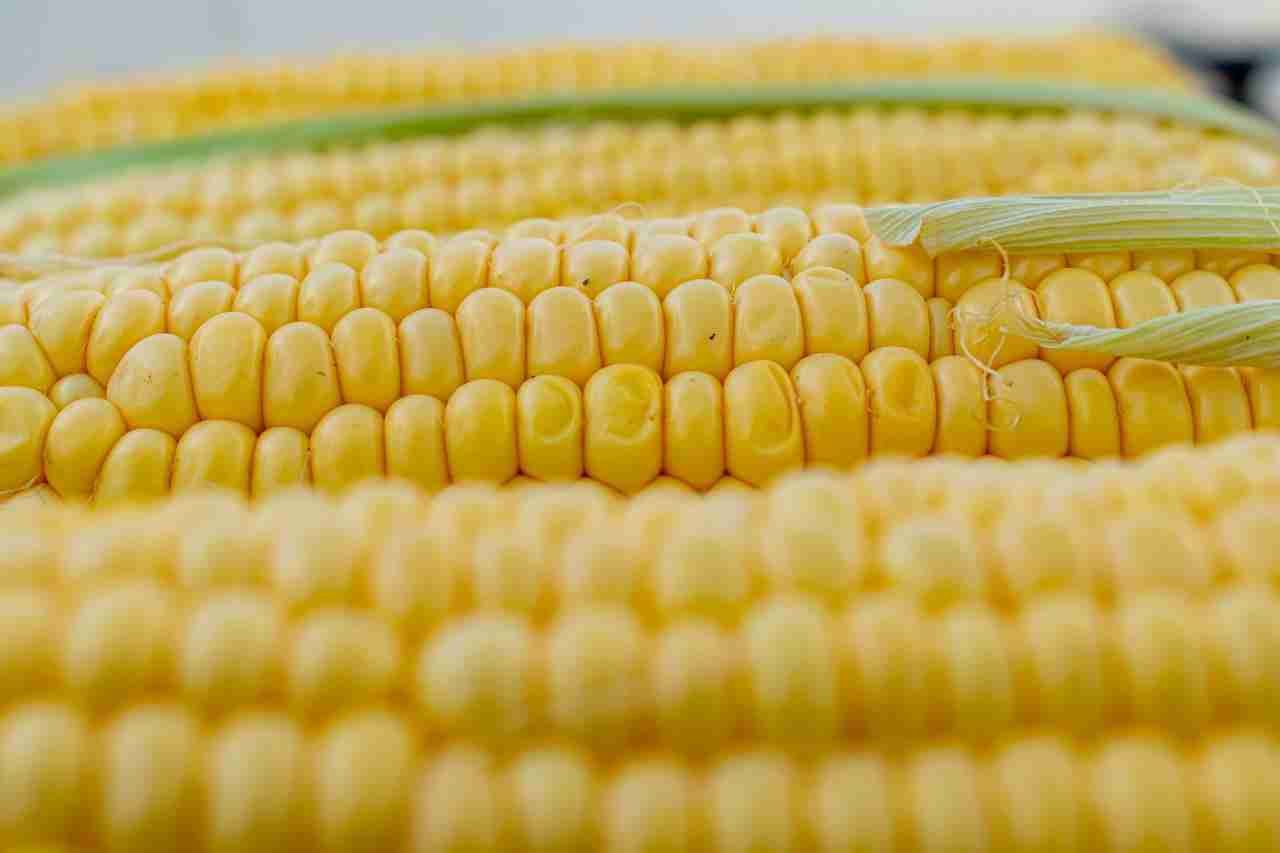
The Journey from Field to Fork: Understanding the Stages of Corn Processing
Every kernel of corn begins its journey in the sun-drenched fields, where dedicated farmers cultivate the golden crop with great care. The first stage of corn processing occurs during harvest, when it is carefully collected and transported to processing facilities. Here, the corn undergoes cleaning and grading, ensuring that only the highest quality kernels are selected for further processing. This stage is crucial as it sets the standard for the product that will eventually grace our tables. The kernels are then dried to a specific moisture content, which is essential for extending shelf life and preventing spoilage. Following this, the corn is either stored for later processing or moved directly to milling, where it can be transformed into a myriad of products, ranging from cornmeal to corn syrup.
As the journey continues, the milling process takes center stage, breaking down the corn into various components. Here are the main outputs from milling:
- Cornmeal: A staple ingredient for baking and cooking.
- Cornstarch: Used as a thickener in numerous culinary applications.
- Corn oil: Extracted for cooking and as a food ingredient.
- Corn syrup: A sweetener used in a variety of food products.
The subsequent steps include further refining, blending, and packaging of these products, which ultimately allows corn to play a versatile role in the food industry. To illustrate the diversity within corn processing, the table below summarizes some of the key corn products and their uses:
| Product Name | Common Uses |
|---|---|
| Cornmeal | Baking, bread-making, polenta |
| Cornstarch | Thickening sauces, puddings |
| Corn oil | Frying, salad dressings |
| Corn syrup | Sweetening candies, baked goods |
As we embrace these various corn-based products, it’s fascinating to recognize that each item has traversed a complex journey from the farm to our forks, showcasing the interconnection between agriculture and our daily lives.

Nutritional Value Unmasked: The Health Benefits of Processed Corn Products
Processed corn products often face scrutiny for their health implications, yet they carry hidden benefits worth acknowledging. Many of these products are fortified with essential vitamins and minerals, enhancing their nutritional profile. Cornmeal, for example, is not just a gluten-free option; it’s rich in fiber, which supports digestive health. Additionally, some processed corn items, such as corn tortillas, can be lower in calories compared to their wheat counterparts, making them a smart choice for those looking to maintain a balanced diet.
Moreover, corn processing often increases the bioavailability of certain nutrients. When corn is nixtamalized, as in the case of masa used for tortillas, it allows the body to absorb calcium and niacin more effectively. This can lead to a range of health benefits, including better bone health and increased energy metabolism. Here’s a quick look at processed corn products and their potential health benefits:
| Processed Corn Product | Health Benefits |
|---|---|
| Popcorn | High in fiber, low in calories when air-popped |
| Corn Syrup | Provides quick energy, less complex than sugar |
| Corn Oil | Rich in polyunsaturated fats, good for heart health |
| Polenta | Gluten-free, high in carbohydrates for energy |

Sustainable Practices in Corn Processing: Innovations for a Greener Future
In recent years, the corn processing industry has undergone a transformative shift towards sustainability, driven by innovation and a commitment to environmental stewardship. Companies are increasingly adopting eco-friendly methods that not only reduce waste but also enhance the efficiency of production processes. Notable advancements in technology have enabled processors to utilize the entire corn plant, minimizing by-products and harnessing every part for beneficial uses. For instance, biogas production from corn husks and cobs is becoming a key practice, allowing for energy generation while reducing landfill contributions. Moreover, water recycling systems are now commonplace, allowing processors to significantly lower their water consumption and impact on local water sources.
Embracing renewable resources is also a critical aspect of modern corn processing. Many facilities are investing in solar and wind energy to power their operations, drastically cutting down on greenhouse gas emissions associated with fossil fuels. In addition, the incorporation of biodegradable packaging for corn products not only improves the overall sustainability of the supply chain but also responds to consumer demand for environmentally responsible products. By tracing their carbon footprint, companies are able to set measurable goals and engage in initiatives that promote conservation and ecological balance. As sustainability continues to weave itself into the fabric of corn processing, the industry stands at the forefront of innovation and responsible production.

Harnessing Technology: How Advances are Transforming Corn Processing Techniques
The integration of technology in corn processing has revolutionized traditional practices, enhancing efficiency and sustainability. Among the innovations are automated milling machines that significantly reduce labor costs and increase output. These machines are equipped with state-of-the-art sensors that monitor grain quality and adjust settings for optimal performance, leading to improved yields. Additionally, the use of artificial intelligence in quality control helps in identifying contaminants and ensuring that only the best kernels make it through the processing stages. This technology not only speeds up production but also minimizes waste—a critical factor as the world seeks to meet increasing food demands.
Moreover, advances in biotechnology are paving the way for more resilient corn varieties that enhance the processing experience. With the ability to genetically modify crops for higher starch content and superior yields, processors are experiencing less downtime and increased product consistency. Innovations like bioreactors are now employed to convert corn into biofuels and other value-added products, creating a circular economy around corn processing. As a result, the synergy between agriculture and technology is not just transforming how we process corn but is also setting the stage for a greener future.
| Technological Advances | Impact on Corn Processing |
|---|---|
| Automated Milling Machines | Increased efficiency and reduced labor costs |
| AI Quality Control | Improved product safety and reduced waste |
| Biotechnology | Yield enhancements and disease resistance |
| Bioreactors | Production of biofuels and other by-products |
In Conclusion
As we reach the end of our exploration into the intricate world of corn processing, we find ourselves standing at the intersection of tradition and innovation. From the sun-drenched fields where corn is cultivated to the state-of-the-art facilities that transform it into a myriad of products, this journey reveals the remarkable processes that contribute to our daily lives. Whether it’s the sweet scent of cornbread baking in the oven or the biodegradable materials that hint at a greener future, corn’s versatility is a testament to human ingenuity.
Understanding the art and science behind corn processing not only deepens our appreciation for this humble grain but also invites us to ponder the broader implications of our agricultural practices and consumption habits. As we unwrap the secrets hidden within each kernel, we are reminded that each bite we take carries with it a story—a narrative woven from the threads of culture, economy, and sustainability.
In a world that is increasingly interconnected, the journey of corn reminds us that even the simplest of ingredients has the power to nourish, create, and innovate. So, as you savor your next meal or consider the origins of your food, remember the multifaceted journey of corn; it’s more than just a grain—it’s a vital thread in the fabric of our lives. Thank you for joining us on this enlightening exploration. Until we meet again, may your curiosity continue to inspire and lead you on new journeys of discovery.




