
Corn Processing: Unveiling the Journey from Field to Fork
In the world of agriculture, few crops hold as much significance as corn. This vibrant yellow grain, often associated with summer barbecues and rustic corn mazes, plays a crucial role in our daily lives, extending far beyond the dinner plate. From the golden fields where it sways in the breeze to the bustling factories that transform it into a plethora of products, the journey of corn is a tale of nature, science, and innovation. Join us as we explore the intricate and often overlooked process of corn processing, revealing how this humble crop is harvested, refined, and ultimately delivered to our tables. As we peel back the layers of this fascinating journey from field to fork, we will uncover the essential steps that ensure corn remains a staple in our diets, a source of nourishment, and an ingredient with endless possibilities.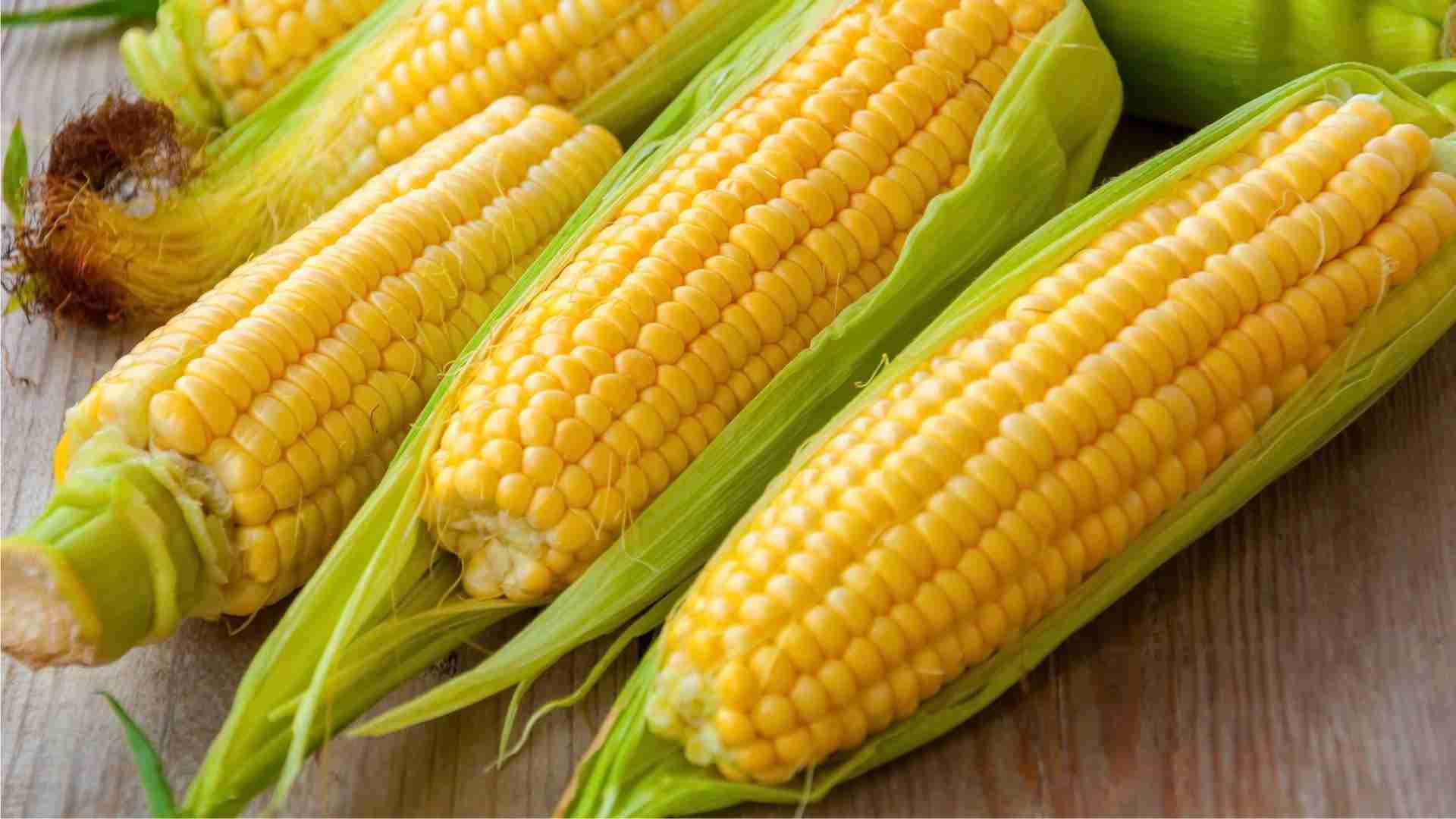
Understanding the Life Cycle of Corn: From Seed Selection to Harvest
The journey of corn begins with meticulous seed selection, where farmers choose specific varieties based on climate, soil type, and desired yield. This early stage is crucial, as it sets the foundation for the entire growing process. Once the seeds are sown, they require careful attention: adequate moisture, optimal temperatures, and protection from pests. As seedlings emerge, they enter the vegetative stage, where they actively grow and develop leaves to maximize photosynthesis. Key factors such as soil health and nutrient management play significant roles at this point, as the plants need a balanced supply of nitrogen, phosphorus, and potassium to thrive.
As the plants mature, they transition into the reproductive phase. Corn plants produce tassels and silks, leading to pollination, and ultimately, ear formation. Timing is crucial here, as successful pollination directly influences kernel development and yield. Throughout the growing season, farmers monitor weather conditions, potential diseases, and pest infestations. once the corn reaches physiological maturity, it is time for harvest. This stage marks the culmination of months of diligent care and attention to detail, where modern machinery helps ensure efficiency and minimizes loss. Proper harvesting techniques are vital to maintain grain quality, crucial for the processing journey that follows.
Exploring Sustainable Practices in Corn Cultivation and Processing
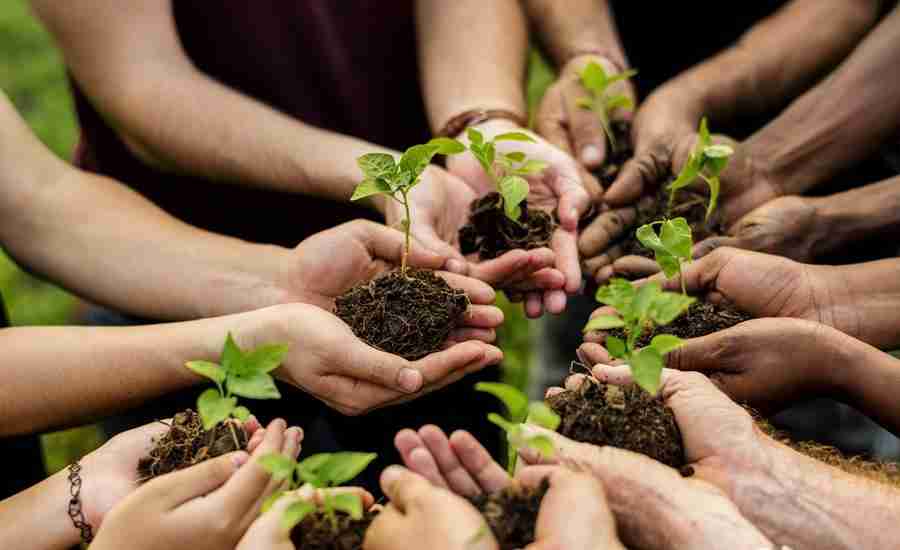
Embracing sustainable practices in corn cultivation is essential for fostering environmental health while ensuring food security. Farmers are increasingly adopting methods that not only enhance crop yield but also reduce their ecological footprint. Some innovative practices include:
- Crop Rotation: By rotating corn with other crops, farmers can maintain soil health and reduce pest buildup.
- Conservation Tillage: Minimizing soil disturbance helps retain moisture and improves organic matter, which enhances soil fertility.
- Integrated Pest Management (IPM): Utilizing biological controls and pest-resistant corn varieties reduces reliance on harmful pesticides.
- Cover Crops: Planting cover crops in the off-season protects soil from erosion and improves nutrient cycling.
The journey of corn from field to fork also involves sustainable processing practices that are gaining momentum in the industry. Modern processing facilities are designed to be energy-efficient and often incorporate renewable energy sources:
| Processing Step | Sustainable Practice |
|---|---|
| Husking | Utilizing energy-efficient machinery to reduce power consumption |
| Drying | Employing solar dryers to minimize fossil fuel use |
| Milling | Implementing closed-loop water systems to reduce waste |
| Packaging | Using biodegradable or recyclable materials |
The Transformation of Corn: Innovations in Milling and Production Techniques
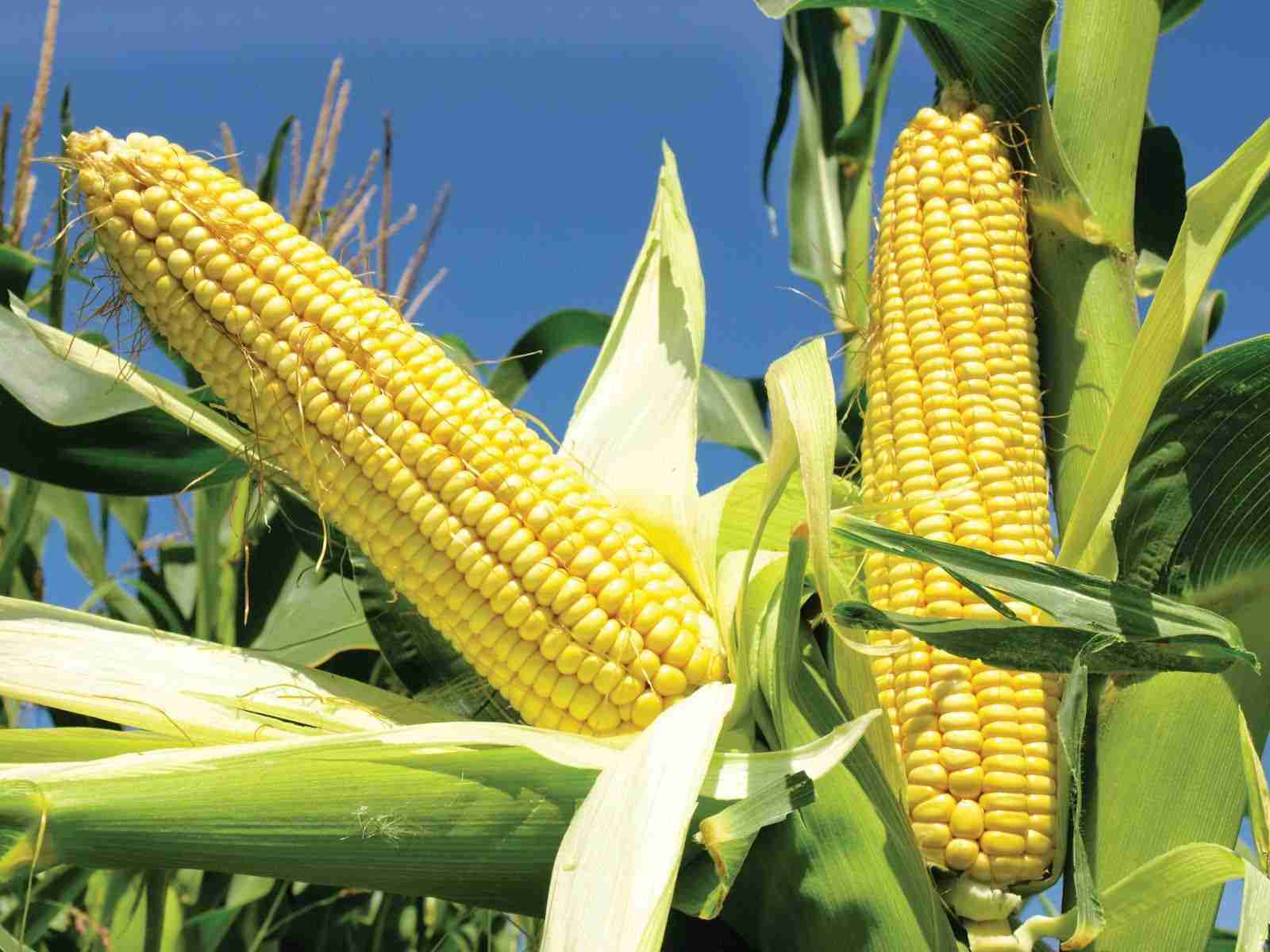
The journey of corn from field to fork has experienced radical changes over the years, particularly in the realms of milling and production techniques. With advancements in technology, the process has become increasingly efficient and precise. Modern milling techniques now utilize highly specialized equipment that enhance the extraction and quality of corn products. These innovations have resulted in a range of products from fine corn flour to cornmeal, each tailored to different culinary needs and preferences. The use of digital monitoring systems during milling ensures optimal conditions, allowing for better control over moisture levels and particle size, ultimately determining the texture and flavor profile of the final products.
Moreover, sustainability has become a key focus in the corn processing industry, leading to the adoption of eco-friendly practices. Some of the noteworthy innovations include:
- Energy-efficient milling technology: New machinery consumes less power, reducing the carbon footprint of production.
- Water reclamation systems: Advanced systems capture and reuse water from the milling process, conserving an essential resource.
- Waste-to-energy solutions: Corn by-products are repurposed to generate energy, minimizing waste and fostering a circular economy.
| Innovation | Description |
|---|---|
| Digital Monitoring | Ensures optimal milling conditions for quality control. |
| Eco-Friendly Practices | Focus on sustainability throughout the processing stages. |
| Energy Efficiency | Reduces power consumption in milling processes. |
Nourishing the World: How Processed Corn Products Fuel Our Diets
Corn, often hailed as a staple crop, plays a pivotal role in the global food system, primarily through its processed products. As it journeys from the field to our plates, this versatile grain transforms into an array of nourishing ingredients that fuel our diets. Processed corn products are not just fillers; they contribute vital nutrients and energy, making them integral to various culinary traditions around the world. Consider how corn flour, corn syrup, and cornmeal serve as building blocks in everyday cooking and baking, enriching our meals while also boosting sustainability. The extensive use of corn in the food industry enables efficient production, minimizing waste and maximizing utility across the supply chain.
Among the many processed corn products, there lies a myriad of applications that cater to different dietary needs and culinary styles, including:
- Corn Starch: A thickening agent found in sauces and gravies.
- Popcorn: A favorite snack that is low in calories when prepared healthily.
- High Fructose Corn Syrup: A sweetener used in countless beverages and processed foods.
This diversity underscores corn’s adaptability and importance, further illustrated in the following table highlighting its nutritional contributions:
| Corn Product | Nutritional Benefits |
|---|---|
| Cornmeal | Rich in fiber, promoting digestive health. |
| Popcorn | Whole grain, low-calorie snack, high in antioxidants. |
| Corn Oil | Heart-healthy fats and vitamin E. |
To Wrap It Up
As we conclude our exploration of corn processing, we have traversed the remarkable journey that this versatile grain undertakes from the sun-drenched fields to our dinner plates. Each step, from cultivation through to processing, reveals not just the complexity of agricultural science, but also the interconnected tapestry of the food industry that sustains us. Understanding this journey helps us appreciate the labor, innovation, and natural elements that converge to bring us an array of corn-derived products—each with its own story to tell.
In an age where food choices are becoming increasingly scrutinized, the knowledge of how our food is produced can empower consumers, foster informed decisions, and encourage sustainable practices. Whether it’s the sweet corn on the cob enjoyed at summer barbecues, the tortillas that accompany our favorite dishes, or the corn syrup found in countless snacks, each bite carries the weight of a well-orchestrated process.
As we reflect on the journey from field to fork, let us remain mindful of the intricate connection we share with the food we consume. By recognizing the labor and innovation behind our meals, we not only celebrate the humble corn but also the thousands of hands that contribute to our culinary experience. So, the next time you savor a dish featuring this golden grain, remember—there’s a whole world of stories crafted in every kernel.




