
Corn Processing: Transforming the Golden Grain into Value
In the heart of America’s vast fields, golden stalks of corn sway gently under the sun, a testament to agricultural tradition and innovation. This humble grain, often taken for granted, holds the power to transform industries, fueling everything from livestock feed to biofuels and an array of food products that grace our tables. As we delve into the intricate world of corn processing, we uncover the remarkable journey this versatile crop undertakes—from its initial harvest to its multifaceted applications that resonate across global markets. Join us as we explore how corn is not just a staple but a keystone in a vast economic ecosystem, unlocking value at every stage and redefining how we perceive this seemingly simple grain.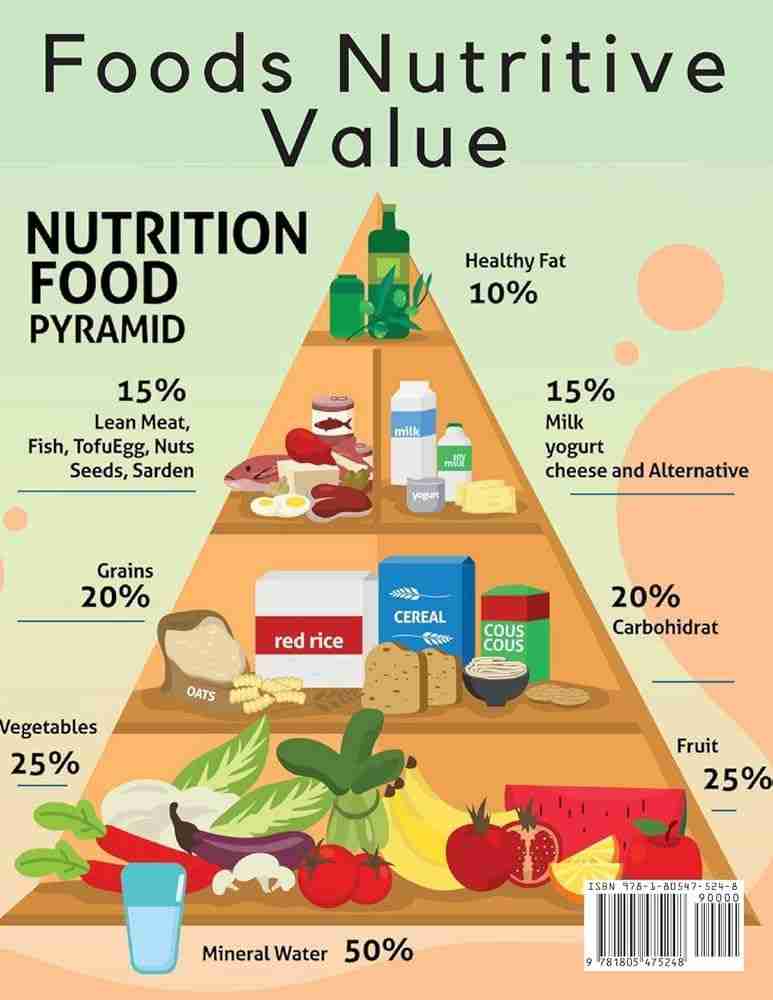
Understanding the Nutritional Value of Corn: A Foundation for Processing Innovations
To grasp the full potential of corn as a versatile ingredient, it is essential to explore its remarkable nutritional profile. Rich in carbohydrates, this golden grain serves as a primary energy source, vital for both human consumption and livestock feed. Beyond energy, corn is a good source of dietary fiber, which supports digestive health. Additionally, it contains essential vitamins, such as B vitamins including thiamine, niacin, and folate, which play crucial roles in metabolic processes. The mineral content should not be overlooked either; corn is packed with magnesium, phosphorus, and potassium, which contribute to various bodily functions, from bone health to nerve transmission.
The processing techniques applied to corn significantly amplify its nutritional benefits and usability across multiple sectors. For instance, the transformation of corn into cornmeal or corn flour not only enhances its versatility in cooking and food production but also makes it easier to incorporate into gluten-free diets. Meanwhile, corn is increasingly recognized for its role in the production of value-added products such as high-fructose corn syrup and cornstarch, both vital to the food industry. The table below illustrates some common processed corn products and their primary uses:
| Processed Corn Product | Main Uses |
|---|---|
| Cornmeal | Baking, breading, and polenta |
| Cornstarch | Thickening agent for sauces and desserts |
| High-fructose corn syrup | Sweetener in beverages and processed foods |
| Popcorn | Snack food and movie theater treat |
From Farm to Factory: The Journey of Corn in Modern Processing Techniques
Corn’s journey begins in lush fields, where it is carefully cultivated and harvested by dedicated farmers. Once the golden grains are collected, they are transported to processing facilities where the transformation into value-added products takes place. The initial steps involve cleaning and drying the corn to ensure it meets quality standards, followed by various processing techniques such as:
- Milling: Breaking down the kernels into finer particles for flour and meal.
- Wet Processing: Separating starches, oils, and proteins to create a range of products like high fructose corn syrup and corn oil.
- Fermentation: Utilizing enzymes and yeast to produce ethanol, a renewable fuel source.
This meticulous processing not only maximizes the utility of every kernel but also opens avenues for innovation in food production, biofuels, and countless industrial applications. To illustrate the diverse products obtained from corn processing, consider the following:
| Product | Usage |
|---|---|
| Corn Syrup | Sweetener in food and beverages |
| Corn Starch | Thickening agent in cooking |
| Animal Feed | Nutrition for livestock |
| Ethanol | Renewable energy source |

Innovative Products from Corn: Exploring Diverse Applications and Market Opportunities
Corn, often celebrated for its role as a staple food, holds remarkable potential beyond the dinner plate. The journey from field to finished product showcases the versatility of this golden grain, giving rise to a plethora of innovative applications. From biodegradable plastics that reduce environmental impact to biofuels that drive sustainable energy initiatives, corn is redefining industries. Research into corn-derived materials has paved the way for exciting advancements such as corn-based adhesives and insulation products, demonstrating that this humble crop is a viable player in the quest for sustainable solutions.
As market demand for eco-friendly products continues to surge, opportunities for corn processing expand exponentially. Businesses are exploring niche markets within the health sector, using corn to create natural sweeteners and functional food ingredients. Furthermore, the cosmetics and personal care industry is tapping into the benefits of corn starch as a thickening and anti-caking agent. To illustrate the diversity found within corn applications, consider the following table that summarizes key products and their uses:
| Product | Application | Market Opportunity |
|---|---|---|
| Bioplastics | Packaging, disposable cutlery | Growing demand for sustainable packaging solutions |
| Bioethanol | Fuel for vehicles | Increase in green energy policies |
| Corn Starch | Thickening agent in food | Trend towards natural ingredients |
| Corn Syrup | Sweetener in beverages | Rise in demand for affordable sweeteners |

Sustainability in Corn Processing: Strategies for a Greener Future
In the quest for a greener future, the corn processing industry is embracing a myriad of innovative approaches aimed at reducing its environmental footprint. By rethinking traditional practices, processors are not only enhancing efficiency but also championing sustainability. Key strategies include:
- Water Conservation: Implementing advanced irrigation techniques and recycling wastewater can drastically reduce the water footprint of corn processing.
- Energy Efficiency: Utilizing renewable energy sources, such as solar and wind, to power processing facilities promotes a significant reduction in carbon emissions.
- Waste Reduction: Converting by-products into biofuels and animal feed not only minimizes waste but also creates new revenue streams.
- Crop Rotation and Soil Health: Engaging in sustainable farming practices like crop rotation can enhance soil health and improve yields, encouraging farmers to grow corn responsibly.
Furthermore, collaboration across the supply chain plays a critical role in fostering sustainability. By forming partnerships with local farmers and investing in community education, corn processors can facilitate responsible agricultural practices that prioritize environmental stewardship. These partnerships can lead to:
- Enhanced Local Economies: Supporting local farmers establishes a sustainable supply chain that benefits both processors and communities.
- Innovative Technologies: Investing in research for new processing technologies can lead to methods that require fewer resources and generate less waste.
- Transparency and Certification: Adopting certification programs that validate sustainable practices builds consumer trust and encourages eco-conscious choices.
| Strategy | Impact |
|---|---|
| Water Conservation | Reduces water usage by up to 30% |
| Renewable Energy Usage | Decreases carbon emissions by 50% |
| Waste-to-Value Programs | Reduces landfill waste by over 40% |
In Conclusion
As we draw our exploration of corn processing to a close, it becomes clear that this humble golden grain holds far more than meets the eye. From its origins in sun-kissed fields to its transformation into an array of products that nourish and sustain economies, the journey of corn is a testament to human ingenuity and the intricate relationship we share with agriculture. The varied processes—whether milling, fermenting, or extracting—showcase the adaptability of corn, a crop that continues to evolve and thrive in a rapidly changing world.
As we reflect on the steps that turn raw kernels into value-added products, we are reminded of the broader implications for food security, sustainability, and innovation in the realms of agriculture and industry. Corn processing is not merely an endpoint; it is part of a larger narrative that includes the farmers who cultivate it, the scientists who study it, and the consumers who enjoy its benefits.
In the tapestry of global food systems, corn stands as a vibrant thread, weaving together tradition and modernity, local and global. As we look to the future, the potential for further advancements in corn processing leaves us with a powerful reminder: every grain carries a story, imbued with the promise of progress and the potential for a better tomorrow.




