
Introduction: The Alchemy of Corn Processing
In a world increasingly driven by innovation and sustainability, few agricultural products hold as much promise as corn. This humble grain, nurtured by the sun and soil across vast fields, transcends its simple origins to become a cornerstone of countless industries. From the sweet allure of corn syrup in our favorite snacks to the bioplastics paving the way for eco-conscious consumption, the art of corn processing transforms this staple into a versatile array of goods. As we delve into the multifaceted journey of corn—from harvest to industrial application—we uncover not just the intricacies of its processing, but also the profound impact it has on our economy, food systems, and even the environment. Join us as we explore the transformation of corn into a myriad of products that shape our daily lives and fuel a sustainable future.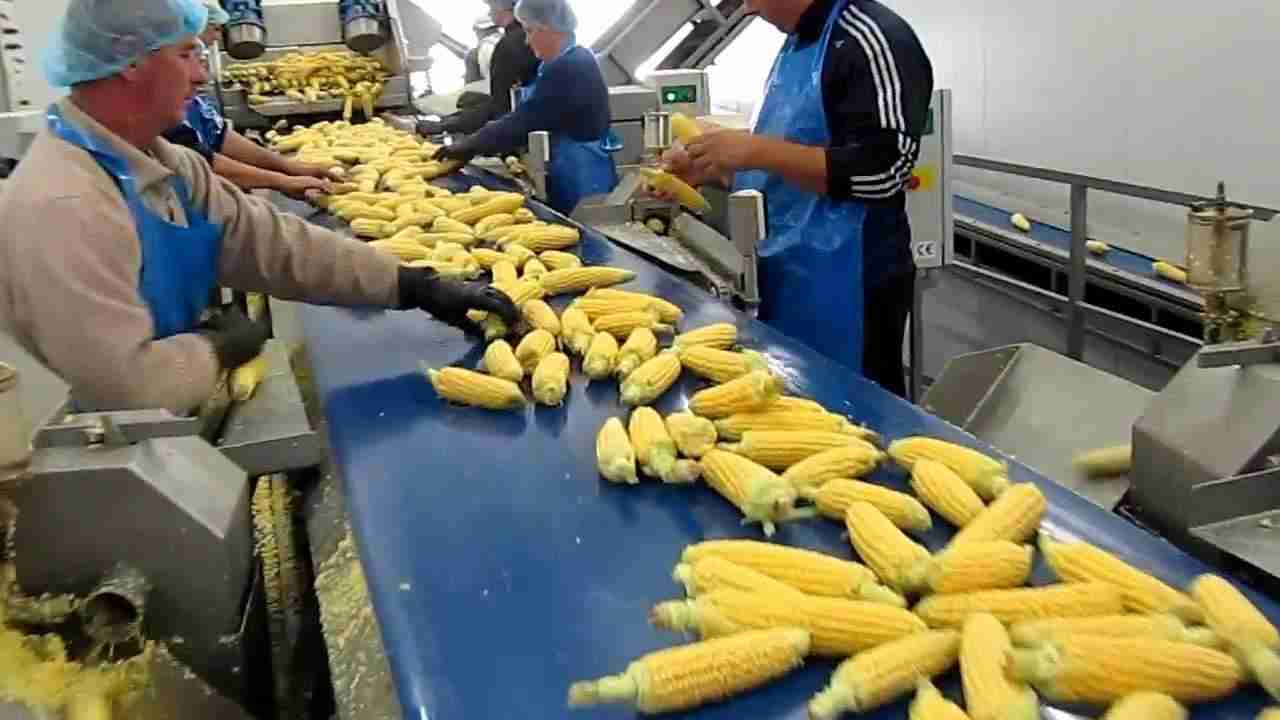
Understanding the Corn Processing Journey from Field to Factory
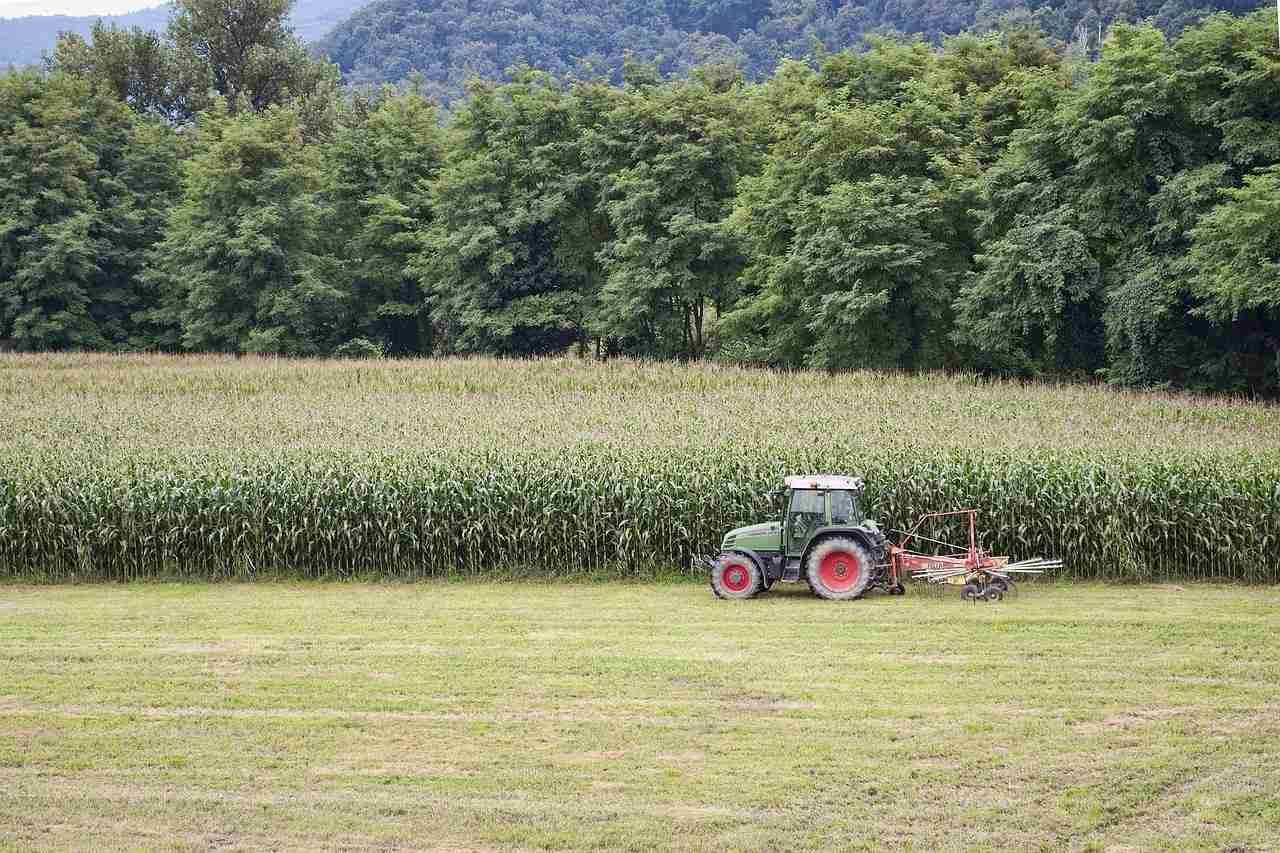
The journey of corn processing begins right in the vibrant fields where this golden grain is cultivated. Farmers invest time and resources to grow high-quality corn, considering essential factors such as soil health, water management, and pest control. Once the corn reaches its peak maturity, a meticulous harvesting process takes place, ensuring optimal yield. Key stages in the corn processing journey include:
- Harvesting: Collected from the fields using specialized machinery.
- Drying: Removing excess moisture to prevent spoilage.
- Storage: Safely keeping corn in silos to maintain quality.
After harvesting, the adventure of transformation truly begins in the factory. Corn undergoes several intricate processes such as milling, grinding, and enzymatic treatments to unlock its potential. These methods ensure that the end products retain their nutritional value and versatility. An overview of products derived from corn illustrates the various applications:
| Product | Uses |
|---|---|
| Corn Starch | Thickening agent in cooking, industrial uses. |
| Corn Oil | Cooking, baking, and as an ingredient in cosmetics. |
| Cornmeal | Used in baking, tortillas, and cereals. |
| High Fructose Corn Syrup | Sweetener in soft drinks and processed foods. |
Exploring the Diverse Products Derived from Corn Processing
Corn processing generates an astonishing variety of products, showcasing the grain’s versatility beyond just food. The starch extracted from corn serves as a fundamental ingredient in countless applications, ranging from culinary uses to industrial manufacturing. Here are some notable products derived from corn starch:
- Thickeners: Used in soups and sauces for a smooth, velvety consistency.
- Biodegradable Plastics: A sustainable alternative that reduces environmental impact.
- Adhesives: Applied in various industries for bonding materials.
Furthermore, the fermentation of corn opens the door to an even broader range of products. Ethanol production, derived from the fermentation of corn sugars, has gained significant traction as a renewable fuel source. Additionally, corn is crucial in creating sweeteners such as high-fructose corn syrup, which enhances the flavor of numerous food items. Other by-products of corn fermentation include:
- Alcohol: Used for beverages and industrial applications.
- Malted Corn: Employed in brewing and distillation processes.
- Animal Feed: A high-energy component that sustains livestock.

Sustainable Practices in Corn Processing for a Greener Future
As the demand for corn continues to rise, so does the need for sustainable production techniques in its processing. This involves not only minimizing waste but also embracing innovative technologies that reduce the carbon footprint. Many companies are now adopting methods that prioritize biodegradable packaging, renewable energy sources, and water recycling systems. By utilizing co-products from corn processing, such as corn oil and protein byproducts, businesses can create a closed-loop system that maximizes resource efficiency and minimizes environmental impact.
Moreover, fostering collaboration among agricultural producers, manufacturers, and consumers can significantly enhance sustainability efforts. Food producers are increasingly incorporating practices like crop rotation and integrated pest management, while consumers are encouraged to support brands that prioritize eco-friendly practices. An effective way to measure the progress in these initiatives is through sustainability metrics. For instance, tracking the percentage of water recycled during production or the amount of energy sourced from renewable resources can inform improvements and inspire further innovation.
| Sustainability Metric | Current Status | Target Enhancement |
|---|---|---|
| Water Recycled Percentage | 60% | 80% by 2025 |
| Renewable Energy Usage | 40% | 70% by 2030 |
| Biodegradable Packaging Adoption | 30% | 50% by 2024 |

Innovations in Technology and Techniques Enhancing Corn Utilization
Recent advancements are revolutionizing the way we process corn, significantly enhancing its utility in various industries. From food production to biofuels, innovative technologies are making it possible to utilize corn in unprecedented ways. Notable innovations include:
- Enzymatic Processing: This technique employs specific enzymes to break down starches into sugars more efficiently, improving yield and reducing energy consumption.
- Fermentation Technology: Utilizing microbial fermentation, manufacturers can convert sugars derived from corn into valuable bioethanol and bioplastics, positioning corn as a renewable resource.
- Precision Agriculture: Advanced sensors and data analytics help farmers optimize corn cultivation methods, enhancing quality while minimizing resource use.
Moreover, the integration of artificial intelligence and machine learning in corn processing is paving the way for predictive analytics. This allows stakeholders to forecast demand, streamline supply chains, and minimize waste. A glimpse at the types of products generated from modern corn processing illustrates the versatility of this grain:
| Product | Application |
|---|---|
| Corn Starch | Thickening agent in food and biodegradable plastics |
| Corn Oil | Cooking oil and ingredient in biodiesel |
| Sweeteners | Sucrose substitutes in beverages and candies |
In Retrospect
As we conclude our exploration of corn processing, it is clear that this remarkable grain extends far beyond the fields in which it is grown. From the humble cob to a myriad of industrial and culinary applications, corn has proven to be a true chameleon in the world of agriculture. Whether it’s through the creation of biofuels, sweeteners, or biodegradable packaging, the transformation of corn enhances our lives in ways both simple and sophisticated.
Understanding the intricacies of corn processing opens our eyes to the intricate web of innovation that connects our food systems, industries, and sustainability efforts. As we navigate the challenges and opportunities that lie ahead, the versatility of corn serves as a reminder of nature’s bounty and human ingenuity. By continuing to refine these processes, we can harness corn’s potential while supporting a more sustainable and resilient future.
So the next time you encounter corn in your kitchen or encounter its derivatives in everyday products, remember the journey it undertook—from field to factory—and the countless possibilities it represents. In every kernel lies not just nourishment but also a testament to our ability to adapt and innovate. After all, in the grand tapestry of life, even a single grain of corn can spark a world of transformation.




