In the heart of the American Midwest, were golden fields stretch as far as the eye can see, corn stands as a testament to agricultural innovation and endurance. More than a mere staple, corn is a versatile crop that plays a crucial role in our daily lives, from the sweet allure of corn syrup in our favorite snacks to the foundational element of the flour that graces our tables. But have you ever pondered the journey of this unassuming grain? From the moment it is indeed sown in rich soil to its transformation into flour that fills our kitchens, corn processing is a engaging amalgamation of nature and technology. In this exploration, we will unveil the intricate steps and processes that harmonize to bring corn from the field to flour, illuminating the complexities and artistry behind this beloved ingredient. Join us as we traverse this journey and discover the science, history, and craftsmanship that make corn processing an essential thread in the fabric of our culinary world.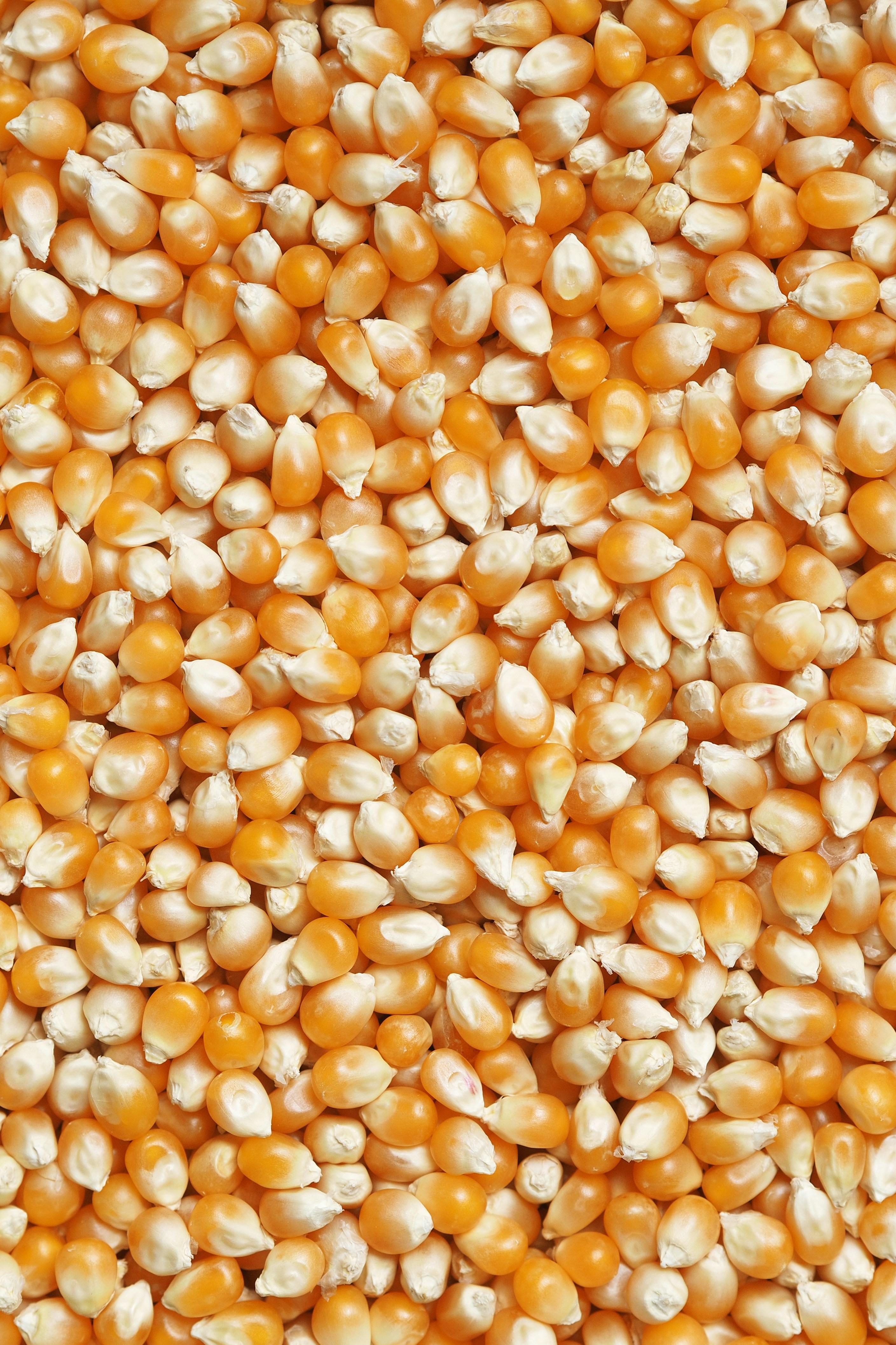
Understanding the Lifecycle of Corn: A Deep Dive into Cultivation and Harvesting
The journey of corn from seed to harvest is a remarkably intricate process that begins well before the planting season. Farmers meticulously prepare the soil, ensuring that it is nutrient-rich and free from weeds.The planting phase is crucial; typically, seeds are planted in neat rows, allowing for optimal growth and ease of maintenance.As the plants emerge, they undergo several growth stages, which are vital for ensuring robust yields. During this phase, factors such as adequate water supply, sunlight, and pest management come into play, each influencing the overall health of the crop. The growth stages include:
- Germination: The seed absorbs moisture, swells, and breaks through the soil.
- Tasseling: The male flowers develop, which pollinate the female ears.
- Silking: The female flowers emerge, signaling that pollination is underway.
- Kernel advancement: The fertilized ears fill with kernels, a process critical to harvest readiness.
The moment of harvest represents the culmination of weeks of careful cultivation. Timing is essential; harvesting too early can lead to lower yields, while waiting too long may risk crop damage. Kernels are typically at their peak moisture content during harvest, a factor. Farmers often utilize a combination of technology and conventional tools, employing combines to efficiently cut, separate, and collect the corn. Once harvested, the corn undergoes a series of processing steps before reaching consumers, which include:
| Processing Step | description |
|---|---|
| Drying | Reducing moisture content to preserve kernels. |
| Shelling | Separating kernels from cobs for easier processing. |
| Milling | Grinding kernels into flour or meal for various uses. |
The Art of Milling: Transforming Corn into Versatile Flour Products
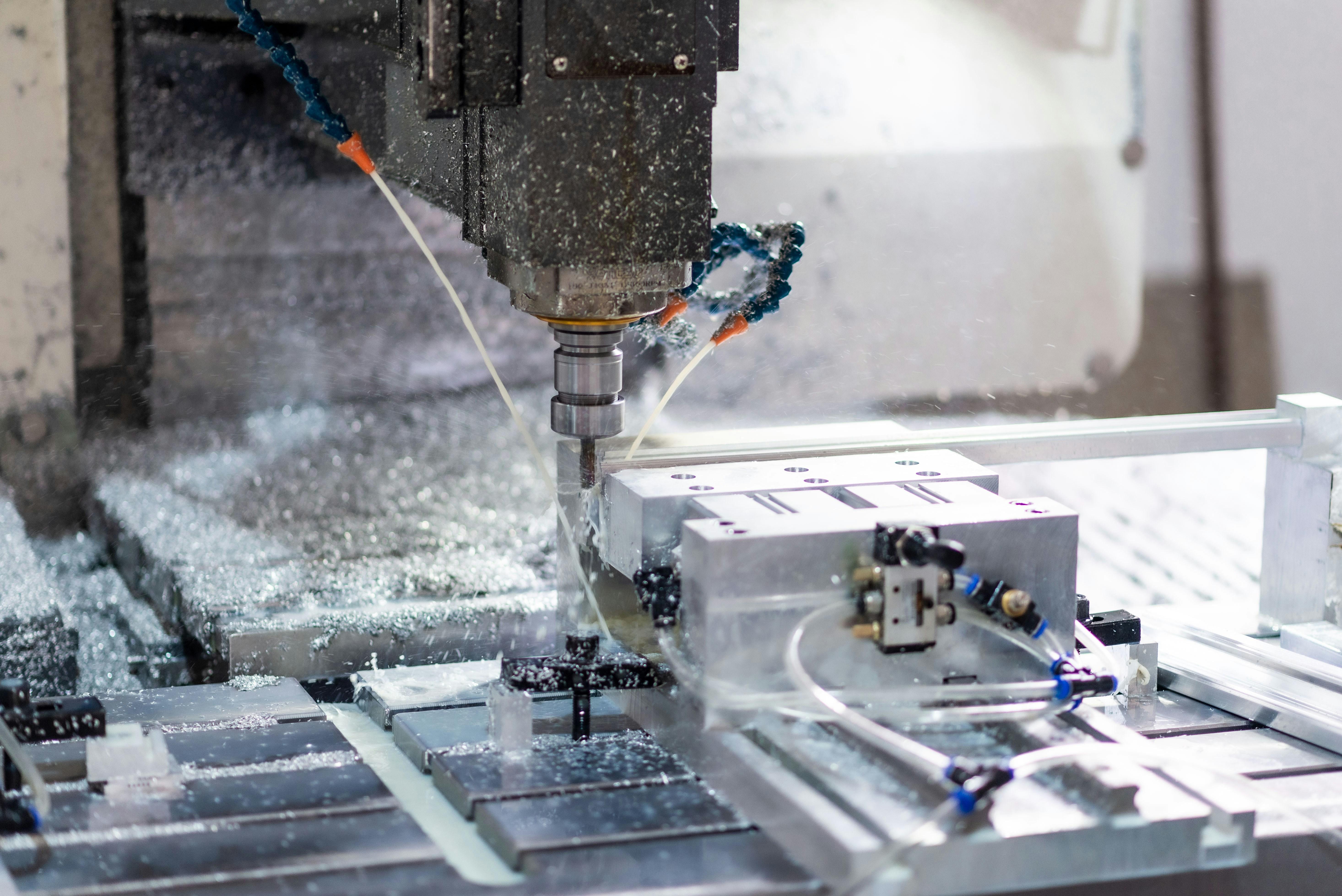
From the moment corn is harvested, it embarks on a fascinating journey that transforms it into a range of flour products cherished in kitchens around the globe. The milling process begins with thorough cleaning, ensuring that impurities like dirt and stones are removed. Once this initial step is complete, the corn kernels are tempered—moistened to enhance milling efficiency and flavor. the heart of the transformation occurs in the mill, where large rollers crush the kernels into a fine powder. Depending on the desired end product,there can be multiple stages of grinding and sifting,carefully separating the starchy flour from the fibrous bran and germ.
the versatility of milled corn is astounding, leading to a variety of flour products suited for different culinary uses. Chefs and home cooks alike benefit from options such as:
- Cornmeal: Coarsely ground flour, ideal for cornbread and polenta.
- Cornstarch: A fine powder used as a thickener in sauces and desserts.
- Hominy flour: Made from nixtamalized corn, perfect for masa and tortillas.
- Flint corn flour: Known for its distinctive flavor, often used in artisanal baking.
Each type of flour boasts unique characteristics,contributing distinct textures and flavors to various dishes.The meticulous process of milling ensures that corn’s nutritional benefits are preserved while offering a range of culinary applications. As consumers increasingly seek whole and versatile ingredients, the art of milling reaffirms corn’s place as a staple in both traditional and modern kitchens, marrying heritage with innovation.

Sustainability in corn Processing: Eco-Friendly Practices and Innovations
In the journey from corn to flour, sustainability plays a pivotal role in minimizing the ecological footprint of processing techniques. Modern innovations are steering the industry towards more environmentally friendly practices, focusing on energy efficiency and waste reduction. Upcoming technologies such as biocomposite packaging and closed-loop water systems are increasingly being adopted, ensuring that less water is squandered, and resources are conserved. Experts are also exploring regenerative agriculture practices, which restore soil health and promote biodiversity, enriching not just the fields but the atmosphere, by capturing more carbon than traditional methods.
Furthermore, the implementation of renewable energy sources is gaining traction in corn processing facilities. By harnessing wind and solar power, producers can substantially reduce greenhouse gas emissions associated with the milling and processing stages. Partnerships with local farmers encourage a shift towards enduring corn varieties, reducing the need for chemical fertilizers and pesticides. The ongoing research into biotechnology aims to enhance crop resilience while decreasing the reliance on harmful inputs.The collective efforts across the industry not only streamline the path from field to flour but also pave the way for a green future in agriculture.
| Innovation | Description |
|---|---|
| Biocomposite Packaging | Eco-friendly materials derived from corn, reducing plastic waste. |
| Closed-loop Water Systems | Recycling water used in processing, minimizing depletion. |
| Renewable Energy sources | Wind and solar energy for powering processing plants. |
| Regenerative Agriculture | practices that enhance soil health and ecosystem diversity. |

Exploring Culinary Applications: elevating Dishes with Quality Corn Flour
Corn flour is a remarkable ingredient that elevates culinary creations, infusing them with unique flavors and textures. Chefs and home cooks alike are discovering the vast potential of this versatile flour, transforming simple meals into extraordinary gourmet experiences. The fine texture and subtle sweetness of quality corn flour make it an ideal choice for various dishes, ranging from traditional recipes to innovative culinary experiments. Here are a few ways it enhances dishes:
- Baking: Corn flour can be blended with wheat flour to add moisture and a delicate crumb to breads,muffins,and pancakes.
- Thickening Agent: Use corn flour to thicken sauces, soups, and gravies without altering their flavors.
- Coating: It serves as a fantastic coating for fried foods, providing a lovely crunch and golden colour.
- Gluten-Free Alternatives: Corn flour is a staple in gluten-free baking, allowing those with dietary restrictions to enjoy pastries and breads.
Beyond its usage in baking and cooking, corn flour opens up a world of creative possibilities in international cuisines. For instance, in Latin American kitchens, it is a key ingredient in making tortillas, tamales, and arepas, showcasing its cultural meaning and adaptability. In Asian cooking, corn flour is often used in dumplings and noodles, providing a chewy texture. Here’s a quick overview of various global dishes that feature corn flour:
| Cuisine | Dish | Submission |
|---|---|---|
| Mexican | Tortillas | Flatbreads made from masa harina (corn flour) |
| Italian | Polenta | Ground cornmeal boiled into a creamy dish |
| Asian | Jiaozi (Dumplings) | Wraps made from corn flour for a unique texture |
| American | johnnycakes | Fried cornmeal pancakes,rich in flavor |
Final Thoughts
as we conclude our exploration of corn processing,it becomes clear that this humble grain embarks on an extraordinary journey,transforming from a vibrant field of golden tassels into the versatile flour we often take for granted. Each step of the process—cultivation, harvesting, milling, and beyond—reflects not just the ingenuity of agricultural practices but also the dedication of countless individuals who contribute to bringing corn from farm to table.
The next time you savor a baked good, engage in culinary creativity, or even enjoy a meal enriched with corn-based products, take a moment to appreciate the intricate journey that has made it possible. It is a journey steeped in tradition,innovation,and sustainability,echoing the rhythms of nature and human endeavor. As we forge ahead into the future, understanding and valuing this transformation is crucial, reminding us of the profound connection we share with the food we consume. In the world of corn processing, every kernel tells a story—one that continues to unfold with each passing harvest.