
Introduction:
Imagine waking up to the familiar crunch of your favorite cereal, a comforting ritual that kickstarts your day. But have you ever paused to consider the remarkable journey that brought those golden flakes from sprawling fields to the humble bowl? “Cereal Processing: From Farm to Bowl – The Journey Unveiled” invites you to embark on an enlightening exploration of one of the world’s most beloved breakfast staples. From the fertile soil where grains are sown to the intricate processes of milling, flaking, and packaging, we will uncover the intricate web of agricultural and industrial efforts that transform simple crops into the delightful cereals we cherish. Join us as we peel back the layers of this fascinating industry, revealing the innovations, challenges, and traditions that shape our morning routines and nourish our lives.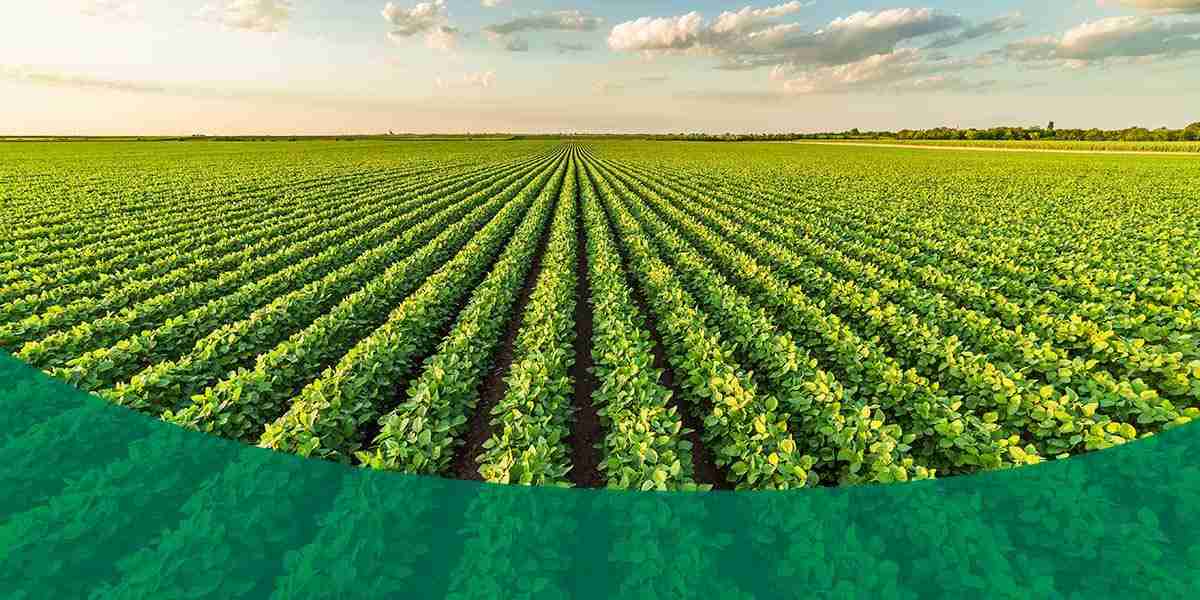
The Agricultural Foundations: Cultivating Quality Grains for Cereal Production
The cultivation of high-quality grains is the cornerstone of cereal production, where the journey begins long before the grain meets the consumer’s bowl. Innovative farming practices and sustainable agriculture play pivotal roles in ensuring that crops flourish and yield optimal results. Farmers focus on a variety of factors, including:
- Soil Health: Maintaining nutrient-rich soil through crop rotation and organic fertilization.
- Water Management: Implementing efficient irrigation systems to ensure adequate moisture while conserving water.
- Pest Control: Utilizing integrated pest management techniques to protect crops without harming the environment.
The journey from field to processing facility involves meticulous attention to detail. Once harvested, grains undergo rigorous quality checks, ensuring they meet industry standards. Processing facilities employ advanced technology to clean, sort, and package grains effectively. Key processes include:
| Processing Stage | Description |
|---|---|
| Cleaning | Removing impurities such as dirt, rocks, and damaged grains. |
| Drying | Reducing moisture content to ensure longevity and prevent mold. |
| Milling | Grinding grains into flour or meal, ready for packaging. |
Through these carefully orchestrated steps, the agricultural foundations of quality grain production play a significant role in bringing nutritious cereals to households across the globe.
Harvesting Innovation: Techniques that Transform Grains into Breakfast Staples
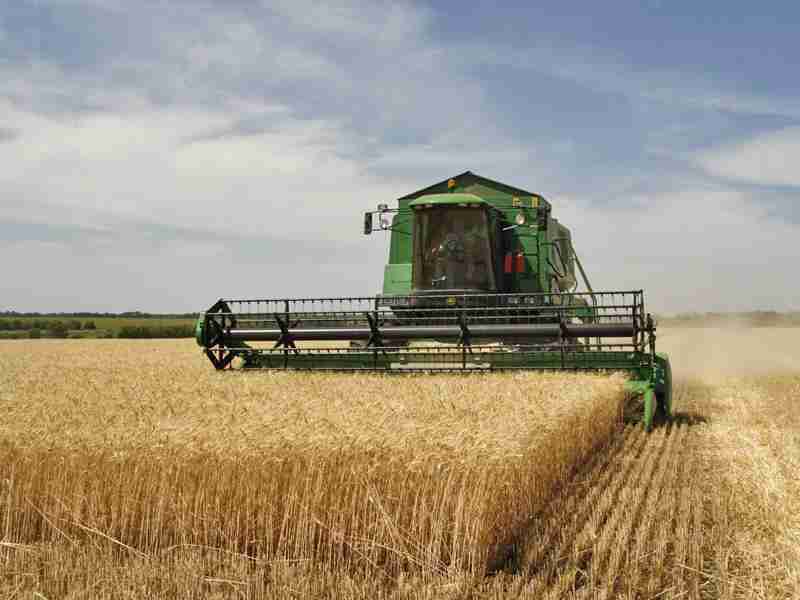
Harvesting innovation in cereal processing begins long before grains reach the breakfast table. The journey starts in lush fields, where farmers employ cutting-edge agricultural techniques to cultivate robust crops that thrive on the land. These methods not only enhance the yield but also improve the nutritional profile of grains. With the aid of precision farming technology, farmers monitor variables such as soil health, moisture levels, and plant growth, enabling them to make informed decisions and minimize waste. After harvest, the grains are swiftly transported to processing facilities where the real transformation begins.
In the processing stage, several innovative techniques work in tandem to convert unrefined grains into familiar breakfast staples. The steps typically include:
- Cleaning: Removing impurities and debris to ensure high-quality grains.
- Milling: Grinding grains into flour or flaking them to achieve desired textures.
- Toasting: Enhancing flavor and crunchiness through controlled heat application.
- Fortification: Adding essential vitamins and minerals to boost nutritional content.
Each step in this meticulous process is designed to preserve the natural goodness while introducing flavors and textures that appeal to consumers. Below is a simplified comparison of traditional and modern cereal processing methods:
| Traditional Methods | Modern Innovations |
|---|---|
| Manual harvesting | Automated harvesters |
| Stone milling | High-speed rollers |
| Natural flavorings | Controlled flavor infusion |
| Basic fortification | Precision nutrient targeting |
From Milling to Packaging: The Intricate Processes Behind Your Favorite Cereals
The journey of your favorite cereals begins long before they reach the breakfast table. At the heart of cereal production lies milling, a process where grains like wheat, corn, and oats undergo transformation. Farmers harvest the grains, which then travel to milling facilities, where they are cleaned and sorted. Using a combination of mechanical and pneumatic systems, the grains are milled to precise textures, creating flour or meal suitable for various cereal types. This step is crucial, as it determines not only the texture but also the nutritional profile and flavor of the final product.
Once the milling process is complete, the transformation continues into packaging, where the meticulously crafted cereals are prepared for the retail landscape. Packaging is an art and a science, designed to ensure freshness while catching the consumer’s eye. Some key elements of this phase include:
- Materials: Typically made of multi-layered films that safeguard against moisture and light.
- Design: Colorful graphics and informative labels that entice customers and convey product benefits.
- Automation: High-tech machines that streamline the packaging process for efficiency and accuracy.
the packaged cereals are transported to grocery stores, where they wait for families to bring them home. The synergy between milling and packaging ensures that every crunch you enjoy not only tastes good but is also produced with quality and safety in mind.
Sustainability in Cereal Processing: Best Practices for a Greener Future
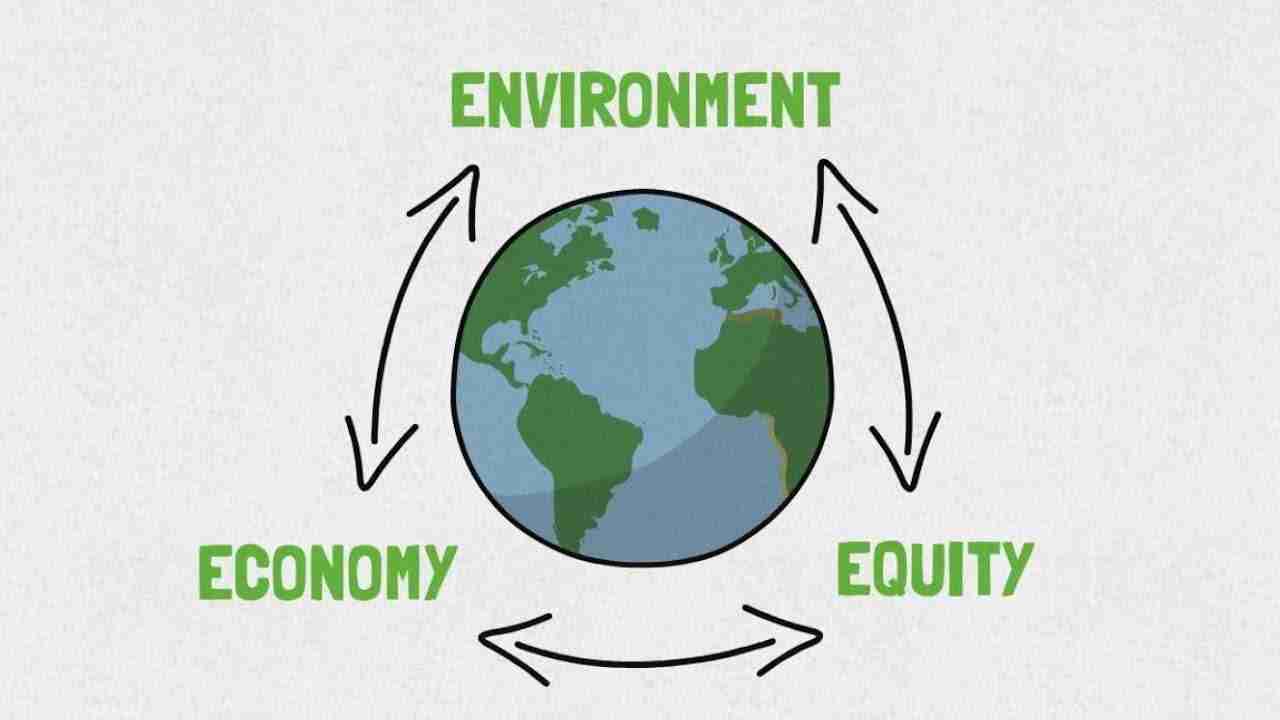
Adopting sustainable practices in cereal processing is vital for both environmental stewardship and economic efficiency. Implementing energy-efficient technologies can significantly reduce carbon footprints, while engaging in water conservation tactics minimizes waste and preserves this precious resource. Key strategies include:
- Utilization of renewable energy sources: Solar, wind, and biomass energy can be harnessed to power processing facilities.
- Waste recycling and repurposing: Byproducts can be transformed into animal feed or organic fertilizers.
- Optimized logistics: Streamlining distribution channels reduces transportation emissions, ensuring fresher product delivery.
Moreover, fostering community collaboration plays a crucial role in building a sustainable cereal supply chain. Local sourcing can help support regional farmers, decrease transportation distance, and enhance the quality of grain. Establishing partnerships with sustainable organizations can offer guidance and resources for improved practices. Consider the following elements in forming these alliances:
| Collaboration Aspects | Benefits |
|---|---|
| Knowledge Exchange | Sharing best practices enhances industry-wide sustainability efforts. |
| Joint Research | Developing innovative solutions for processing efficiency. |
| Consumer Awareness Campaigns | Educating buyers on the importance of sustainable choices. |
In Retrospect
As we trace the intricate path of cereal from farm to bowl, we uncover a tapestry woven with dedication, innovation, and sustainability. Each grain carries a story—one that begins in sun-drenched fields and culminates in the cherished breakfast rituals of families worldwide. This journey reflects not only the hard work of farmers, millers, and manufacturers but also the evolving landscape of food production, where technology and tradition intersect.
As consumers, understanding this process allows us to cultivate a deeper appreciation for our morning meals. With every spoonful of cereal, we’re not just nourishing our bodies; we’re participating in an extensive network of agriculture and craftsmanship. Moving forward, let us celebrate and support responsible practices that honor this journey, ensuring that each day starts with a bowl that sustains not just us, but the communities and ecosystems behind it.
So, the next time you pour that first scoop, remember the journey it took to reach your table—it’s a reminder of the countless hands and hearts invested in every crunchy bite.




