
Behind the Bowls: The Art and Science of Cereal Processing
As the sun rises and the world awakens, millions of people reach for a seemingly simple yet profoundly significant breakfast staple: cereal. This beloved morning ritual, often accompanied by a splash of milk and a handful of fresh fruit, masks a complex interplay of artistry and innovation that unfolds long before the first spoonful. Behind the bright, colorful boxes lining grocery store shelves lies a fascinating journey of ingredients transformed through meticulous processing techniques. From the golden fields where grains are harvested to the sophisticated machinery that crafts them into iconic shapes, the story of cereal is one of both tradition and technology. In this exploration, we delve into the intricate processes that shape our favorite cereals, uncovering the science that enhances flavor and texture while celebrating the culinary creativity that makes breakfast a delightful affair. Join us as we peel back the layers and examine what truly lies behind the bowls of this cherished food.
Exploring the Ingredients: From Grains to Flakes
The journey from simple grains to the familiar flakes of your breakfast bowl is a fascinating intersection of art and science. Initially, the magic begins with grains, which are the heart and soul of cereal. Each type of grain, whether it be wheat, corn, rice, or oats, brings its unique characteristics to the table — influencing not only the flavor and texture but also the nutritional content of the final product. These grains undergo several processing steps including cleaning, conditioning, and milling, transforming them from their raw state into a form ready for cooking or further processing.
After being processed, the grains can be manipulated in various ways to create those delightful flakes. Here’s where the innovation truly shines, showcasing both traditional methods and newer technologies. The following processes can be employed to achieve that perfect bowl of cereal:
- Toasting: This adds a rich depth of flavor while ensuring that the flakes remain crispy.
- Flaking: Steam cooking followed by pressing the grains into thin shapes, transforming them into appealing flakes.
- Enrichment: Adding vitamins and minerals back into the fare, enhancing both health benefits and taste.
The result of these combined efforts leads to a myriad of cereal options available today. A brief comparison table illustrates how different grains yield distinct types of flakes:
| Grain Type | Texture | Common Use |
|---|---|---|
| Wheat | Crunchy | Common breakfast cereals |
| Corn | Light and crispy | Sweetened cereals |
| Oats | Chewy | Granola and health cereals |
| Rice | Fluffy | Snack cereals |

The Processing Journey: Techniques That Transform
The journey from grain to breakfast bowl is a fascinating blend of art and science, where traditional methods meet technological advancements. One primary technique involves milling, where whole grains are ground into flour. This process not only alters the grain’s texture but also enhances its usability in various cereal products. Following milling, steam conditioning plays a crucial role; by softening the grains with steam, manufacturers can improve the gelatinization of starches, leading to a better cooking process and improved texture in the final product. Other methods such as extrusion utilize high-pressure cooking to shape and puff cereals, granting them that delightful crunch we all enjoy.
Additionally, toasting and flaking serve to enhance flavor and shelf life. During toasting, cereals are subjected to high temperatures, which caramelizes sugars and enriches the taste profile. Flaking involves passing steamed grains through heavy rollers, creating the thin, crisp flakes that are so familiar in popular breakfast cereals. Other transformative techniques include enrichment and fortification, which add essential vitamins and minerals, making cereals not only delicious but also nutritious. Below is a summary of these techniques:
| Technique | Description |
|---|---|
| Milling | Grinding grains into flour for various cereal types. |
| Steam Conditioning | Softening grains with steam for improved texture. |
| Extrusion | High-pressure cooking to create unique shapes and textures. |
| Toasting | Caramelizing sugars to enhance flavor. |
| Flaking | Creating thin, crispy flakes through rolling. |
| Enrichment/Fortification | Adding essential nutrients for improved health benefits. |
Nutritional Considerations: Balancing Taste and Health
When it comes to selecting cereals, straddling the line between indulgence and nutrition is often a tricky balancing act. The most popular breakfast options tend to be high in sugars and low in nutrient density, tempting consumers to prioritize taste over health. To craft cereals that appeal to the palate while offering substantial health benefits, manufacturers often explore a variety of ingredients that enhance both flavor and nutritional content. Consider the use of natural sweeteners like honey, maple syrup, and fruit purees as alternatives to refined sugars, providing a more wholesome taste experience while contributing vitamins and minerals.
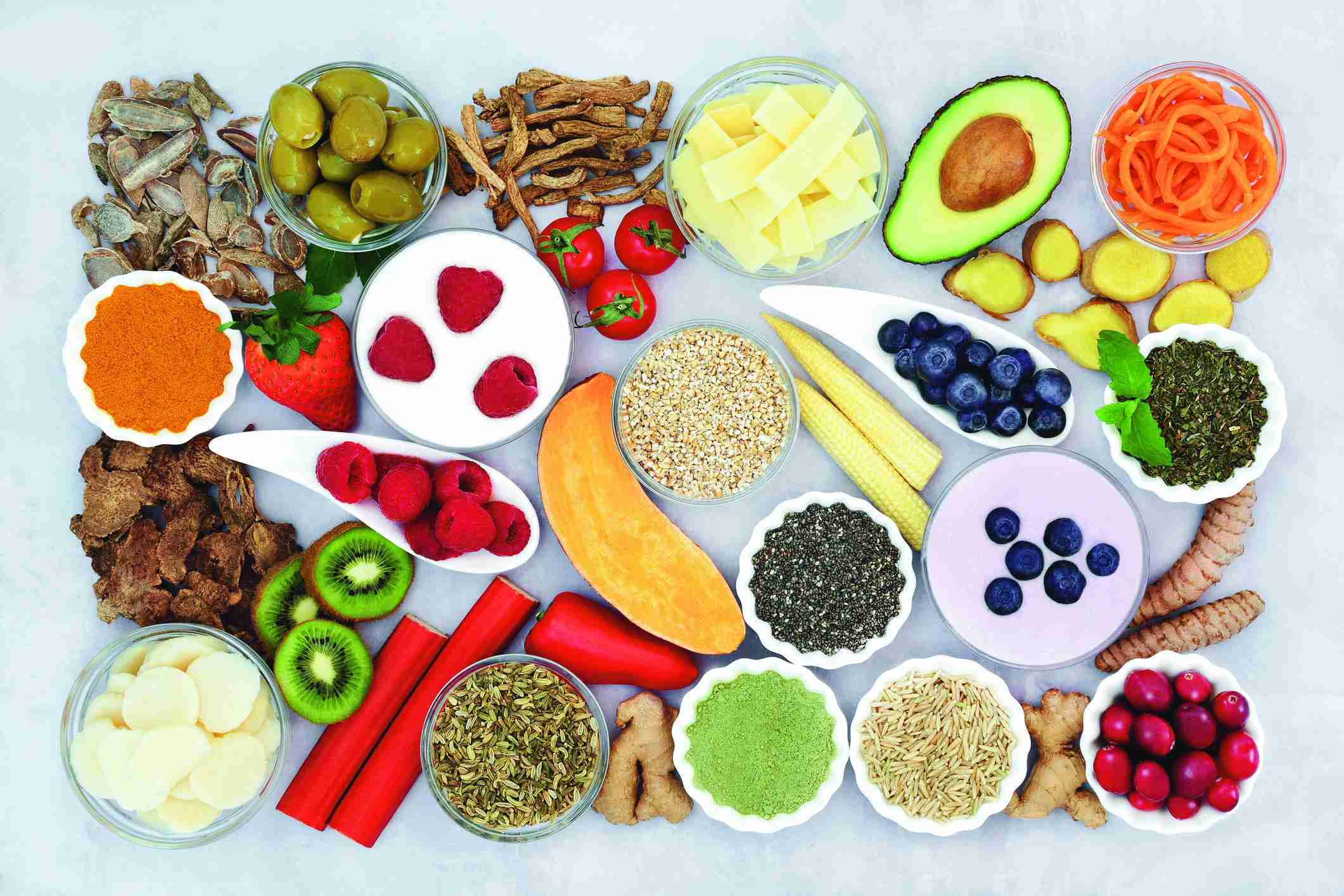
Furthermore, elevating the fiber content in cereals not only supports digestive health but also aids in achieving a feeling of fullness, encouraging mindful eating. Options like whole grains, nuts, and seeds can be deftly incorporated to maintain crunchy textures while enriching the bowl with essential nutrients. Here’s a closer look at some key ingredients commonly found in healthier cereals:
| Ingredient | Health Benefits |
|---|---|
| Whole Oats | Rich in fiber; helps lower cholesterol |
| Chia Seeds | High in omega-3 fatty acids; supports heart health |
| Dried Fruits | Natural sweetness; packed with antioxidants |
| Almonds | Provides protein and healthy fats; boosts energy |

Sustainability in Cereal Production: Practices for the Future
The journey of cereal production is intricately linked to sustainability, as farmers, processors, and consumers increasingly recognize the importance of environmentally mindful practices. To cultivate cereals in a sustainable manner, several key strategies can be employed, including:
- Crop Rotation: Alternating different cereal crops helps to enhance soil fertility and manage pests naturally.
- Cover Crops: Planting cover crops during off-seasons prevents soil erosion and enriches the soil with organic matter.
- Water Management: Utilizing advanced irrigation techniques optimizes water usage and minimizes waste.
- Organic Farming: Adopting organic methods reduces the dependency on chemical fertilizers and pesticides, promoting a healthier ecosystem.
Moreover, the processing phase of cereal production offers additional opportunities to enhance sustainability. Innovations in technology are paving the way for more efficient processing techniques that reduce energy consumption and waste output. Implementing measures such as:
| Processing Technique | Sustainable Benefit |
|---|---|
| Cold Milling | Preserves nutrients better than traditional methods |
| Hydrothermal Treatment | Reduces energy use while maximizing product yield |
| Waste Valorization | Transforms by-products into valuable resources |
By focusing on both agricultural practices and innovative processing technologies, the cereal industry can move towards a more sustainable future that benefits not just our plates but also the planet.
In Conclusion
As we reach the end of our exploration into the intricate world “Behind the Bowls,” it’s clear that cereal processing is a vibrant blend of artistry and innovation. From the golden fields of grain to the meticulous machinery in processing plants, every step is fueled by a commitment to quality, nutrition, and accessibility.
Understanding the science beneath our beloved breakfast staple enriches not only our appreciation for cereal but also our awareness of the complex systems that bring it to our tables. The careful balance of tradition and technology reveals much about our evolving food landscape, illustrating how both heritage and innovation can coexist harmoniously.
As you pour your next bowl, take a moment to consider the craftsmanship involved—from the farmers who cultivate the crops to the scientists who optimize flavor and nutrition. Each spoonful tells a story of dedication, resilience, and creativity, reminding us that even the simplest pleasures often have the most fascinating narratives behind them. it’s not just about the cereal; it’s about the journey that brings it into our lives.




