In an era where agricultural innovation is paramount, the corn processing industry stands at the forefront of technological advancement, shaping not only food production but also renewable energy adn bioproducts. As global demands for corn-based products surge, the quest for efficiency, sustainability, and high yield has intensified, prompting researchers and engineers alike to explore a myriad of optimization techniques. This article delves into the latest advancements in corn processing technology, offering a comparative analysis of diverse methodologies that enhance yield specifications and elevate process efficiency. By examining both established practices and cutting-edge innovations, we aim to uncover the multifaceted factors that drive progress in this vital sector, ultimately painting a extensive picture of the future of corn processing. Join us as we navigate the intricate landscape of technological evolution, where each finding propels the industry toward a more enduring and productive horizon.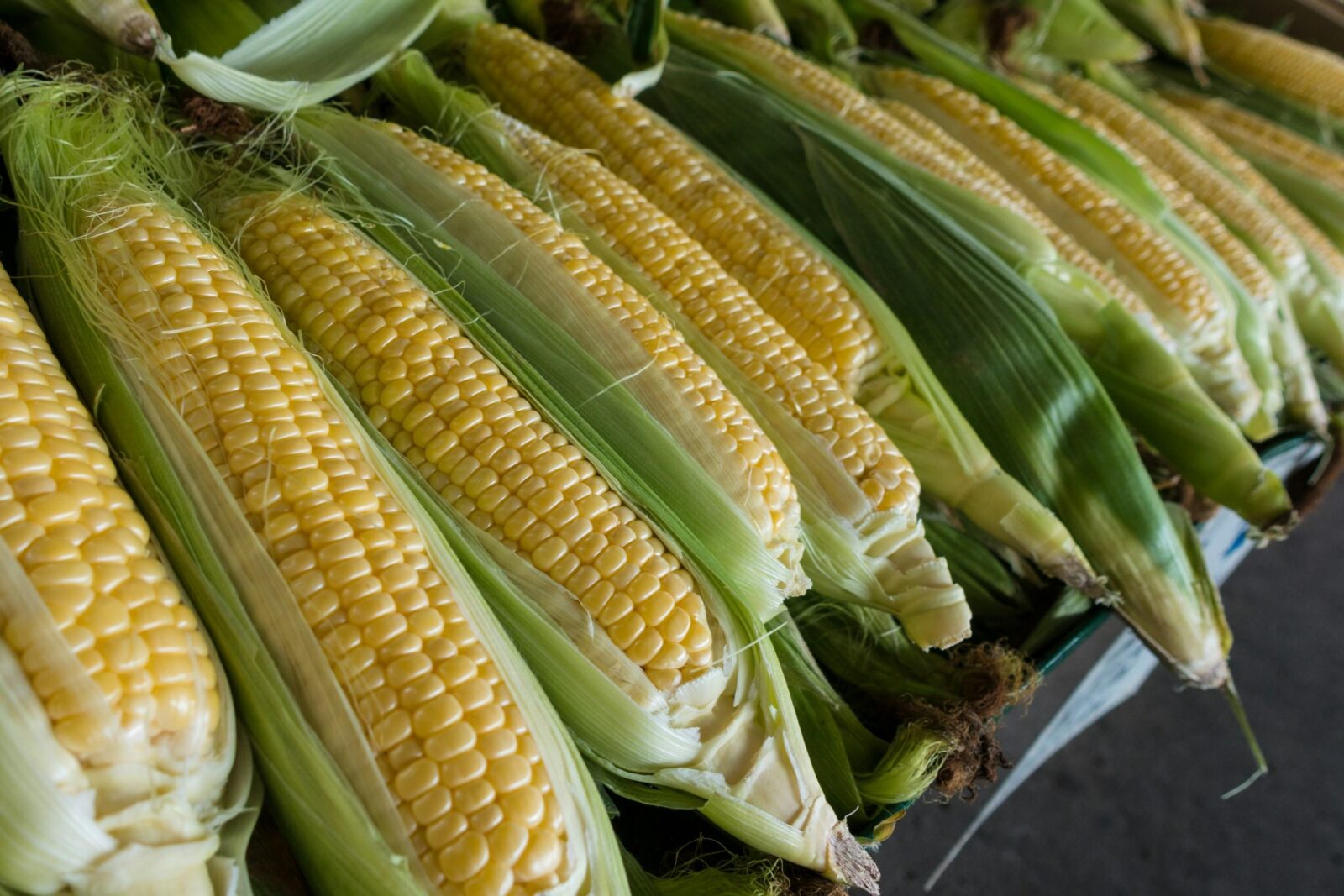
Innovative Approaches to Corn Processing: Evaluating the Impact of Modern Optimization Techniques on Yield and Quality
Innovative approaches to corn processing have increasingly leveraged modern optimization techniques to enhance both yield and quality. Notably, advanced algorithms such as genetic algorithms (GA) and artificial neural networks (ANN) are utilized to fine-tune various parameters in the processing stage. For instance,using neural networks to predict optimal moisture levels can significantly affect starch gelatinization,directly impacting the yield of fermented products. the integration of these technologies allows for adjustments based on real-time data, including temperature and pressure, maximizing efficiency across several specifications:
- Moisture Content: Precision control can reduce losses during drying.
- Temperature Regulation: Maintaining optimal thermal conditions enhances enzymatic activity.
- Processing Time: Shortened cycles can lead to energy savings and increased throughput.
The performance of these innovative methods, however, is not without limitations. For example, while GAs provide robust solutions across multidimensional landscapes, their computation demands can increase significantly with the size of parameter spaces, perhaps requiring more extensive computational resources. Additionally,reliance on complex models can lead to overfitting,where the system performs well under specific conditions but poorly in broader applications. As evidenced in a recent comparative study (see Table 1), traditional methods such as conventional batch processing remained effective in less convoluted scenarios, primarily due to their lower operational costs.Therefore, while modern optimization techniques provide an avenue for enhanced yield and product quality, careful consideration of their implementation—along with a cost-benefit analysis—remains essential.
| Technique | Yield Improvement (%) | Cost Efficiency (USD/unit) | Processing Time (hrs) |
|---|---|---|---|
| Genetic Algorithms | 18 | 2.50 | 1.5 |
| Artificial Neural Networks | 15 | 3.00 | 1.2 |
| Conventional Batch Processing | 10 | 1.80 | 2.0 |

Engineering Corn: A Technical Examination of Material Properties and Their Influence on Processing Efficiency
the engineering of corn involves a deep understanding of its material properties, which play a critical role in optimizing processing efficiency. Corn is primarily composed of starch, protein, fiber, and lipids, each contributing to its functional characteristics during processing. The granule morphology of starch influences its gelatinization temperature, which is typically within the range of 60-80°C for corn starch. This property is essential in processes like extrusion and the production of syrups. The mechanical behavior, such as the tensile and compressive strength of corn kernels, varies with moisture content, typically reaching optimal processing efficiency at around 14% moisture. Understanding how these physical characteristics affect grain handling is vital for minimizing breakage and maximizing yield. Moreover, the viscosity profile of corn starch, determined by its amylose-to-amylopectin ratio, directly impacts its flow properties in viscous systems, further influencing processing conditions and overall efficiency.
During corn processing, notably in methods like dry milling and wet milling, several criteria must be evaluated for process optimization. Key performance factors include temperature control,shear forces,and residence time in processing equipment. for instance, in wet milling, maintaining specific temperatures (around 55-65°C) can reduce energy consumption and increase starch recovery rates. Moreover, the selection of processing equipment, such as roller mills versus hammer mills, necessitates careful consideration of the grain’s moisture content and kernel hardness. In comparative analyses, yield specifications obtained from wet milling typically exceed those of dry milling, providing a better separation of components like glucose and protein, essential for food, feed, and bioproduct applications. Though, limitations arise in the form of processing time and operational costs, necessitating ongoing optimization and performance evaluation to achieve the best balance between yield and efficiency.

Comparative Insights into Yield Specifications: Balancing Performance and Limitations in Corn processing Technologies
Understanding yield specifications in corn processing technologies necessitates a granular analysis of various methodologies and their inherent performance limits. Key mechanisms involved in optimizing corn yield include enzymatic hydrolysis,dry milling,and wet milling processes,each presenting distinct operational criteria that ultimately affect the yield. Such as, the dry milling technique, while cost-effective, typically yields a lower percentage of flour, usually around 70-75% of the total grain weight. In contrast, wet milling allows for higher extraction rates, frequently enough exceeding 90%, but it also introduces increased complexity and equipment costs. Below is a comparative overview of these techniques:
| Processing Method | Typical Yield (% of Grain Weight) | Processing Complexity |
|---|---|---|
| Dry milling | 70-75% | Low |
| Wet milling | >90% | High |
When contemplating the transition from one processing method to another, performance factors such as energy consumption, maintenance overhead, and environmental impact must also be weighed. As an example, wet milling generally requires higher levels of water and can result in increased wastewater production, necessitating effective waste management strategies to mitigate environmental repercussions. Conversely, the lower water requirement in dry milling often translates to lesser energy consumption but may limit the production of value-added products such as high-fructose corn syrup. Additionally, the adaptability of each method under varying corn quality is crucial—low-quality corn may yield poorer results in wet milling compared to high-quality feedstocks, leading to discrepancies in comprehensive performance evaluations. These considerations articulate a need for processors to align their choice of technology with strategic business objectives and sustainability goals.

Maximizing Process Efficiency: A Comprehensive Analysis of Methodological Advances and Their Implications for Corn Industry Standards
Maximizing process efficiency in the corn industry entails a thorough examination of methodological advancements that enhance production standards and quality outcomes. Recent innovations in processing techniques have revolutionized the efficiency metrics associated with corn, specifically in areas like hybrid selection, mechanical processing, and enzymatic treatments. As an example, the introduction of high-throughput hybridization technologies has facilitated the rapid growth of corn varieties optimized for specific end-uses, ranging from biofuel production to food processing. factors influencing these advancements include:
- Yield Specifications: Targeted hybrid varieties can significantly increase starch, protein, and oil content, thus fulfilling specific market demands.
- Process Logic: Continuous processing techniques, such as wet milling and dry milling, utilize innovative equipment like dual-stage grinders to minimize energy consumption while maximizing output.
- Enzyme Efficiency: The submission of new enzyme formulations, which expedite the breakdown of polysaccharides, has shown up to a 15% improvement in conversion rates during ethanol production.
Though, despite these advancements, limitations persist that demand ongoing evaluation. For instance, while process automation enhances throughput, it may lead to increased initial capital expenditures and requires stringent maintenance protocols to ensure optimal performance. Performance factors such as machine calibrations, operational downtime, and waste management protocols also play a crucial role in determining overall process efficiency. A comparative analysis of different methodologies underscores the necessity for the industry to adopt standardized benchmarks that facilitate the identification of best practices. When synthesizing these technical insights, industry stakeholders can leverage performance data to develop a robust framework that not only optimizes process efficiency but also aligns with sustainability goals.
Key Takeaways
the evolution of corn processing technology represents a captivating intersection of tradition and innovation. As we have explored the various optimization techniques, yield specifications, and efficiency factors, it becomes clear that the future of corn processing is not just about maximizing output but also about embracing sustainable practices that respect both the habitat and the communities involved.
The advancements in this field are not merely technical achievements; they are reflections of a broader commitment to improving agricultural practices and food production systems. By understanding and analyzing different methodologies,stakeholders can make informed decisions that enhance productivity while minimizing waste.
As technology continues to advance, it opens up new horizons for research and development that will inevitably reshape the landscape of corn processing. This ongoing journey toward optimization will require collaboration among scientists, engineers, and farmers alike, all of whom play integral roles in bringing these innovations to life.
Ultimately, the path forward is paved with opportunities to not only refine corn processing techniques but also to contribute positively to the agricultural sector as a whole. As we move into a future enriched by these advancements, the significance of thoughtful innovation in corn processing cannot be overstated; it is a testament to our collective ability to harness technology for a sustainable and efficient agricultural future.