
Unveiling Corn’s Journey: From Field to Processed Products
Corn, often referred to as maize, is more than just a staple food—it is a vibrant tapestry woven into the very fabric of our daily lives. From the golden fields of the Midwest to the bustling processing plants, the journey of corn is a fascinating narrative of nature, innovation, and transformation. As we embark on this exploration, we will peel back the layers of this remarkable crop, tracing its origins in ancient civilizations to its contemporary applications that extend far beyond the dinner table. Join us as we unravel the intricate path that corn takes, highlighting its crucial role in agriculture, industry, and our culinary experiences, and celebrate the journey that has turned this humble grain into a cornerstone of global sustenance.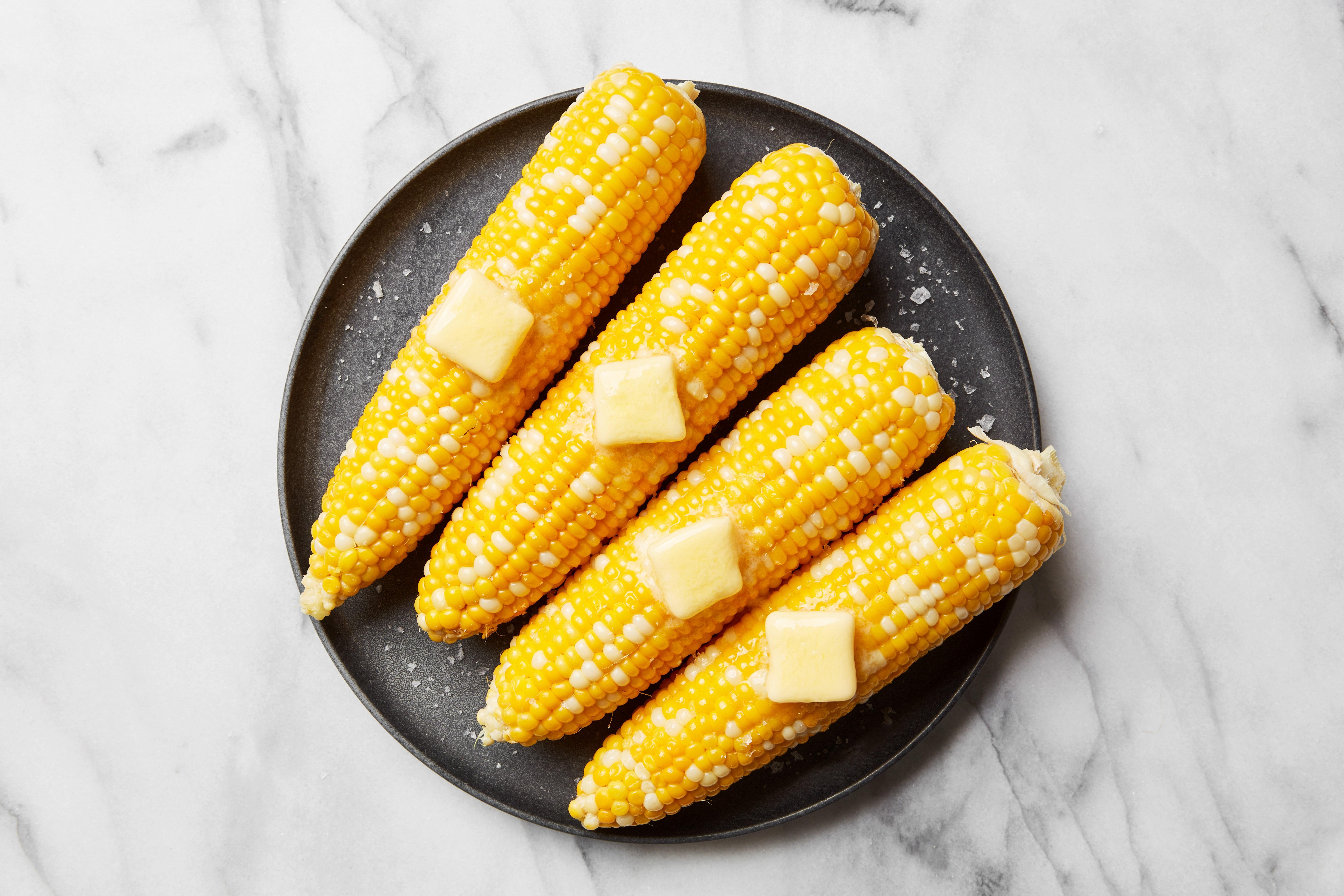
Understanding the Cultivation Processes of Corn
Corn cultivation, a sophisticated dance between nature and technique, commences with the careful selection of high-quality seeds that are suited for the local climate and soil conditions. Farmers prepare the soil through a series of mechanical and chemical processes, including tilling and fertilizing, to ensure a nutrient-rich environment where corn can thrive. Once prepared, the seeds are sown, often using advanced machinery that allows for precise planting depth and spacing, vital for optimal growth. Throughout the growth period, farmers monitor the fields for weeds, pests, and diseases, employing practices such as crop rotation and integrated pest management to maintain the health of their crops.
As the corn matures, water management becomes crucial; methods like drip irrigation or rainwater harvesting may be utilized to conserve resources while promoting healthy growth. Farmers typically rely on data-driven approaches, thus employing technology such as satellite imagery and soil sensors to inform their decisions. Once harvested, the corn is transported to processing facilities where it undergoes cleaning, drying, and milling. The journey doesn’t end there, as corn can then be transformed into a myriad of products, including flour, syrup, and biofuels, reflecting the versatility and importance of this crop in various industries.
| Stage | Description |
|---|---|
| Seed Selection | Choosing seeds based on climate and soil suitability. |
| Soil Preparation | Tilling, fertilizing, and enriching the soil for planting. |
| Growing | Monitoring water, pests, and nutrients throughout growth. |
| Harvesting | Collecting mature corn and preparing for processing. |
| Processing | Transforming corn into various products like syrup and fuel. |

Exploring the Transformation: From Harvest to Consumption
The adventure of corn begins in the lush fields where it flourishes under the sun, nurtured by tender hands and rich soil. Once harvested, corn undergoes a meticulous process to ensure its journey to our tables is both efficient and flavorful. The transition from field to factory involves several stages, where the corn is sorted, cleaned, and dried, preserving its quality and integrity. Here, dedicated workers strive to maintain the essence of this vibrant crop, ensuring only the best kernels move forward in the process. The transformation doesn’t stop at the factory gates; it’s just the beginning of a broader journey.
After processing, corn takes on many forms, offering a myriad of products for diverse culinary applications. The range is impressive, showcasing the versatility of this humble crop:
- Whole Kernels – Ideal for salads and side dishes
- Corn Flour – A staple for gluten-free baking
- Popcorn – A favorite snack, perfect for movie nights
- High Fructose Corn Syrup – A widely used sweetener
- Animal Feed – Supporting livestock and poultry
As corn journeys from the field to your plate, it passes through various processes that preserve its nutrients and enhance its utility. The table below illustrates some of the primary stages involved in this transformative process:
| Stage | Description |
|---|---|
| Harvesting | Collecting ripe corn from fields |
| Cleaning | Removing debris and ensuring quality |
| Processing | Transforming corn into various products |
| Packaging | Preparing products for distribution |
This intricate journey not only highlights the importance of corn in our diets but also celebrates the dedication involved in bringing this essential crop from the soil to our tables.

Sustainability in Corn Processing: Challenges and Solutions
The corn processing industry is at a crossroads, facing significant challenges that stem from both environmental and operational factors. As demand for corn-derived products continues to escalate, achieving sustainability becomes more critical than ever. Key issues include resource depletion, waste management, and carbon emissions. To combat these hurdles, industries must explore innovative practices such as adopting precision agriculture techniques and optimizing water usage. Additionally, investing in renewable energy sources for processing plants can considerably diminish the carbon footprint, facilitating a more responsible approach to corn processing.
On the solution front, companies are increasingly turning to technology and collaboration. By utilizing biotechnology to develop drought-resistant corn varieties, growers can enhance yield with fewer resources, reducing the strain on water systems. Implementation of closed-loop systems in processing facilities can minimize waste and maximize byproduct utilization. A shift towards circular economy practices — where waste from one process becomes input for another — further contributes to sustainable corn processing. The following table illustrates key sustainability practices and their corresponding benefits:
| Practice | Benefits |
|---|---|
| Precision Agriculture | Reduces resource input and enhances yield |
| Renewable Energy Use | Decreases carbon emissions and lowers operational costs |
| Closed-Loop Systems | Minimizes waste and creates new product opportunities |
| Circular Economy | Enhances resource efficiency and promotes sustainability |

Innovations in Corn Products: Future Trends and Recommendations
As consumer demand for healthy and sustainable products increases, innovations in the processing and utilization of corn are evolving rapidly. Researchers and food scientists are exploring various applications that extend beyond traditional uses, aiming to create value-added products that appeal to a more conscious market. Innovations include the development of biodegradable packaging materials derived from corn starch, which significantly reduces plastic waste while maintaining functionality. Additionally, the burgeoning field of cellular agriculture is leveraging corn as a platform for cultivating meat alternatives, reshaping consumer diets with sustainable protein sources.
Amidst these trends, recommendations for stakeholders in the corn product industry are becoming imperative for future growth. Companies should focus on collaboration with agricultural researchers and food technologists to innovate in the areas of flavor enhancement and nutritional profiling. Engaging in consumer education about the health benefits and versatility of corn-based products can also bolster market acceptance. Key recommendations include:
- Investing in R&D: Focus on developing novel corn varieties with enhanced nutrient profiles.
- Emphasizing Sustainability: Adopt eco-friendly practices in corn cultivation and processing.
- Fostering Transparent Supply Chains: Ensure traceability of corn products from field to consumer.
To visualize the potential of these innovations, consider a simple comparison of conventional versus innovative corn applications:
| Traditional Uses | Innovative Applications |
|---|---|
| Animal feed | Plant-based proteins |
| Corn syrup | Natural sweeteners |
| Food thickeners | Bioplastics |
Key Takeaways
As we conclude our exploration of corn’s remarkable journey from flourishing fields to processed products, we stand at the intersection of nature and innovation. This versatile grain, a staple in diets around the globe, undergoes a fascinating metamorphosis that transforms it into an array of ingredients and goods that we often take for granted. From the moment the corn is harvested, each step—be it milling, refining, or fortifying—reveals the intricate dance of technology and tradition that fuels our modern food systems.
Understanding this journey not only deepens our appreciation for the corn on our plates but also reminds us of the countless hands and processes involved in bringing these products to life. As we honor the labor that cultivates and processes this essential crop, we are encouraged to ponder our own consumption choices and their broader implications on agriculture, economy, and sustainability.
In unveiling corn’s journey, we’ve illuminated a path that is at once rich and complex. As you reflect on this golden grain, consider the stories it tells—from the sun-soaked fields of the Midwest to the bustling factories where it becomes a vital component of our daily lives. Let this knowledge inspire a greater connection to the food on our tables and the environments that make it possible, reminding us that even the simplest ingredients hold within them a universe of effort and ingenuity.



