
From Grain to Gourmet: The Journey of Rice Processing
Rice, a staple food for more than half of the world’s population, holds a special place in the culinary landscape, celebrated for its versatility, cultural significance, and nutritional value. But have you ever pondered the intricate journey this humble grain undertakes before it graces our plates? From the lush fields where it is cultivated to the sophisticated kitchens where it is transformed into gourmet dishes, rice undergoes a remarkable metamorphosis. In this article, we will unravel the fascinating process of rice processing, exploring each stage from harvesting and milling to packaging and preparation. Discover how traditional methods and modern technology converge to elevate this basic grain into a cornerstone of culinary artistry, revealing the care, craftsmanship, and innovation woven into every grain of rice.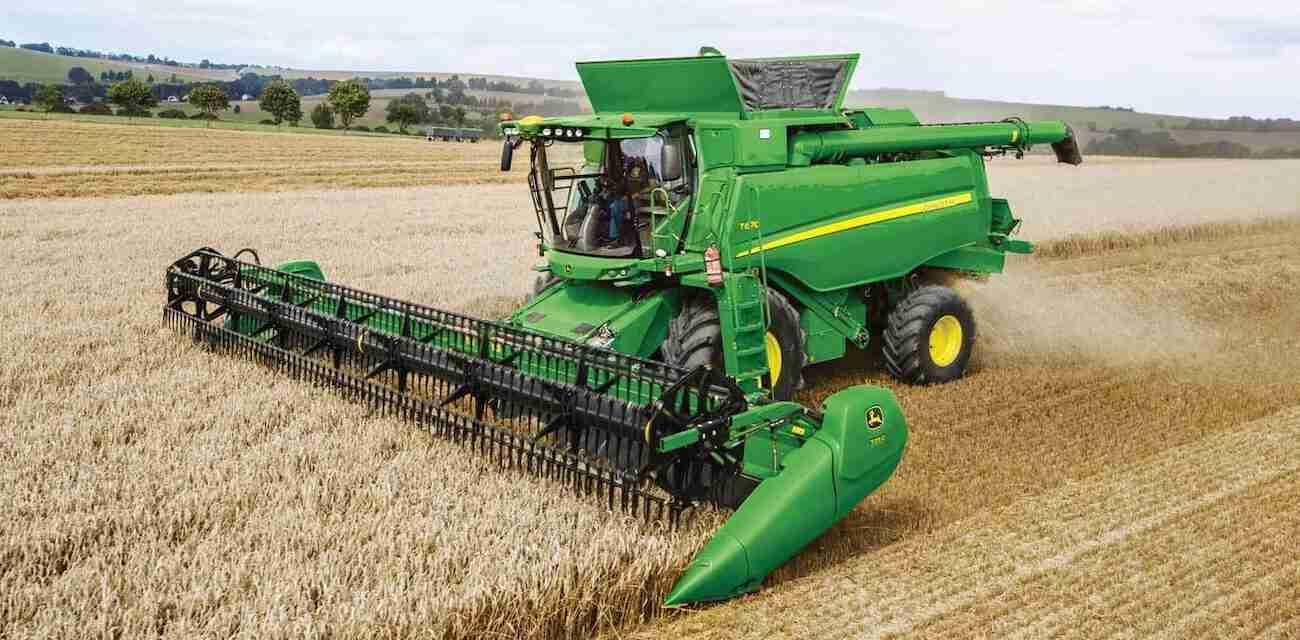
The Art of Harvesting: Understanding the First Steps in Rice Cultivation
The first steps in cultivating rice involve a delicate interplay of nature and skill, where understanding the land’s nuances is crucial. Farmers begin by selecting a suitable piece of land, typically low-lying areas that can retain water, as rice thrives in flooded conditions. The soil is then tilled to enhance its texture and promote aeration, preparing it for planting. This is accompanied by careful water management, ensuring that the fields are flooded to create an ideal habitat for the rice seedlings. Key factors, such as sunlight, water availability, and soil fertility, play an essential role at this stage, as they set the foundation for a bountiful harvest.
Once the land is prepped, it’s time for sowing. Farmers often choose between broadcasting seeds directly onto the fields or transplanting seedlings from nurseries. Each method has its own merits and requires different levels of care and timing. After sowing, maintaining optimal conditions through weeding and pest control becomes vital. The fulfillment of this labor becomes apparent as the rice plants grow strong and lush, eventually leading to a landscape dotted with golden grains. A well-timed harvest is critical, as it ensures the rice is gathered at its peak flavor and nutritional value, initiating the transformation from an unassuming plant to a culinary staple.
| Step in Cultivation | Key Practices |
|---|---|
| Land Preparation |
|
| Sowing Techniques |
|
| Maintenance |
|

Milling Techniques: Transforming Rough Rice into Culinary Gems
Milling is a transformative practice that elevates rough rice into the polished grains cherished by chefs and home cooks alike. The process begins with hulling, where the hard outer shell is removed, unveiling the white or brown rice within. What follows is the milling phase, which involves several meticulous steps to remove the bran layer, enhancing starch content while preserving essential nutrients. This stage not only contributes to the grain’s texture but also plays a crucial role in defining its cooking properties and flavor profile. Throughout this phase, the rice is polished and graded into various categories, each suited for different culinary applications.
The art of milling extends beyond mere processing; it brings an array of variations in rice grains that cater to diverse culinary traditions. Consider the following types of rice produced from milling:
| Rice Type | Description | Common Uses |
|---|---|---|
| White Rice | Highly refined, with a delicate flavor and smooth texture. | Stir-fries, sushi, and pilafs. |
| Brown Rice | Whole grain with the bran layer intact, offering a nutty flavor. | Salads, grain bowls, and health-conscious dishes. |
| Parboiled Rice | Partially boiled in the husk, retaining nutrients and enhancing texture. | Cajun dishes, soups, and casseroles. |
Ultimately, each milling technique serves a purpose, yielding grains that reflect not just a depth of flavor but also the cultural significance inherent to rice itself. The journey from rough rice to culinary gems is marked by precision and craftsmanship, ensuring that every grain contributes its unique essence to a dish. Whether it’s a fragrant biryani or the simple comfort of a rice bowl, the milling process immortalizes the grain’s potential in the culinary world.

Quality Control: Ensuring Top-Notch Grains for Gourmet Creations
The journey of rice from field to plate is not merely a tale of agriculture; it’s a meticulous art form that weaves quality control into every step of the process. To ensure that each grain meets the standards of gourmet creations, several layers of scrutiny are involved. Visual inspection is often the first step, where expert eyes discern the quality based on color, size, and shape. Following this, moisture testing is conducted to optimize shelf life and prevent spoilage, as excess moisture can lead to unsightly and unpalatable results. Furthermore, taste testing samples are an essential practice, allowing producers to gauge the flavors and textures that ultimately define high-quality rice.
Beyond these initial evaluations, the processing facility employs sophisticated machinery equipped with advanced technology to screen and polish the rice further. This stage involves removing impurities that can mar the final product, including stones, husks, and off-color grains. Through automated sorting, rice is separated based on size and quality, ensuring that only the finest grains carry forth into the market. A commitment to quality is reinforced in the supply chain, where producers and distributors engage in regular quality assessments and maintain transparency about their sourcing practices. Below is a simplified overview of the quality control processes that elevate rice beyond its humble origins:
| Quality Control Step | Purpose |
|---|---|
| Visual Inspection | Identify defects and inconsistencies |
| Moisture Testing | Prevent spoilage and ensure longevity |
| Taste Testing | Evaluate flavor and texture |
| Automated Sorting | Eliminate impurities and maintain quality |
| Regular Assessments | Ensure compliance and transparency |
From Farm to Table: Sustainable Practices in Rice Processing
In the modern landscape of rice processing, sustainability is no longer just a buzzword; it has become a vital practice that underpins every step of the rice journey from the field to our plates. By integrating eco-friendly techniques throughout the processing stages, producers can significantly reduce their environmental impact. This begins with the cultivation of rice: farmers employ methods like crop rotation, organic fertilization, and integrated pest management to enhance soil health and biodiversity while minimizing chemical inputs. The use of water-efficient irrigation systems, such as drip or alternate wetting and drying (AWD), helps preserve water resources while maintaining rice yields.
Once harvested, the processing phase embraces practices that further advocate for sustainability. Some key methods include:
- Energy-efficient milling: Employing advanced machinery that consumes less energy, thus reducing the carbon footprint.
- Byproduct utilization: Transforming husks into biomass fuels or creating valuable animal feed from rice bran cuts down waste.
- Water recycling systems: Reusing water in different stages of processing to minimize waste and conserve precious resources.
Embracing these sustainable practices not only benefits the environment but also enhances the overall quality of rice. A mindful approach leads to healthier grains that retain their nutritional value while offering consumers a product rooted in responsibility and care for the planet.
Wrapping Up
As we conclude our exploration of the journey from grain to gourmet in the world of rice processing, it’s clear that this simple staple is anything but ordinary. From the lush rice paddies where each grain begins its life to the meticulous processes that transform it into a culinary delight, rice embodies a rich tapestry of tradition, innovation, and culture.
Every grain tells a story, shaped by the hands that cultivate, harvest, and refine it into the diverse varieties we enjoy today. Whether it’s the fragrant basmati of South Asia, the sticky sushi rice of Japan, or the hearty brown rice that nourishes many around the globe, understanding this journey deepens our appreciation for each bite.
Next time you savor a plate of rice, remember the intricate journey it undertook. The blend of nature and human ingenuity highlights not only our ability to transform raw ingredients but also our connection to the world around us. In each grain lies not just sustenance but a reminder of the artistry, patience, and passion that bring this humble food into our kitchens. So let us celebrate the journey of rice, a testament to the intricate dance between land, labor, and love, and the delicious meals that result from it.



