
The Art and Science of Cereal Milling: Grain to Flour
In the quiet hum of a mill, where nature’s bounty meets human innovation, the journey from grain to flour unfolds like an ancient ritual steeped in both tradition and technology. Cereal milling, often overlooked in its artistry, is a delicate dance of precision and creativity, converting simple grains into the fundamental ingredient of countless recipes worldwide. From the moment a farmer harvests the golden wheat fields to the instant a baker sprinkles flour onto a countertop, a complex interplay of agricultural science, mechanical engineering, and culinary alchemy takes shape. This article delves into the intricate processes that lie behind cereal milling, exploring the meticulous methods, cutting-edge technologies, and rich history that transform unassuming grains into the versatile flour that feeds our imaginations and sustains our daily lives. Join us as we unravel the multifaceted world of cereal milling, where every grain tells a story and every batch of flour is a testament to an age-old craft redefined by modern science.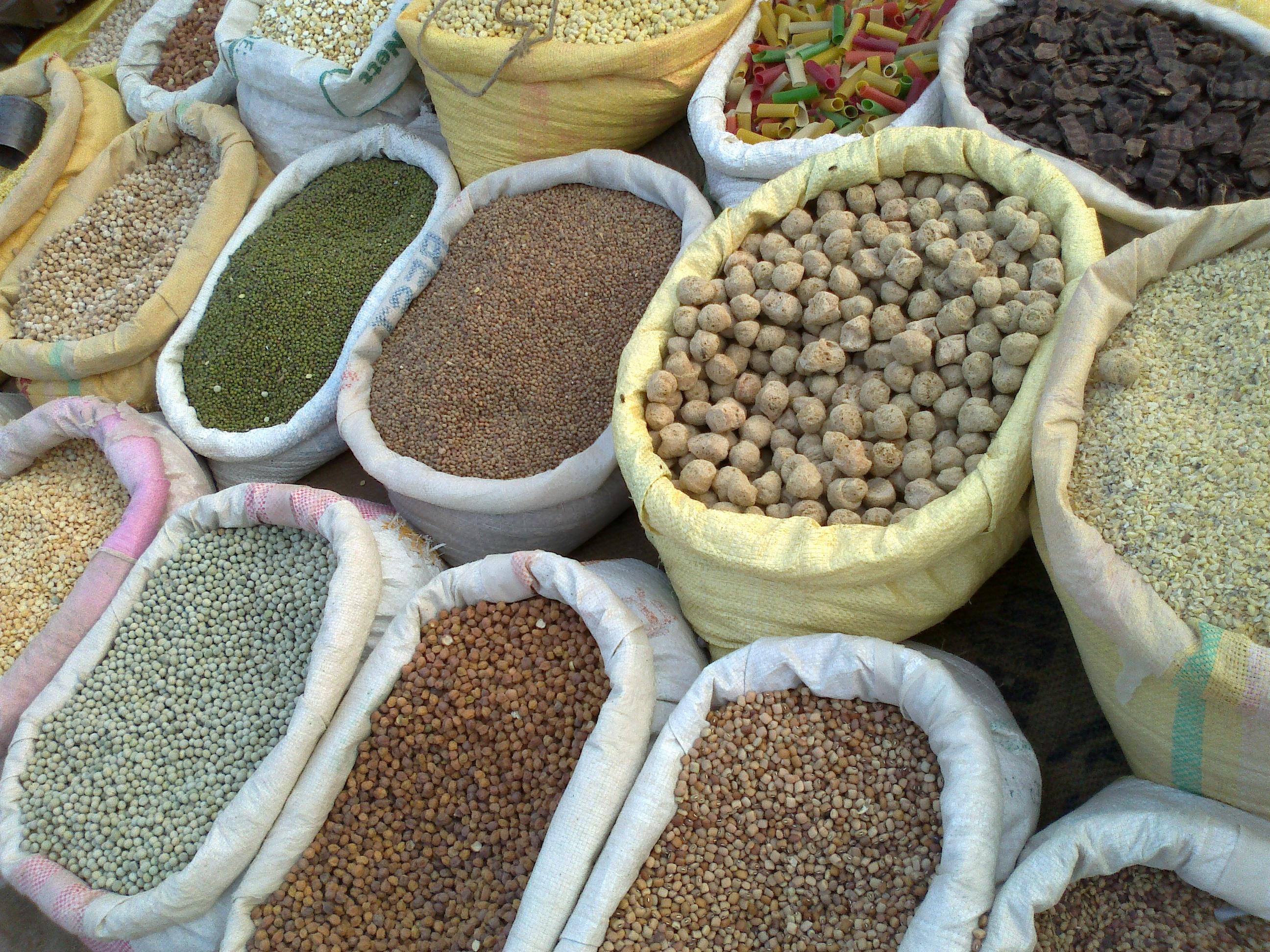
Understanding the Grain: Selecting the Right Varieties for Optimal Flour Quality
When it comes to producing high-quality flour, the variety of grain selected plays a pivotal role in determining the end product’s characteristics. Different grains exhibit unique attributes, from protein content to gluten strength, which significantly influence flour performance. Hard wheat, with its high protein levels, is ideal for bread-making due to its ability to develop strong gluten networks, while soft wheat is preferred for pastries and cakes, producing a tender crumb with a delicate texture. The decision between these varieties should depend on the desired application of the flour, as well as the moisture content and climate conditions of the growing regions, which can impact grain quality.
Furthermore, the milling process itself must align with the grain variety selected to optimize flour quality. Factors such as extraction rates, mill type, and temperatures during milling contribute to the final product. A well-sourced grain paired with appropriate milling techniques can lead to enhanced sensory and functional properties of the flour. To illustrate this, consider the following table that summarizes key attributes and recommended uses for various grain types:
| Grain Type | Protein Content | Typical Uses |
|---|---|---|
| Hard Red Wheat | 12-15% | Bread, bagels, rolls |
| Soft Red Wheat | 8-10% | Cakes, cookies, crackers |
| Durum Wheat | 13-15% | Pasta, semolina |
| White Wheat | 10-12% | Breads, Asian noodles |
The Milling Process Unveiled: Techniques and Technologies Behind Flour Production
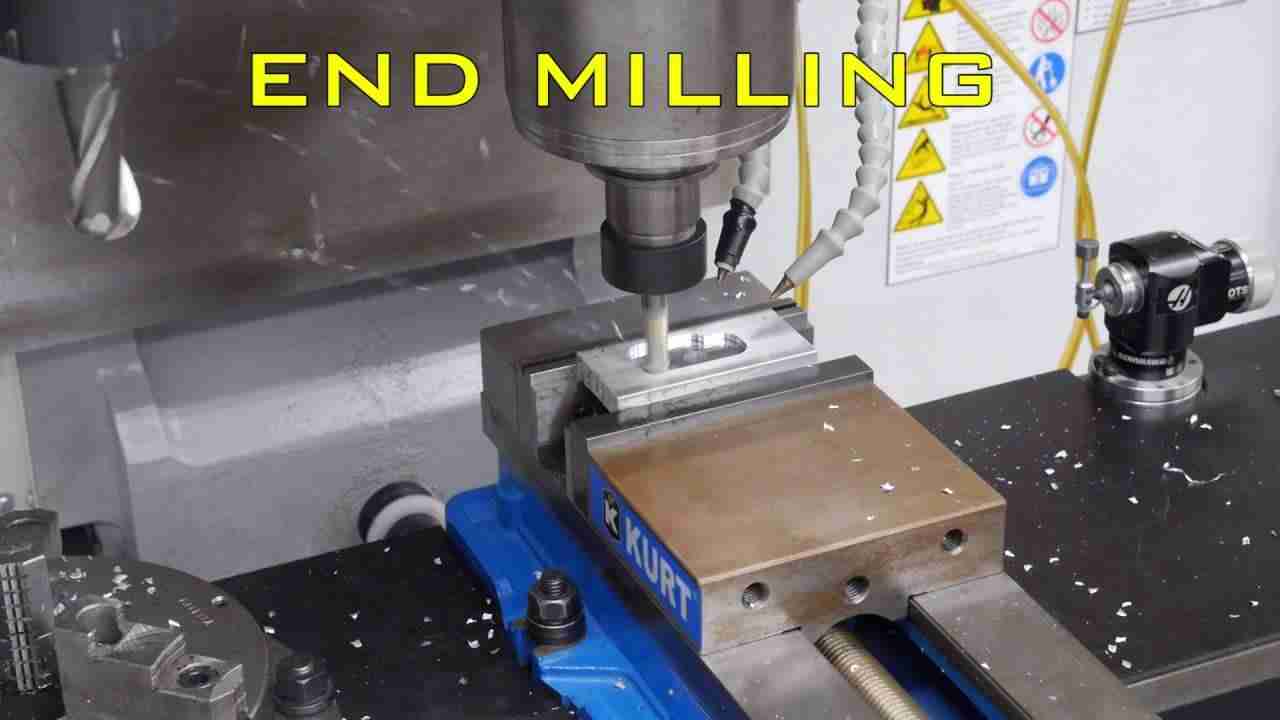
The milling process is a captivating blend of artistry and precise science, where raw grains are transformed into the fine flour we often take for granted. At the heart of this transformation lies a series of time-honored techniques and innovative technologies that work in harmony to ensure the highest quality end products. Key elements of the milling process include the following:
- Cleaning: Before milling begins, grains are meticulously cleaned to remove impurities like stones, dirt, and dust.
- Grading: Grains are sorted based on size, weight, and quality, ensuring uniformity and optimal milling efficiency.
- Grinding: The heart of milling occurs here, where grains are subjected to mechanical forces that break them down into finer particles.
- Sifting: After grinding, flour is sifted to separate finer particles from coarser ones, ensuring a consistent texture.
- Classifying: Different types of flour can be produced depending on the grain and the desired end use, from pastry to bread flour.
Technological advancements have further enhanced these traditional methods, introducing sophisticated equipment and control systems that maximize efficiency and output quality. Consider the following modern technologies that have revolutionized the milling industry:
| Technology | Benefits |
|---|---|
| Roller Mills | Provide precise grinding control and produce consistent particle sizes. |
| Air Classifiers | Enhance separation of flour particles, leading to improved texture and quality. |
| Automation Systems | Streamline operations, reduce waste, and enhance safety in milling processes. |
Quality Control in Milling: Ensuring Consistency and Excellence in Flour
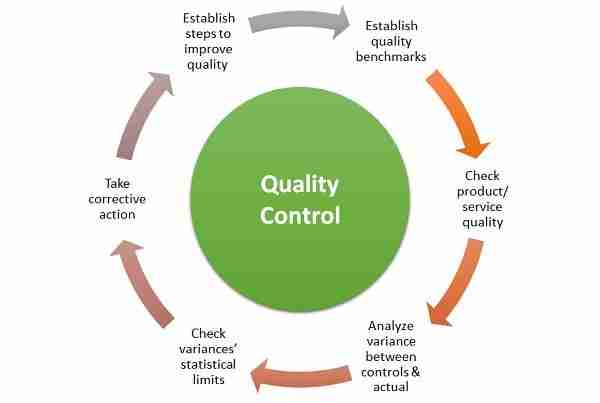
In the intricate process of converting grain to flour, quality control stands as a pivotal element that dictates both the consistency and overall excellence of the final product. Flour, being a staple ingredient in an array of culinary delights, necessitates stringent monitoring throughout the milling process. Effective quality control measures encompass several key aspects that ensure each batch meets the desired specifications:
- Raw Material Testing: Evaluating the quality of incoming grains for moisture content, protein levels, and foreign material.
- In-Process Monitoring: Continuous checks during milling to assess particle size distribution and ensure optimal milling conditions.
- Final Product Evaluation: Rigorous testing of flour for its baking performance, taste, and texture to confirm consistency with established standards.
Moreover, the amalgamation of traditional techniques and modern technology enhances the reliability of quality control systems in milling. Many mills utilize advanced analytical tools, including spectrometry and imaging systems, to provide real-time feedback on flour quality. These innovations allow millers to promptly adjust their processes, thus minimizing waste and ensuring that each batch of flour meets the rigorous demands of bakers and food manufacturers alike. Below is a simplified overview of the stages involved in quality control and their corresponding purposes:
| Quality Control Stage | Purpose |
|---|---|
| Raw Material Testing | Establishes grain quality and suitability for milling. |
| In-Process Monitoring | Ensures adherence to production specifications. |
| Final Product Evaluation | Confirms performance and quality for end use. |

Innovations in Cereal Milling: Trends Shaping the Future of Grain Processing
As grain processing technologies continue to advance, the industry witnesses a wave of innovations that are transforming the landscape of cereal milling. Automation, for instance, has taken center stage, enhancing precision and efficiency throughout the milling process. From state-of-the-art control systems that monitor grain quality to smart sensors that analyze moisture levels, the adoption of advanced machinery is streamlining operations. This not only minimizes waste but also ensures that the end product meets the highest quality standards. Additionally, sustainability has emerged as a pivotal trend, with mills adopting eco-friendly practices such as energy-efficient machinery and waste recycling processes. By harnessing renewable energy sources and implementing water conservation techniques, grain processors are not just improving their profit margins but also contributing to environmental stewardship.
Another groundbreaking trend is the rise of digital technologies in milling operations. The integration of data analytics and machine learning enables millers to gain predictive insights, optimizing maintenance schedules and reducing downtime. This evolution is bolstered by the utilization of Blockchain technology, which ensures traceability in the supply chain and fortifies food safety protocols. Furthermore, innovative milling techniques such as stone milling, which retains more of the grain’s nutrients and natural flavor, are gaining popularity among health-conscious consumers. This resurgence is complemented by advancements in flour fortification, where nutrients are added to enhance the health benefits of flour, catering to a growing demand for functional foods. Together, these innovations paint a picture of a future where cereal milling is not only efficient but also aligns with the evolving preferences of consumers.
In Retrospect
In the delicate dance between art and science, cereal milling stands as a testament to human ingenuity and tradition. From the humble kernels of grain to the fine powdery flour that graces our kitchens, this intricate process is a beautiful fusion of nature’s bounty and technological advancement. Each stage, meticulously honed over centuries, reflects an enduring commitment to quality, sustainability, and the transformative power of grains.
As we conclude our exploration of cereal milling, we invite you to appreciate the journey of flour from field to table. The next time you indulge in a warm loaf of bread or a bowl of wholesome pasta, remember the skilled millers and the sophisticated machinery that brought these staples to life. This silent but vital link in our food chain not only nourishes our bodies but also connects us to the intricate web of agriculture, history, and culinary art.
In savoring the fruits of this labor, let us also embrace a deeper understanding of the processes that sustain us, honoring the blend of tradition and innovation that continues to shape our world. While the milling process may seem routine, it is, in fact, a remarkable narrative of craftsmanship, dedication, and the relentless pursuit of excellence—a story that deserves to be celebrated with every bite.



