
From Cob to Table: The Intricacies of Corn Processing
Corn, a staple woven into the very fabric of culinary traditions across the globe, is more than just a bright yellow kernel. It holds the essence of cultures, histories, and flavors that have nourished generations. Yet, the journey from cob to table is often shrouded in complexity, beckoning a closer examination of the processes that transform this humble grain into a myriad of dishes we cherish. In this exploration, we will unravel the intricacies of corn processing—shedding light on the techniques, technology, and traditions that elevate corn from mere harvest to a versatile ingredient. Join us as we delve into the fascinating world of corn, where each step reveals a story of innovation and dedication, celebrating not only the grain itself but the hands that cultivate and craft it.
Understanding the Journey of Corn from Field Harvest to Culinary Delight
From the moment corn is harvested, the journey transforms this vibrant crop into a myriad of culinary delights. Harvesting involves skilled hands, often aided by machinery, which carefully strip the shiny kernels from the cob, ensuring minimal damage. The freshly harvested corn is then swiftly transported to processing facilities where it undergoes rigorous cleaning and sorting. During this stage, the corn is subjected to careful inspection to remove any defective or underdeveloped ears, promoting quality and flavor for the end consumer. Following this, the corn is prepared for several processing methods, including freezing, canning, or milling. Whichever path it takes, preservation and flavor enhancement remain paramount throughout the process.
Once processed, corn enters the next phase of its lifecycle—culinary transformation. From cornmeal used in rustic bread to sweet corn syrup that sweetens our favorite desserts, the versatility of this golden grain is undeniable. In the kitchen, chefs and home cooks alike utilize corn in various ways, celebrating its adaptability. Here’s a brief overview of the diverse products derived from corn:
| Product | Description |
|---|---|
| Cornmeal | Ground corn used for baking and cooking. |
| Popcorn | A popular snack with a crunchy texture, perfect for movie nights. |
| Sweet Corn | Harvested when immature, it’s a delight in salads and side dishes. |
| Corn Syrup | A sweetener derived from corn starch, often found in desserts. |
Through rigorous processing and culinary creativity, corn takes on an essential role in both traditional and contemporary dishes. As it travels from the field to our tables, it embodies a journey rich in flavor and diversity, inviting appreciation for its agricultural heritage and versatility in our daily meals.

Decoding the Processing Techniques: Traditional Methods vs. Modern Innovations
The journey of corn from cob to table reveals a fascinating tapestry of processing techniques that marry tradition with cutting-edge advancements. Traditional methods, often steeped in cultural heritage, rely heavily on manual labor and time-honored practices. These might include drying, grinding, and the age-old process of nixtamalization, where corn is treated with lime to enhance its nutritional value and flavor. Tools like stone mills and hand grinders remain vital in many rural communities, preserving the artisanal quality of corn products such as tortillas and polenta. Conversely, these methods are labor-intensive and can produce inconsistency in texture and taste, which can be a disadvantage in a rapidly industrializing world.
On the other hand, modern innovations have revolutionized the corn processing landscape, introducing techniques that maximize efficiency while maintaining quality. Facilities now utilize automated milling, advanced enzymatic treatments, and high-temperature short-time processing to streamline production. These technologies allow for the production of large quantities with remarkable precision, resulting in uniformity across products. Moreover, the incorporation of biotechnology has led to genetically modified corn varieties that are resistant to pests and diseases, increasing yields and reducing waste. Technologies like these not only cater to the growing global demand for corn products but also address sustainability challenges, making corn processing more viable for future generations.
| Traditional Methods | Modern Innovations |
|---|---|
| Manual labor-intensive processes | Automated systems for efficiency |
| Use of stone mills and hand grinders | Advanced milling technology |
| Artisanal quality control | High-volume production capabilities |
| Small-scale production | Industrial-scale processing |
Nutritional Benefits of Corn: Beyond the Kernel
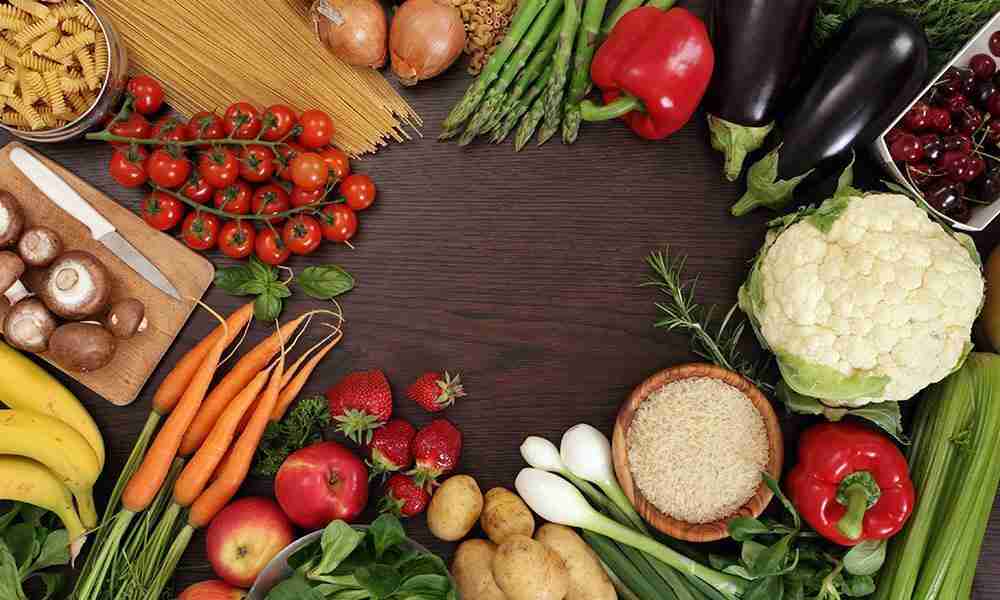
Corn isn’t just a delicious side on the dinner plate; its nutritional profile offers surprising benefits that extend far beyond the kernel. Packed with essential nutrients, corn is a significant source of complex carbohydrates, providing the body with a vital energy source. Additionally, it contains various vitamins and minerals crucial for maintaining overall health, including:
- Vitamin B6: Supports brain function and metabolism.
- Folate: Essential for cell division and production of DNA.
- Magnesium: Plays a critical role in muscle and nerve function.
- Iron: Important for creating red blood cells and transporting oxygen.
Beyond its macro and micronutrients, corn also boasts an impressive fiber content, promoting digestive health and aiding in satiety. This vibrant grain is rich in antioxidants, particularly lutein and zeaxanthin, which are known for their eye health benefits. To better illustrate these advantages, consider the following table highlighting the nutrition found in a standard serving of corn:
| Nutritional Component | Amount per 1 cup ( cooked) |
|---|---|
| Calories | 143 |
| Protein | 5 g |
| Carbohydrates | 31 g |
| Fiber | 3.4 g |
| Sugars | 6 g |

Sustainable Practices in Corn Processing: Balancing Tradition and Technology
In the realm of corn processing, a harmonious blend of age-old traditions and cutting-edge innovations fosters sustainability. Many farmers have begun implementing practices that not only honor traditional methods but also embrace modern technology for efficiency and environmental stewardship. Some of these practices include:
- Crop Rotation: Diversifying crops to enhance soil health and reduce pests naturally.
- Precision Agriculture: Utilizing GPS and analytics to optimize planting and harvesting, minimizing waste and inputs.
- Water Conservation Techniques: Employing drip irrigation and rainwater harvesting to preserve vital resources.
While sustainability is paramount, it’s also essential to recognize the role of technology in enhancing product quality and safety. Innovations such as biotechnology and green chemistry are reshaping how corn is processed, leading to reduced emissions and less reliance on harmful substances. A deeper understanding of these technologies allows for:
| Technology | Benefit |
|---|---|
| Genetic Modification | Increased yield with lower pesticide use |
| Sustainable Manufacturing Practices | Minimized waste and energy consumption |
By merging these sustainable practices with technological advancements, the corn processing industry not only preserves its cultural heritage but also paves the way for a more environmentally friendly future, ensuring that every step from cob to table contributes positively to both society and the planet.
Closing Remarks
As we peel back the layers of corn processing, it’s clear that this humble grain is more than just a staple in our diets; it embodies a rich tapestry of history, culture, and innovation. From the sun-drenched fields where corn is cultivated to the bustling kitchens where it transforms into a myriad of dishes, the journey from cob to table is a fascinating blend of tradition and modernity. Each kernel carries with it stories of the land, the farmers, and the communities that thrive around this golden crop.
By appreciating the intricate processes behind corn, we not only gain insight into the complexities of food production but also foster a deeper connection to the sustenance that nourishes us. So, the next time you savor a bowl of popcorn, a slice of cornbread, or a refreshing elote, take a moment to reflect on the journey this remarkable grain has made. In understanding and honoring this process, we celebrate not just a food, but the very essence of our shared culinary heritage. From cob to table, corn serves as a reminder of the beauty that lies in the intricate relationship between nature, culture, and nourishment.



