
Unlocking the Grains: The Art and Science of Maize Milling
In the heart of many cultures around the world lies a staple that has nourished civilizations and sparked innovation: maize. From the bustling markets of Mexico to the quiet homesteads of Central Africa, this golden grain has transcended mere sustenance; it has become a canvas for creativity and a cornerstone of culinary tradition. But have you ever paused to consider the intricate journey that maize undergoes before it graces your plate? The process of maize milling stands at the intersection of art and science—a meticulous endeavor that transforms whole kernels into the fine flours and wholesome meals we rely on.
As we delve into the world of maize milling, we will uncover not just the technicalities behind this ancient practice, but also the cultural narratives woven into each grain. Every step, from selecting the right variety to mastering the milling techniques, reveals a rich tapestry of knowledge passed down through generations. Whether you’re a seasoned chef, a curious home cook, or simply an aficionado of grains, this exploration promises to illuminate the hidden magic and precision that define maize milling. Join us as we unlock the secrets of this age-old craft and celebrate the vital role maize plays in feeding the world.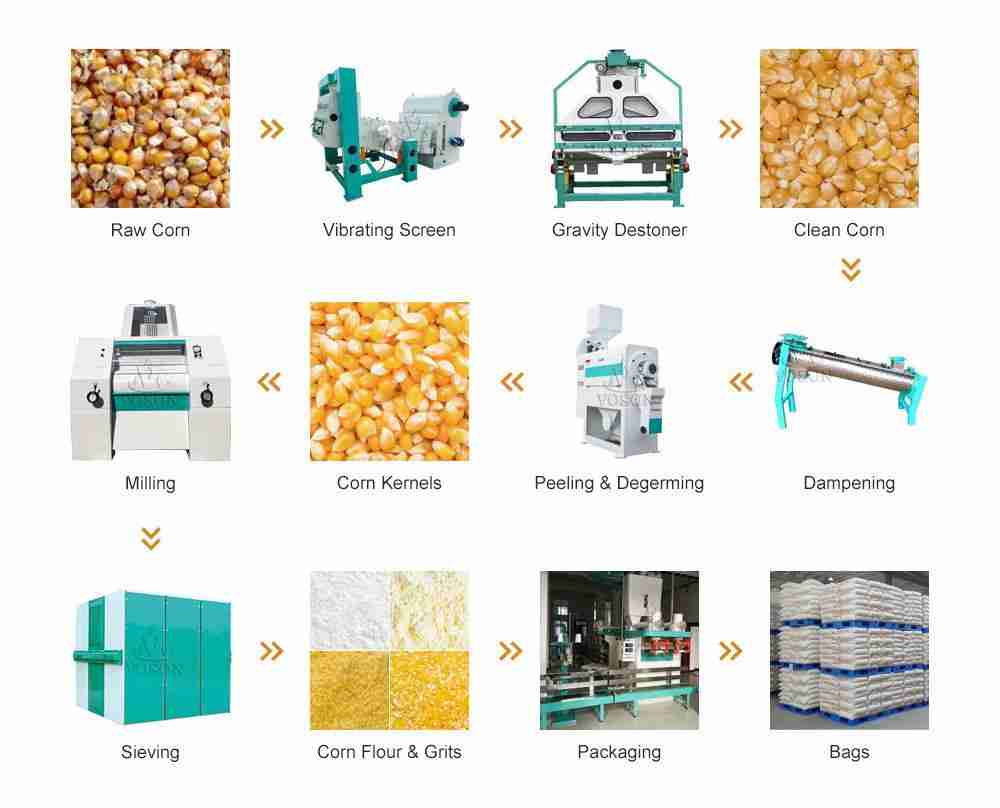
Exploring the Historical Journey of Maize Milling
The historical journey of maize milling is a fascinating tale that intertwines culture, technology, and agricultural evolution. Ancient civilizations were the pioneers in recognizing the value of maize, also known as corn, which played a fundamental role in their diets and economies. Techniques for milling maize can be traced back to the indigenous communities of the Americas, where they utilized tools such as mortar and pestles, grindstones, and later, the quern, a hand-operated stone mill. These methods were labor-intensive but effective in converting whole grains into a form suitable for cooking and consumption. As maize spread across continents, its milling processes evolved, incorporating innovations that would take root in various cultures.
The Industrial Revolution marked a pivotal point in maize milling, leading to the development of mechanized milling systems that transformed the landscape of grain processing. By the late 19th century, advances in technology introduced steam-powered mills, which dramatically increased production efficiency. The introduction of roller mills allowed for finer and more consistent flour, reshaping culinary practices globally. Today, maize milling combines traditional knowledge with modern technologies to meet the demands of a diverse marketplace. Key milestones in this journey include:
- The establishment of the first commercial maize mills in the United States during the 18th century
- Incorporation of sifting and purification techniques for enhanced flour quality
- The rise of global trade in maize products, introducing new flavors and uses across varied cuisines
| Era | Mill Type | Key Innovation |
|---|---|---|
| Ancient | Mortar and Pestle | Manual grinding |
| Middle Ages | Quern Stones | Mechanized by hand |
| Industrial Revolution | Roller Mills | Steam power |
| Modern Era | Automated Mills | Digital technology and precision |

Understanding the Chemistry of Corn: From Kernel to Flour
The chemistry of corn, or maize, encompasses the intricate transformation of each kernel as it undergoes milling. Corn is primarily composed of starch, a polysaccharide that serves as the main energy reserve. When milled, the structural integrity of the starch granules is disrupted, allowing it to gel and absorb water, which is crucial for baking and cooking applications. Additionally, the presence of proteins—including zein, which is unique to maize—contributes to the texture and nutritional profile of corn flour. Thus, understanding how these components interact during milling can significantly affect the end product, leading to variations in flavor, texture, and quality.
In the milling process, several variables come into play that affect the final flour. Among these, the moisture content and the degree of milling define the flour’s qualities, impacting its usability in various culinary applications. Consider the following aspects:
- Moisture Content: Essential for maintaining freshness and preventing spoilage.
- Milling Technique: Stone milling vs. modern roller milling each produces distinct flour characteristics.
- Kernel Composition: Varieties of maize have different starch and protein levels that influence the flour’s properties.
The interplay of these factors can be summarized in the following table:
| Factor | Impact on Flour |
|---|---|
| Moisture Content | Affects shelf life and baking performance |
| Milling Technique | Determines texture and nutrient retention |
| Kernel Variety | Influences flavor and nutritional value |

Innovative Techniques in Modern Maize Milling
Modern maize milling has embraced a plethora of innovative techniques designed to enhance efficiency, increase product quality, and minimize waste. One of the standout advancements is the implementation of automated milling systems, which leverage artificial intelligence and machine learning algorithms to optimize the grinding process. These systems can monitor and adjust various parameters in real-time, ensuring that the maize is milled to the exact specifications required for different culinary applications. Additionally, the integration of ultrasonic technology sets the stage for more precise separation of corn germ, endosperm, and bran, leading to improved extraction rates and higher-quality by-products.
Another groundbreaking trend is the use of sustainable milling practices that prioritize environmental conservation. Many modern mills are now utilizing renewable energy sources, such as solar and wind power, to reduce their carbon footprint. Furthermore, water recycling systems are being implemented to minimize the amount of water used during processing. The introduction of biotechnological innovations, such as enzyme treatments, contributes to enhancing the digestibility of maize while simultaneously reducing energy consumption. These collective advancements not only drive the efficiency of maize milling operations but also align with the growing demand for sustainable food production.
| Technique | Benefits |
|---|---|
| Automated Milling Systems | Increased precision and efficiency |
| Ultrasonic Technology | Improved extraction rates |
| Renewable Energy Sources | Reduced carbon footprint |
| Water Recycling Systems | Conservation of water resources |
| Biotechnological Innovations | Enhanced nutrition and lower energy use |

Maximizing Quality and Sustainability in Maize Processing
In the intricate dance of maize processing, the dual objectives of quality and sustainability are not merely goals but guiding principles. Achieving high-quality maize products starts from the moment the grain is harvested, requiring careful attention to storage and transportation to prevent spoilage and maintain nutritional value. Here are some practices that can enhance quality while championing sustainability:
- Utilizing natural pest control methods to reduce chemical use
- Implementing energy-efficient milling technologies that optimize resource consumption
- Employing biodegradable packaging solutions to minimize environmental impact
Moreover, the integration of sustainable practices into maize milling not only preserves the integrity of the product but also fosters long-term ecological balance. Engaging with local farmers through fair trade initiatives can bolster community well-being and promote ethical sourcing. A practical example of this commitment can be seen in our processing facilities that focus on waste reduction. Below is a snapshot of waste management strategies employed:
| Strategy | Description |
|---|---|
| Byproduct Utilization | Transforming husks into animal feed or compost |
| Water Recycling | Implementing systems to reuse water in milling operations |
| Solar Energy | Leveraging solar panels for energy needs |
Closing Remarks
As we pull back the curtain on the intricate world of maize milling, we find ourselves at the intersection of tradition and innovation. The art of transforming maize into flour is not merely a mechanical process; it is a dance of precision, knowledge, and creativity. From small-scale artisans who preserve time-honored methods to large-scale industrial operations harnessing cutting-edge technology, each step in the milling process plays a vital role in unlocking the grains’ true potential.
In exploring this complex journey, we come to appreciate not just the end product that graces our tables but also the rich tapestry of cultural histories and scientific advancements woven into every kernel. As maize continues to be a staple across diverse cuisines and communities, its milling remains a testament to human ingenuity—a fusion of craft and expertise that transforms simple grains into vital ingredients.
The next time you savor a dish made from maize, take a moment to reflect on the journey it undertook from field to flour. In doing so, we honor the farmers, millers, and innovators whose relentless pursuit of perfection keeps this ancient grain alive and thriving in our modern world. Unlocking the grains is not just about milling; it’s about understanding and celebrating the profound impact of maize on our lives, cultures, and economies.



