
From Grain to Grist: The Art and Science of Maize Milling
In the heart of every bustling kitchen and the backbone of countless culinary traditions lies a humble yet transformative ingredient: maize. Known as corn in many parts of the world, this vibrant yellow grain is not merely a staple; it is a canvas upon which flavors and textures converge to create a symphony of dishes. Yet, the magic begins long before the corn reaches the pot or the plate. The journey from grain to grist is a fascinating interplay of art and science, where age-old techniques meet modern machinery, preserving tradition while embracing innovation. This article explores the intricate process of maize milling, revealing how the craftsmanship of millers, the complexities of milling technology, and the legacy of maize intertwine to shape the food we consume. Join us as we delve into the history, methods, and impact of this essential practice, uncovering the secrets behind the fine flour and grits that elevate our meals from the ordinary to the extraordinary.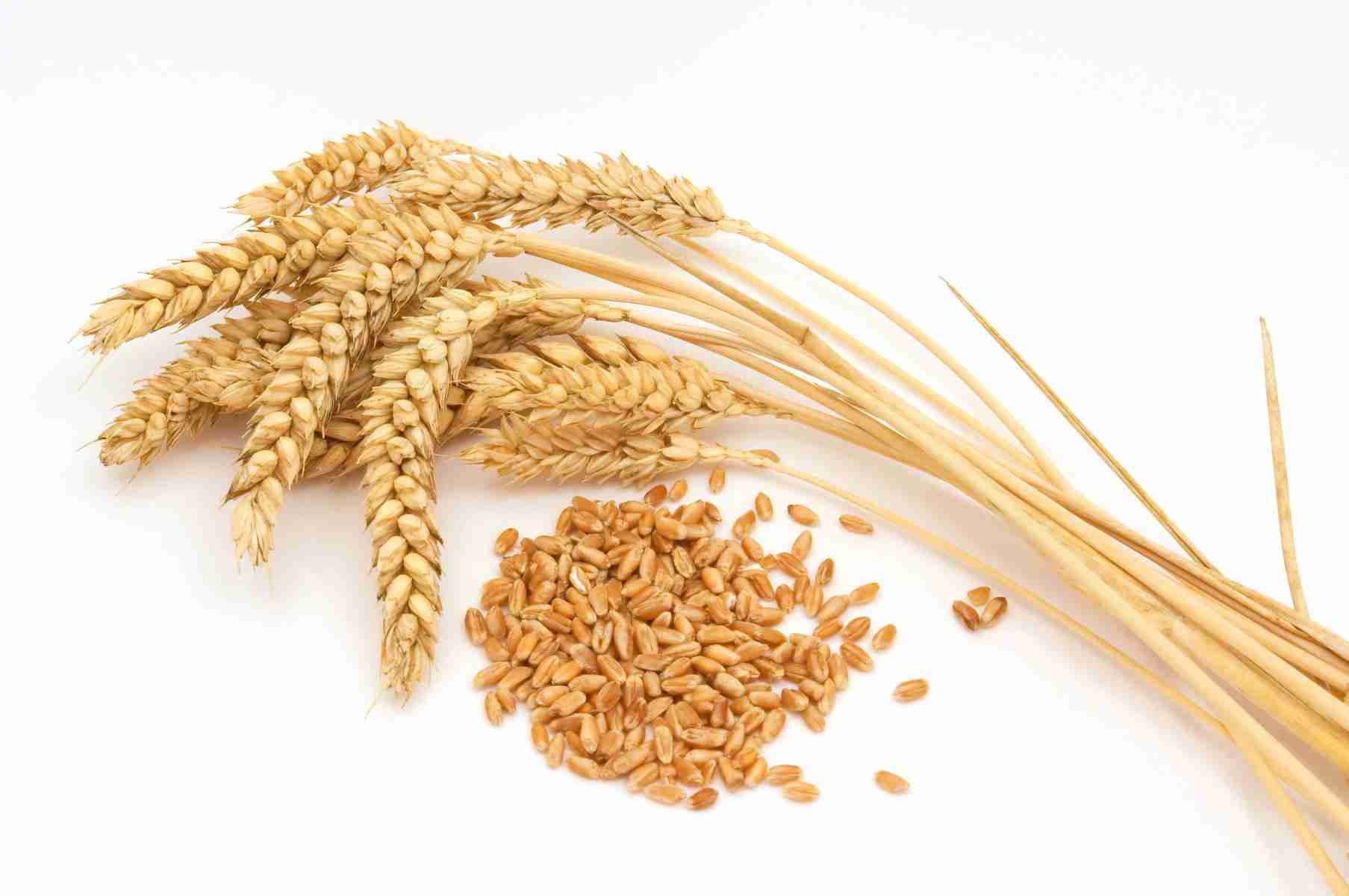
Understanding the Grain: Exploring the Varieties of Maize
Maize, also known as corn, is a versatile and essential crop with numerous varieties, each playing a unique role in culinary and industrial applications. The most recognized types include Dent, Flint, Sweet, Popcorn, and Flour maize, each distinguished by their characteristics. Dent maize, with its high starch content, is primarily used in animal feed and processed foods, while Flint maize, known for its hard outer shell, is favored in traditional dishes in various cultures. Sweet maize, famous for its sugary taste, is the star of summer grills, and popcorn, with its unique popping feature, has transcended as a beloved snack. Flour maize stands out with its fine texture, often used in baking and traditional recipes.
Each variety of maize boasts its own specific uses, contributing to local economies and cultural practices across the globe. To better understand the strengths and roles of these varieties, consider the following attributes:
- Diverse Applications: Culinary delights to industrial uses.
- Nutritive Value: Different types offer varying nutritional profiles.
- Regional Cultivation: Varieties are often adapted to local climates and soil types.
| Variety | Primary Use | Taste Profile |
|---|---|---|
| Dent | Animal feed, cornmeal | Neutral |
| Flint | Cornmeal, polenta | Rich, nutty |
| Sweet | Fresh consumption, canning | Sweet |
| Popcorn | Snacks | Crispy, buttery |
| Flour | Baking | Mild |

The Milling Process Unveiled: Techniques and Equipment for Optimal Results
The journey from grain to grist is a meticulous one, requiring an array of techniques and specialized equipment designed to optimize the milling process. Understanding the fundamentals of maize milling involves knowing the role of moisture content, kernel structure, and desired end product. Efficient milling begins with selecting the right grain, where factors such as purity, harvest time, and storage conditions dramatically influence the outcome. With state-of-the-art machinery, modern milling operations can achieve superior efficiency and consistency by employing methods such as dry milling and wet milling, each tailored for distinct applications and final products.
The equipment utilized in this process can significantly affect the quality of the grist. Essential machines include hammer mills, roller mills, and destoners, each playing a crucial role in transforming whole maize into its finer components. For instance, roller mills are favored for their ability to produce uniform particle sizes, while hammer mills excel at breaking down tougher materials. To maximize efficiency, milling plants often adopt a combination of these technologies, creating a synergistic workflow that enhances throughput. Here’s a glimpse of how different machines contribute to the process:
| Equipment Type | Function | Benefits |
|---|---|---|
| Hammer Mill | Shredding and pulverizing grains | Versatility and ease of maintenance |
| Roller Mill | Crushing and grinding | Consistency and energy efficiency |
| Destoner | Removing stones and foreign materials | Improved purity of final product |

Nutritional Benefits and Culinary Applications of Milled Maize
Milled maize offers a wealth of nutritional advantages that make it a staple in diets worldwide. Its rich dietary fiber promotes digestive health, while the presence of essential vitamins such as Vitamin B6 and folate play crucial roles in energy metabolism and red blood cell formation. Additionally, milled maize is a good source of minerals like magnesium and phosphorus, which are vital for bone health and various bodily functions. The moisture content in different milling processes can also vary, affecting the texture and taste, thus influencing culinary applications significantly.
In culinary contexts, milled maize serves as a versatile ingredient that can transform dishes across various cuisines. From tamales to polenta, its applications are diverse. Here are some popular uses:
- Cornmeal: Ideal for baking cornbread or as a coating for fried foods.
- Grits: A beloved Southern dish that pairs well with savory ingredients.
- Tortillas: The foundation for countless Mexican meals, offering a soft texture and delightful flavor.
- Polenta: A creamy Italian dish that can be served soft or allowed to set and sliced.
Exploring these culinary applications also highlights the adaptability of milled maize, which can be used in gluten-free diets and paired with a variety of flavors, from sweet to savory. The following table summarizes these dishes with their core ingredients and nutritional contributions:
| Dishes | Main Ingredients | Nutritional Benefits |
|---|---|---|
| Cornbread | Cornmeal, eggs, milk | High in fiber; promotes heart health |
| Grits | Corn grits, butter, cheese | Rich in carbohydrates; energy booster |
| Tortillas | Masa harina, water | Source of complex carbohydrates; versatile base |
| Polenta | Cornmeal, water, cheese | Gluten-free; rich in minerals |

Best Practices for Quality Control and Sustainable Milling Operations
Ensuring the highest quality in maize milling operations hinges on the adoption of systematic quality control measures at every stage of the process. This begins with careful selection of the grain, where parameters such as moisture content, purity, and kernel hardness must be assessed. Employing techniques such as visual inspections and laboratory analyses can help establish a reliable baseline. Additionally, establishing a feedback loop that incorporates regular testing of the final products—flours, grits, and meals—allows for continual refinement. Key metrics to monitor include:
- Granulation consistency: Ensuring that the particle size meets specific standards.
- Extraneous contamination: Regular checks for impurities or foreign materials.
- Shelf-life stability: Assessing the freshness and preservation of the end product.
Sustainable milling operations not only focus on efficiency but also on minimizing environmental impact. Integrating eco-friendly practices, such as waste minimization and energy-efficient machinery, can significantly enhance sustainability. Furthermore, utilizing by-products of maize milling—like bran and germ—can promote resource circularity and contribute to additional revenue streams. Implementing a transparent sustainability framework ensures that stakeholders, from farmers to consumers, understand and value the commitment to responsible practices. Below is a simplified overview of sustainable practices in maize milling:
| Sustainable Practice | Description |
|---|---|
| Waste Reduction | Minimizing leftover materials through efficient processing. |
| Energy Management | Utilizing renewable energy sources where possible. |
| Water Conservation | Implementing recycling processes to reduce water usage. |
Closing Remarks
As we draw the curtain on our exploration of the intricate journey from grain to grist, it becomes clear that maize milling is a captivating blend of art and science. Each step, from the careful selection of kernels to the precision of grinding, reflects a commitment to both tradition and innovation. This timeless craft not only nurtures the grains of the earth but also fuels the culinary creativity that enriches our tables.
With the age-old wisdom of millers and the advancements of modern technology converging, the world of maize milling continues to evolve, inviting both artisans and engineers to participate in its unfolding narrative. Whether you are a farmer, a miller, or a consumer, understanding this process deepens our appreciation for the food we enjoy daily and the cultural heritage it represents.
As we navigate the complexities of our global food systems, may the lessons learned from the maize mill inspire a greater respect for the land and the labor that sustains us. In every handful of grist, there lies a story waiting to be told—one that connects generations and celebrates the remarkable journey of maize from field to flour.



