
In an era where efficiency and sustainability are paramount, the agricultural sector stands at the forefront of innovation. Among the myriad advancements reshaping the landscape, one particularly transformative technology is gaining attention: the versatile combined rice mill. This remarkable machine not only streamlines the grain processing workflow but also enhances the quality and yield of rice production, catering to the needs of farmers and consumers alike. As global demand for this staple food continues to rise, the combined rice mill promises to revolutionize traditional practices, marrying age-old techniques with cutting-edge engineering. In this article, we will explore the potential of this innovative solution, examining how it is poised to redefine the grain processing industry and support a more resilient future for rice cultivation worldwide.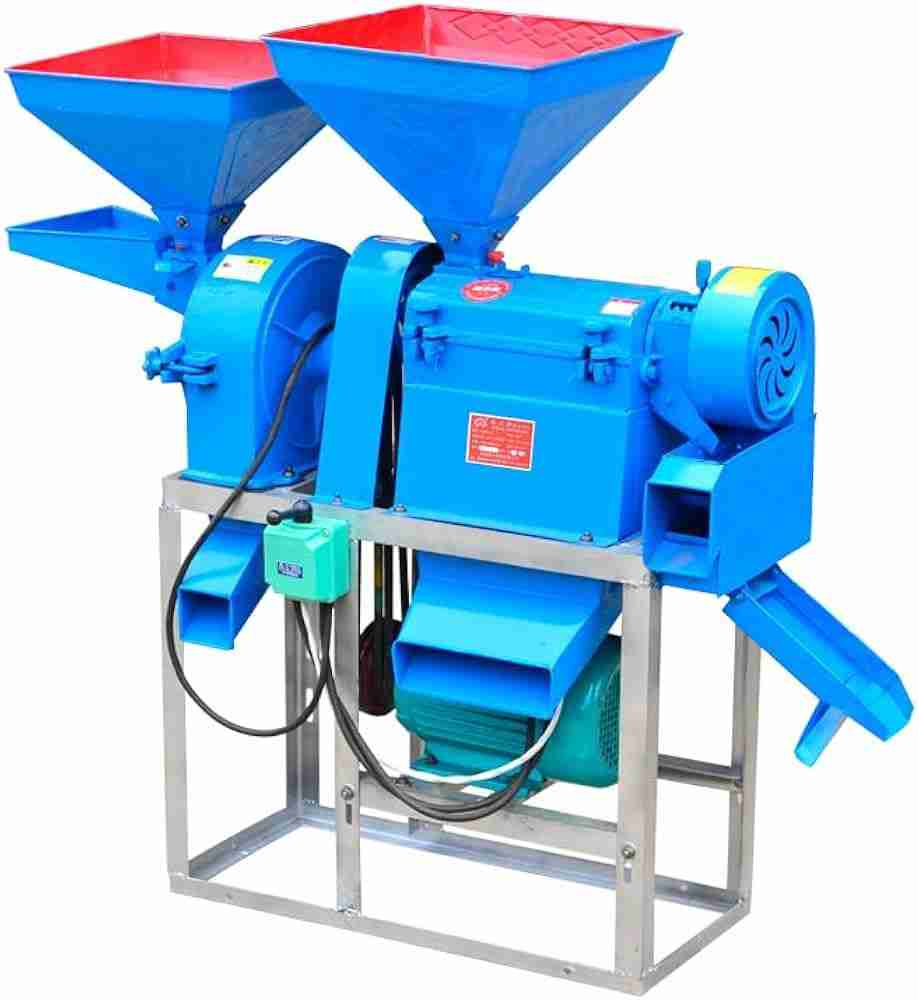
Understanding the Mechanics of the Combined Rice Mill for Enhanced Efficiency
In a world where efficiency is paramount, the combined rice mill stands out as a beacon of innovation in grain processing. This sophisticated machinery integrates multiple functions, which streamlines the entire rice milling process. By merging traditional milling techniques with modern technology, it minimizes grain loss and maximizes output quality. A typical setup combines the following processes:
- Cleaning: Removes impurities and foreign materials from the raw rice.
- Husking: Separates the husk from the rice grain.
- Milling: Polishes the rice while preserving its nutritional value.
- Grading: Classifies the rice into various grades based on size and quality.
The mechanics of this mill include a variety of components that work harmoniously to produce high-quality rice efficiently. For instance, the synchronized use of a blower and sieving equipment ensures that dirt and husks are removed effectively, while the multi-stage grinding system enhances the texture of the rice. An example of the efficiency can be illustrated in the following table:
| Process | Time Efficiency | Outcome |
|---|---|---|
| Cleaning | 5 minutes | 90% pure grain |
| Husking | 3 minutes | 92% intact grains |
| Milling | 4 minutes | Polished rice |
| Grading | 2 minutes | Classified rice |
By understanding these mechanics, mill operators can optimize each stage of the operation, ensuring that the combined rice mill not only meets but exceeds production expectations. The integration of advanced technology within each phase offers a pathway to enhanced productivity and a significant reduction in manual labor, ultimately transforming grain processing.

Exploring the Multifunctional Benefits of Integrated Grain Processing Technology
The advent of integrated grain processing technology has undeniably transformed the agricultural landscape, particularly in the area of rice milling. By combining multiple functionalities into a single piece of equipment, the combined rice mill enhances both efficiency and output, making it a viable option for small to medium-sized farms. This technology not only streamlines operations by reducing the need for separate machines but also minimizes labor costs and energy consumption. Key benefits include:
- Increased Efficiency: The mill’s ability to perform multiple processes such as threshing, husking, and polishing in one go saves valuable time.
- Space Saving: Compact designs require less floor space, making it easier to integrate into existing facilities.
- Improved Grain Quality: Advanced milling techniques ensure minimal grain breakage and better preservation of nutritional value.
- Cost-Effectiveness: Reducing the number of machines translates to lower maintenance and operating costs.
Moreover, the versatility of these integrated mills aligns perfectly with the changing demands of consumers and market trends. By producing various by-products such as bran or flour, the combined rice mill opens up new avenues for revenue generation, allowing farmers to diversify their offerings. A closer look at its multifunctional capabilities reveals:
| Functionality | Benefits |
|---|---|
| Husking | Removes the outer husk effectively, enhancing grain appearance. |
| Polishing | Improves grain quality and marketability. |
| By-product Production | Generates bran and flour for additional sales opportunities. |

Sustainability in Grain Processing: The Environmental Impact of Combined Rice Mills
In a world increasingly focused on environmental responsibility, combined rice mills stand at the forefront of sustainable grain processing. These innovative machines streamline operations by integrating multiple milling functions into a single unit, drastically reducing the energy and water consumption typically required by traditional milling systems. This efficiency not only minimizes the carbon footprint associated with grain processing but also leads to a significant reduction in waste by-products. Manufacturers utilizing combined rice mills can achieve high yield rates while adhering to eco-friendly practices. Key features contributing to this sustainability include:
- Energy Efficiency: Seamless integration of milling processes reduces electricity usage.
- Water Conservation: Innovative designs limit water requirements during processing.
- Waste Reduction: Advanced technology optimizes grain usage, minimizing by-product waste.
- Emissions Control: Improved technology lowers greenhouse gas emissions throughout the milling process.
Moreover, the deployment of combined rice mills can significantly impact local economies while promoting sustainable practices. By reducing the resource demands of operations, farmers and millers can reinvest savings into community-driven initiatives, enhancing local agricultural resilience. The technology also fosters a circular economy by supporting the utilization of by-products, such as husks and bran, in various applications, from animal feed to bioenergy. This interconnected approach not only bolsters environmental stewardship but also encourages healthy practices in local food systems. Consider the following table that outlines the benefits of combined rice mills:
| Benefit | Description |
|---|---|
| Reduced Energy Use | Lower energy consumption translates to less reliance on fossil fuels. |
| Lower Water Footprint | Efficient milling processes require significantly less water. |
| Increased Yield | Higher milling efficiency leads to better grain extraction rates. |
| Waste Utilization | By-products can be repurposed, minimizing landfill impact. |
Implementing Best Practices for Optimal Performance and Maintenance of Rice Mills
Implementing best practices in rice milling isn’t just about maintaining machinery—it’s about creating a holistic environment that enhances the quality and efficiency of production. To achieve optimal performance, operators should focus on routine inspections and timely maintenance schedules. Regularly lubricating moving parts, checking for wear and tear, and calibrating machines as per manufacturer guidelines are essential steps. Additionally, leveraging modern technology, such as smart sensors and automated monitoring systems, can provide real-time data on machine performance, facilitating prompt interventions and minimizing downtime.
Moreover, understanding and optimizing the milling process itself can significantly boost output and reduce waste. Operators should prioritize grain quality assessment, ensuring only the best raw materials enter the mill. Implementing a systematic training program for staff can help cultivate a deep understanding of machinery operation and rice processing techniques. Consider establishing a feedback loop with the production team to identify bottlenecks and enhance workflow.
| Best Practices | Benefits |
|---|---|
| Regular Maintenance | Prolongs machinery life |
| Grain Quality Checks | Enhances final product quality |
| Staff Training | Increases operational efficiency |
| Automated Monitoring | Reduces downtime |
In Retrospect
As we stand on the brink of a new era in agricultural innovation, the combined rice mill emerges not just as a machine, but as a symbol of progress in grain processing. Its ability to streamline operations while enhancing efficiency and quality paves the way for a more sustainable future for farmers and consumers alike. This versatile technology not only addresses the demands of modern agriculture but also honors the age-old tradition of rice cultivation. As we embrace these advancements, the combined rice mill captures the spirit of transformation—promising not only to revolutionize the way we process grain but to nurture the very roots of our food systems. In the symphony of agricultural progress, the combined rice mill plays a pivotal role, and as it continues to evolve, we can only anticipate the harmonious impact it will have on communities worldwide. The journey towards innovation is just beginning, and with it comes the hope for a brighter, more efficient agricultural landscape.



