
In the heart of lush, green paddy fields, where the golden grains sway gently in the breeze, lies a transformative journey that stretches far beyond mere cultivation. “Transforming Grain: A Comprehensive Look at Paddy Processing” delves into the intricate processes that turn harvested rice paddy into a staple food cherished across cultures and cuisines. From the moment a farmer’s hands sift through the delicate grains to the final packaging that preserves their essence, every stage of processing is a testament to both traditional wisdom and innovative techniques. Join us as we unpack the historical significance, economic impact, and meticulous steps involved in this vital journey, exploring how grains are not just products, but emblems of nourishment, sustainability, and culinary heritage.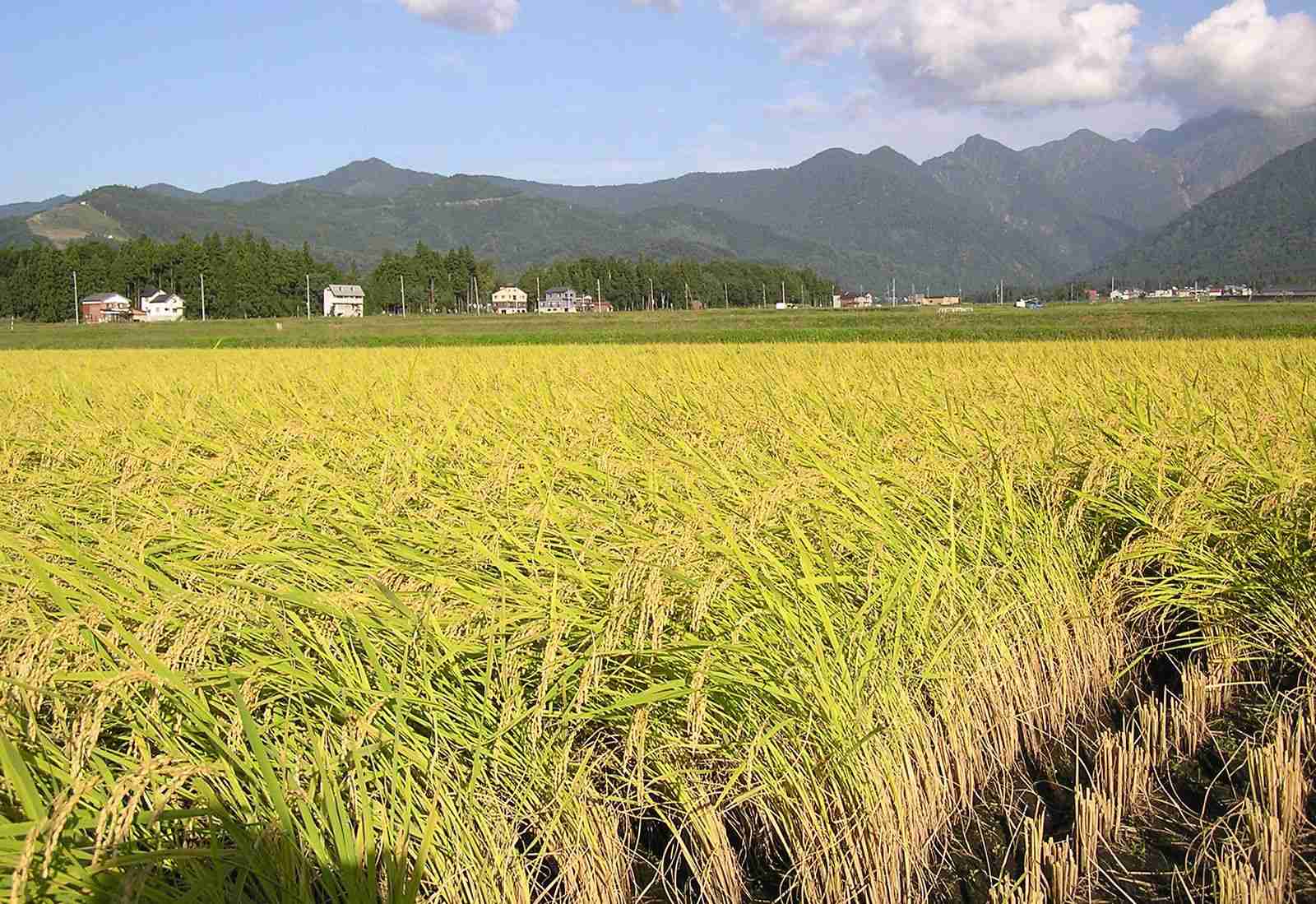
Understanding the Journey from Paddy to Rice: Key Steps in the Processing Chain
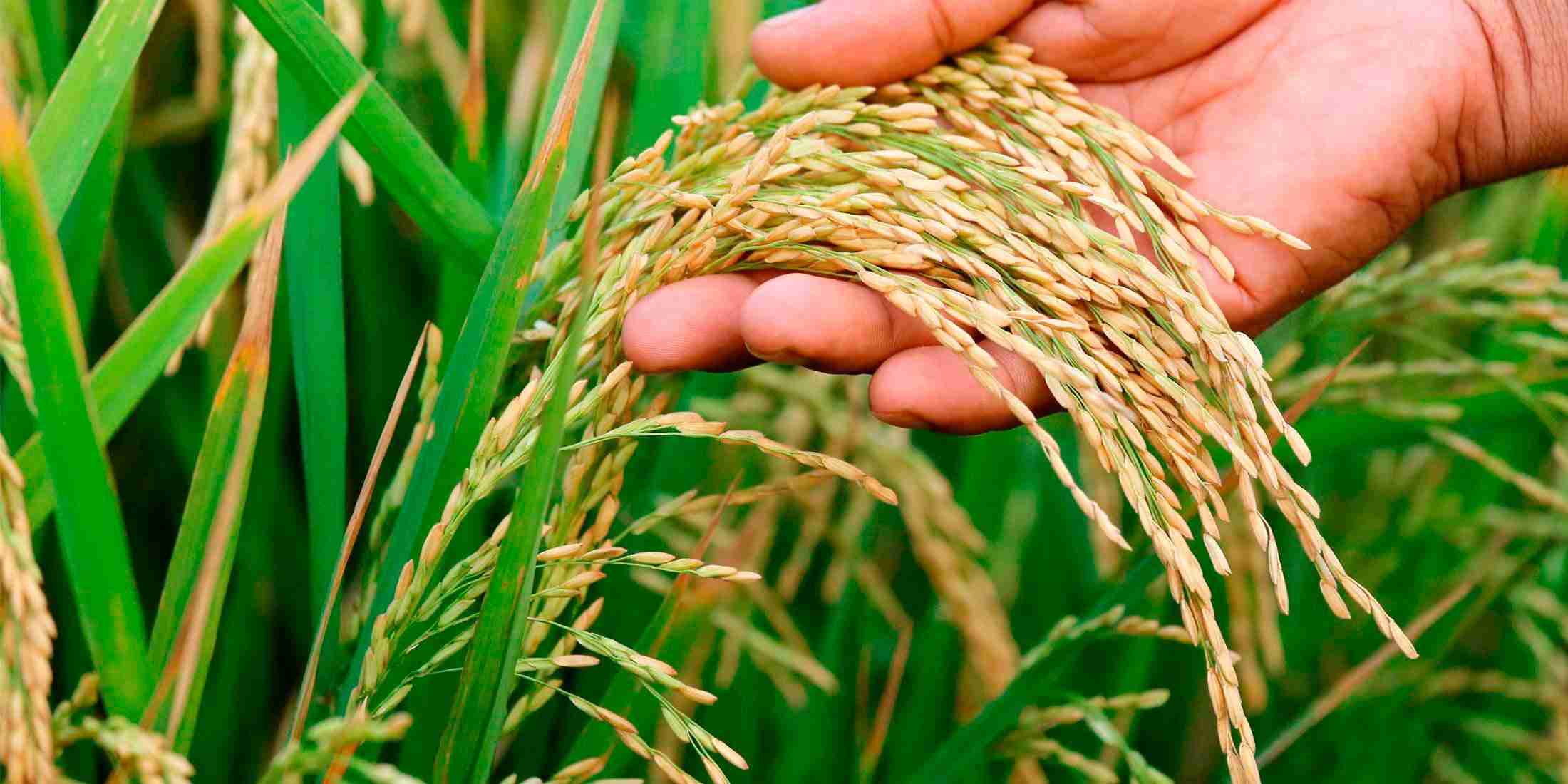
Transforming paddy into rice involves a meticulous series of steps that highlight the intricate journey each grain undergoes. After harvesting, the first key stage is threshing, where paddy is separated from the stalks and husks. This process is essential to prepare the grains for further processing. Following threshing, the drying stage ensures that moisture content is reduced to an optimal level, which is crucial in preventing spoilage. Once dried, the paddy moves to milling, where the outer husk is removed to unveil the brown rice. This part of the journey requires precision, as the goal is to retain as much of the nutritious bran layer as possible while removing unwanted materials.
After milling, the brown rice undergoes polishing, a process that enhances its appearance by removing the bran layer completely. The end result is white rice, which is familiar to consumers around the world. Not only does polishing improve aesthetics, but it also affects the shelf life of the product. To better understand the stages of this transformation, consider the following table summarizing the processing steps:
| Processing Stage | Description |
|---|---|
| Threshing | Separation of paddy grain from stalks and husks. |
| Drying | Reducing moisture content for preservation. |
| Milling | Removing the husk to produce brown rice. |
| Polishing | Enhancing appearance and shelf life by removing bran. |
Innovative Techniques in Paddy Drying and Storage for Optimal Quality
Advancements in paddy drying and storage techniques are pivotal in preserving the quality and enhancing the shelf life of harvested grains. Innovative methods such as solar-assisted dryers and mechanical drying systems have transformed traditional drying processes, allowing farmers to maintain optimal grain moisture levels and minimize losses due to spoilage. Utilizing natural resources not only promotes sustainability but also reduces energy costs, making it an appealing option for smallholder farmers. Additionally, integrating technologies like smart sensors for real-time monitoring ensures that conditions remain ideal for paddy until it is ready for milling.
In storage, modern solutions such as hermetic storage bags and metal silos are making waves by significantly reducing infestation and moisture accumulation. These methods help maintain the integrity of the grains for extended periods, allowing for flexible marketing and better financial returns. To illustrate the effectiveness of these practices, consider the following comparative table:
| Storage Method | Benefits | Drawbacks |
|---|---|---|
| Hermetic Storage Bags |
|
|
| Metal Silos |
|
|

Enhancing Efficiency: Technology and Equipment for Modern Rice Milling
In the ever-evolving landscape of rice milling, modern technology plays a pivotal role in streamlining processes and enhancing productivity. Advanced machinery has replaced traditional methods, allowing for precision in every step of paddy processing. State-of-the-art milling equipment includes multi-functional machines designed to simultaneously husk, polish, and sort grains, ensuring higher quality outputs while reducing waste. This not only boosts operational efficiency but also improves profitability for mill owners. The incorporation of automation and smart technology in these systems minimizes labor costs and increases output, making it essential for rice milling operations striving for sustainability and growth.
Furthermore, the integration of data analytics and IoT (Internet of Things) into rice milling equipment has transformed the way millers monitor and maintain their operations. By leveraging real-time data, millers can optimize machine performance, achieve better yield rates, and mitigate potential downtimes. The use of sensor technology for monitoring moisture levels, grain quality, and equipment health allows for proactive maintenance, reducing unexpected failures and enhancing the overall production rhythm.
| Technology | Benefits |
|---|---|
| Automated Milling Machines | Increased efficiency and reduced labor costs |
| Data Analytics | Enhanced decision-making and operational oversight |
| IoT Sensors | Real-time monitoring and predictive maintenance |
Sustainability in Paddy Processing: Best Practices for Environmental Stewardship
As the global demand for rice continues to rise, paddy processing operations must embrace environmental best practices to minimize their ecological footprint. Implementing sustainable practices not only conserves resources but also improves the overall quality of the grain. Key strategies include:
- Water Conservation: Implementing closed-source water systems and recycling water in the milling process can significantly reduce overall water usage.
- Energy Efficiency: Upgrading to energy-efficient machinery and utilizing renewable energy sources, such as solar power, can lower greenhouse gas emissions.
- Waste Management: Properly managing by-products, such as husk and bran, by converting them into bioenergy or animal fodder greatly reduces waste.
- Organic Practices: Sourcing paddy from organic farms minimizes the use of harmful pesticides and fertilizers, promoting healthier ecosystems.
Moreover, engaging local communities and stakeholders in sustainability efforts enhances transparency and accountability. Training sessions for farmers on sustainable agriculture techniques and investing in community education programs foster a deeper connection between producers and environmental stewardship. Consider adopting a progressive approach through:
- Collaborative Partnerships: Work with local government and NGOs to promote sustainable farming practices.
- Transparency Initiatives: Regularly publishing sustainability reports that detail environmental impacts strengthens trust and community engagement.
- Technology Adoption: Utilizing precision agriculture tools can optimize resource use, ensuring that crops are grown with minimal environmental degradation.
| Best Practices | Benefits |
|---|---|
| Water Recycling | Reduces waste and conserves essential resources |
| Energy Efficient Machinery | Lower operational costs and reduced carbon footprint |
| Waste Valorization | Transforming waste into resources that benefit local economies |
| Organic Sourcing | Safer food products and improved soil health |
Wrapping Up
As we conclude our exploration of paddy processing, it becomes clear that this intricate transformation is not merely a series of mechanical steps but a vital journey from field to table. The processes of drying, milling, and polishing each contribute to the quality, flavor, and nutritional profile of the rice that graces our plates.
Understanding these stages not only deepens our appreciation for this staple crop but also highlights the significance of sustainable practices in maintaining the delicate balance between productivity and the environment. As global demands for rice continue to rise, innovation and technology will play crucial roles in shaping the future of grain processing.
In an industry often overlooked, the meticulous work involved in paddy processing ensures that we receive the best from our harvests. As consumers, we are encouraged to embrace this knowledge, fostering a greater connection with our food and the hands that bring it to life. In the grand tapestry of agriculture, every grain has a story, and as we savor our meals, we can honor the journey of paddy—from seed to sustenance.



