
Unlocking the Secrets: The Art and Science of Cereal Processing
In a world where breakfast often feels hurried and routine, the humble cereal grain quietly holds a profound legacy, weaving together tradition, innovation, and nutrition. From ancient harvests to modern factories, the journey of cereal processing is a fascinating blend of artistry and scientific precision. This multifaceted process not only transforms raw grains into convenient breakfast options but also maximizes their flavor, texture, and nutritional benefits. In this article, we will delve into the intricate world of cereal processing, unveiling the secrets behind the techniques that have evolved over centuries. By exploring both the artistry involved in developing distinctive cereal products and the scientific principles that ensure their safety and quality, we aim to shed light on an essential aspect of our daily sustenance—one that is often overlooked but vital to our culinary landscape. Join us as we uncover the mysteries behind the grains that grace our tables, revealing how the interplay of tradition and technology shapes the cereals we know and love today.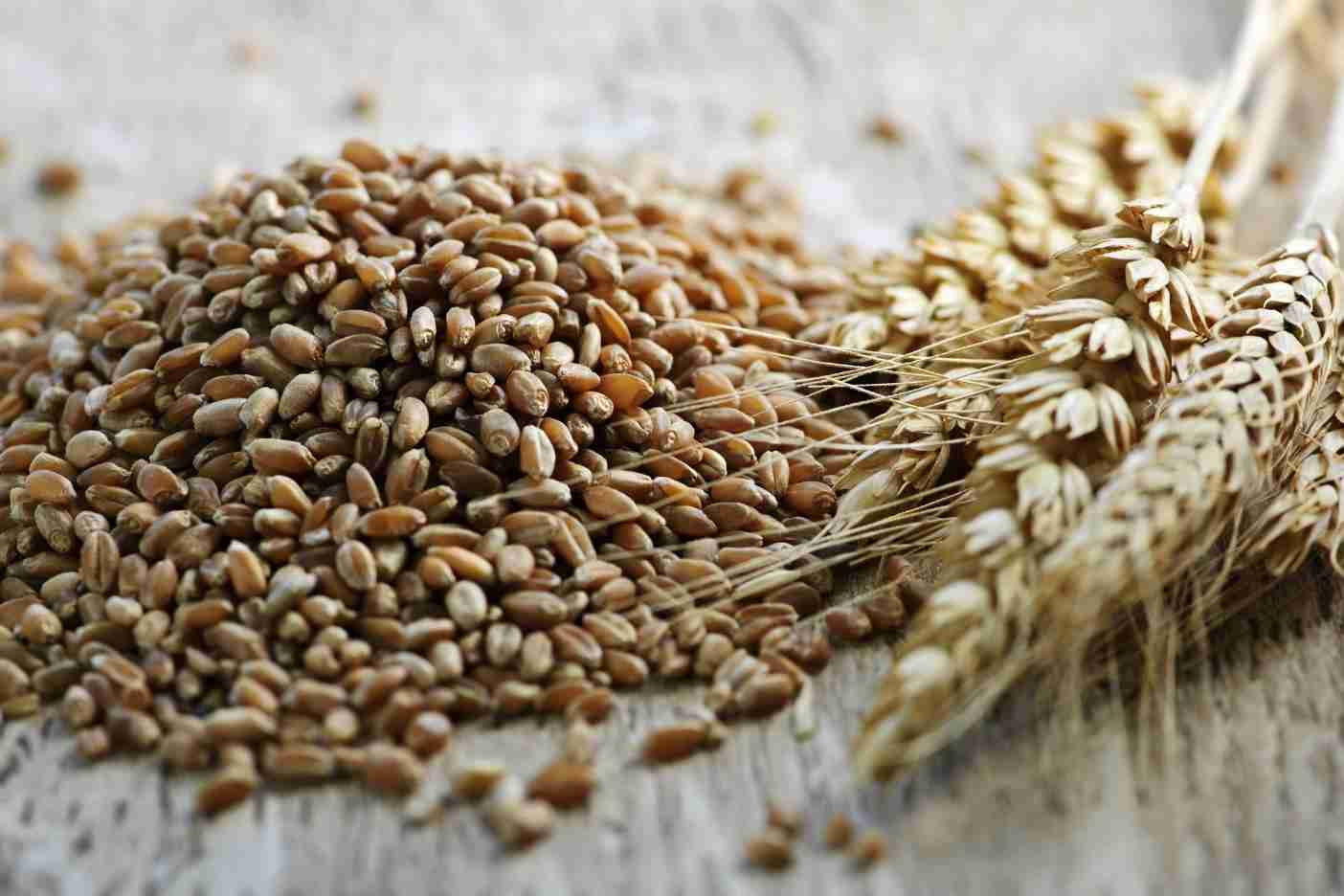
Exploring the Journey from Grain to Bowl
The journey of cereal processing is a fascinating blend of tradition and innovation, harnessing the essence of natural grains and transforming them into a wholesome product that graces our breakfast tables. It begins in the fields, where farmers cultivate diverse varieties of grains, each with unique flavor profiles and nutritional values. Once harvested, these grains undergo careful cleaning to remove impurities and ensure quality. This crucial step sets the stage for various processing techniques, such as milling and toasting, which enhance the texture and taste of the final product.
Next, the meticulously processed grains make their way to the factory, where cutting-edge technologies meet age-old methods. The grains are ground into flour or transformed into flakes, depending on the desired product. This transformation is not merely physical; it carries with it the science of food preservation and nutrition optimization, ensuring that essential vitamins and minerals remain intact. Throughout this metamorphosis, the focus remains on meeting consumer demands for taste, texture, and health benefits. The final stage culminates in the packaging process, where freshness is locked in to deliver a delightful bowl of cereal for a nourishing start to the day.

Understanding the Role of Technology in Cereal Manufacturing
The intricate dance of technology in cereal manufacturing is a captivating blend of precision and innovation. At the heart of this process lies advanced machinery that revolutionizes how grains are processed, ensuring both quality and efficiency. Automation systems monitor each step, from grain selection to packaging, minimizing human error while maximizing productivity. Key technologies utilized in this sector include:
- Computerized Grain Handling Systems: These systems automate the sorting and cleaning of grains, ensuring only the best ingredients are used.
- Extrusion Technology: This method enhances texture and appearance, allowing for the creation of a variety of shapes and flavors.
- Quality Control Sensors: These ensure that every batch meets strict safety and nutritional standards by continuously analyzing product quality.
Moreover, data analytics plays a pivotal role in streamlining operations and enhancing decision-making. Manufacturers leverage big data to forecast demand, track inventory, and optimize supply chain logistics, creating a more agile production process. On another front, eco-friendly technologies are gaining traction, helping to reduce energy consumption and waste generation. To illustrate this convergence of technology and sustainability, consider the following table highlighting some innovative approaches:
| Technology | Benefit |
|---|---|
| Renewable Energy Sources | Reduced carbon footprint |
| Water Recycling Systems | Conservation of resources |
| Smart Packaging | Extended shelf life |

Balancing Nutrition and Flavor in Cereal Development
Creating a successful cereal involves a harmonious interplay of nutrition and flavor, a tightrope walk that requires both culinary artistry and scientific understanding. At the heart of this process is a commitment to whole grains, which not only provide essential nutrients but also contribute to a richer, more complex flavor profile. Incorporating a variety of grains can introduce unique textures and tastes, allowing consumers to experience something beyond the ordinary. To enhance the appeal, manufacturers often consider a range of natural flavors, sweeteners, and fortifications, ensuring that the product tantalizes the taste buds while delivering on health promises.
The challenge lies in balancing these elements—formulating a cereal that not only meets nutritional guidelines but also excites the palate. Key strategies include:
- Leveraging the natural sweetness of fruits and whole grains
- Utilizing spices and extracts to cement flavor depth without compromising health
- Experimenting with textures through toasted grains or crunchy inclusions
- Employing innovative fortification methods that maintain flavor integrity
To summarize the relationship between nutritional content and flavor satisfaction, consider the following table:
| Nutrient | Flavor Source | Benefits |
|---|---|---|
| Protein | Nuts and Seeds | Promotes satiety and boosts energy |
| Fiber | Whole Grains | Aids digestion and supports heart health |
| Vitamins | Dried Fruits | Enhances immunity and overall wellness |
| Minerals | Chocolate or Yogurt Coating | Improves flavor while offering essential nutrients |

Sustainable Practices for the Future of Cereal Processing
As the demand for environmentally responsible food production rises, cereal processing can significantly contribute to sustainability through innovative practices. Manufacturers are increasingly focusing on resource conservation and waste reduction to minimize their environmental footprint. Here are some key strategies being adopted:
- Water Efficiency: Implementing closed-loop systems to recycle and purify water used in processing can drastically reduce water consumption.
- Renewable Energy: Utilizing solar or wind power in processing facilities not only lowers carbon emissions but can also lead to long-term cost savings.
- By-Product Valorization: Finding uses for by-products like bran and husks can lead to additional revenue streams while promoting a circular economy.
Furthermore, consumer awareness is prompting cereal processors to prioritize sustainable sourcing of raw materials. Collaborations with local farmers to ensure organic and environmentally friendly growing practices can enhance product quality and community relationships. The integration of traceability systems allows consumers to make informed choices and encourages transparency in the supply chain. Here’s a look at some emerging trends in sustainable sourcing:
| Trend | Description |
|---|---|
| Regenerative Agriculture | Practices that restore soil health and enhance biodiversity while increasing crop resilience. |
| Local Sourcing | Prioritizing local grains to reduce transportation emissions and support regional economies. |
| Certification Programs | Participating in programs that certify ethical and sustainable farming practices, appealing to environmentally conscious consumers. |
To Conclude
As we draw the curtain on our exploration of cereal processing, it’s clear that this seemingly simple task encompasses a rich tapestry of art and science. From the meticulous selection of grains to the intricate methods of milling, toasting, and flavoring, every step in transforming raw cereal into a beloved breakfast staple is a blend of tradition and innovation.
As our understanding deepens, so too does our appreciation for the craftsmanship behind our morning routines. The nuanced balance of nutritional science, technological advancement, and artistic expression invites us to see our bowls of cereal through a new lens.
In an era where food choices are increasingly informed by health considerations and environmental consciousness, the secrets of cereal processing become ever more essential. These processes not only contribute to the flavors and textures we cherish but also influence the sustainability of the food we consume.
So, the next time you pour that first bowl, take a moment to reflect on the journey of those humble grains. In each crunch lies the result of centuries of expertise, resilience, and a profound understanding of nature. Unlocking these secrets enriches our relationship with food and inspires us to continue seeking knowledge—a pursuit as vital as the breakfast itself.



