
Unlocking Tradition: The Art and Science of Maize Milling
In the heart of many cultures around the globe lies a staple that has fed generations and transformed landscapes: maize. This unassuming grain, revered as both a dietary cornerstone and a symbol of heritage, has woven itself into the fabric of daily life, from bustling markets to family kitchens. Yet, what lies beneath the vibrant colors of maize kernels and the rich tapestry of dishes they inspire is a process steeped in tradition, enhanced by modern innovation.
Maize milling, an ancient practice that dates back thousands of years, is a dance of art and science—a delicate balance between manual craftsmanship and technological advancement. It demands not only an understanding of the grain itself but also the intricacies of machinery that breathe new life into raw kernels. By unlocking the secrets of this time-honored technique, we delve into the stories of artisans and scientists alike, exploring how they preserve cultural heritage while embracing the future.
In this exploration, we aim to shine a light on the fascinating world of maize milling, examining its historical roots, the meticulous processes involved, and its enduring impact on communities worldwide. Join us on a journey that reveals how the humble grain of maize continues to nourish not just bodies, but also traditions and innovations alike.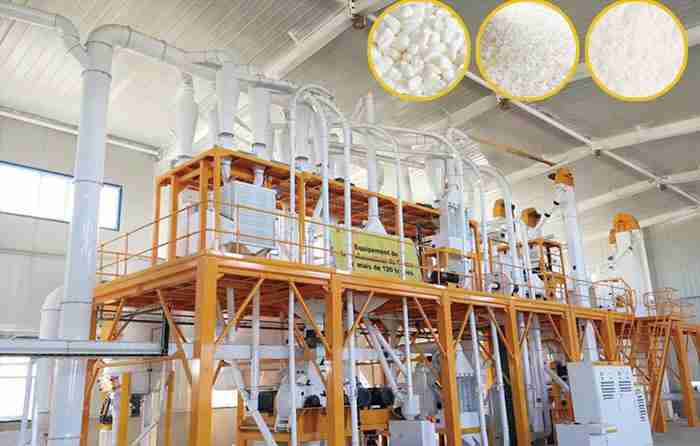
Exploring the Heritage of Maize Milling Practices
As we delve into the rich tapestry of maize milling, we uncover a sophisticated interplay of cultural traditions and technological advancements. The practices surrounding maize milling are deeply rooted in the history of various civilizations, particularly in regions where maize is a staple food. For many communities, milling maize is not merely a chore; it is an art form that embodies their identity and culinary heritage. Traditional methods, often passed down through generations, involve the use of stone mills or hand grinders, evoking a sense of nostalgia and connection to the past. The rhythmic sound of stone against stone resonates with stories of shared meals, community gatherings, and the preservation of age-old recipes.
In contrast, the modern milling techniques introduce efficiency while raising questions about sustainability and the impact on local economies. Incorporating advanced machinery, such as hammer mills and roller mills, has transformed the way maize is processed, ensuring that consumers receive a finely milled product with preserved nutritional integrity. However, this shift has also led to a decrease in traditional milling practices, creating a chasm between generations. To illustrate this evolution, consider the following table, which outlines key differences between traditional and modern maize milling techniques:
| Aspect | Traditional Milling | Modern Milling |
|---|---|---|
| Method | Stone mills | Mechanical grinders |
| Time | Labor-intensive | Rapid processing |
| Cultural impact | Community bonding | Market-driven |
| Nutritional retention | High | Variable |
Through this exploration, we find ourselves at a crossroads where innovation meets tradition, and it is essential to strike a balance that honors the heritage of maize milling. The stories behind each method serve as a reminder of our connections to the land and to each other, prompting us to reflect on the future of this vital practice. In celebrating both the art and science of maize milling, we are not only preserving traditions but also fostering a deeper understanding of food, culture, and community.
The Science Behind Optimal Grind: Techniques and Technologies
Understanding the intricacies of maize milling involves delving into the intersection of traditional methods and modern technology. The right grind is influenced by various factors that affect the quality and texture of the final product. Some of these critical factors include:
- Moisture Content: Maintaining an optimal moisture level is essential; too much moisture can lead to clumping, while too little can cause grain damage.
- Particle Size Distribution: Ensuring a uniform particle size enhances the cooking properties and flavor release in the final product.
- Type of Mills: Different milling machines, from traditional stone grinders to advanced roller mills, produce varied results in texture and consistency.
Recent advancements in milling technology have refined these techniques, making it easier to achieve desired results while preserving the integrity of the maize. For example, the use of laser-cut burrs allows for a finer, more precise grind without compromising flavor. Additionally, digital monitoring systems can automatically adjust milling parameters in real-time to optimize the process. Below is a simple comparison table showcasing different milling techniques and their impact on the final product:
| Milling Technique | Texture | Efficiency |
|---|---|---|
| Traditional Stone Milling | Coarse, Uneven | Low |
| Steel Roller Milling | Fine, Consistent | Medium |
| Air Classification Milling | Ultra-fine | High |
This blend of art and science enables millers to produce maize flour that meets specific culinary requirements, demonstrating that both heritage and innovation play critical roles in achieving optimal grind.

Nutritional Benefits of Freshly Milled Maize Products
Freshly milled maize products are not only a culinary staple in many cultures but also a powerhouse of nutritional benefits. The process of milling maize retains a high concentration of essential nutrients that are often lost during industrial processing. These products are rich in carbohydrates that provide long-lasting energy, making them an excellent choice for those with active lifestyles. Moreover, freshly milled maize is a significant source of dietary fiber, which promotes digestive health and aids in maintaining a healthy weight.
In addition to fiber, maize products boast a variety of vitamins and minerals essential for overall well-being. They are particularly high in B-vitamins such as thiamine, niacin, and folate, which support various metabolic processes and are crucial for maintaining healthy skin and energy levels. The inclusion of maize in the diet can also provide vital minerals like magnesium, phosphorus, and zinc, which are necessary for bone health and immune function. To illustrate the impressive nutrient profile of freshly milled maize, consider the table below:
| Nutrient | Per 100g of Freshly Milled Maize |
|---|---|
| Carbohydrates | 73g |
| Dietary Fiber | 7g |
| Protein | 9g |
| B-Vitamins | Varied (up to 50% RDI) |
| Minerals (Mg, P, Zn) | Varied (15-20% RDI) |

Sustainable Milling: Balancing Tradition and Modern Efficiency
In the quest for sustainable milling practices, the convergence of age-old traditions and cutting-edge technology proves to be a compelling narrative. By employing techniques that honor indigenous knowledge and natural resources, millers can produce high-quality maize flour while minimizing environmental impact. Key aspects of this sustainable approach include:
- Locally Sourced Grains: Supporting farmers within the community reduces transportation emissions and strengthens local economies.
- Energy Efficiency: Utilizing renewable energy sources, such as solar or wind, can significantly decrease the carbon footprint of milling operations.
- Waste Reduction: Implementing practices to repurpose byproducts, such as using husks for animal feed or biofuels, showcases a commitment to zero-waste initiatives.
Modern mills are increasingly incorporating innovative technologies that streamline processes while respecting traditional methodologies. Automation and smart technology enhance productivity without sacrificing quality, blending precision with craft in maize milling. Notable advancements include:
| Technology | Benefit |
|---|---|
| Data Analytics | Optimizes grain selection and milling parameters for improved yield. |
| IoT Integration | Monitors equipment in real-time, reducing downtime and maintenance costs. |
| Precision Milling | Enhances consistency and quality of the final product. |
By fusing these advancements with traditional practices, we can create a robust milling ecosystem that respects heritage while embracing the future. The harmonious relationship between old and new not only preserves cultural significance but also sets a precedent for sustainable development in the agricultural sector.
Concluding Remarks
As we conclude our journey through the intricate world of maize milling, we find ourselves at the crossroads of tradition and innovation. The age-old practices that have shaped cultures and communities are interwoven with the advancements of modern technology, each influencing the other in a dance as rich and dynamic as the grains themselves.
From the rhythmic grinding of ancient hand mills to the precision of contemporary machinery, maize milling tells a story that transcends time—one of resilience, creativity, and sustainability. As we unlock the potential of this vital grain, we not only preserve the culinary heritage of countless societies but also forge new paths for agricultural development and food security.
As you reflect on the art and science behind maize milling, consider the roles we each play in this ongoing narrative. Whether as consumers, artisans, or innovators, we have the power to honor the past while nurturing the future. In every meal that features maize, we partake in a legacy—a blend of tradition and progress, waiting to be savored anew.



