
The Art and Science of Cereal Milling: A Grain’s Journey
Imagine a world where golden fields sway gently in the breeze, each head of grain a testament to nature’s bounty. The humble cereal grain, often overlooked in the grand tapestry of our food system, embarks on a transformative journey from farm to table, one that blends the precision of science with the creativity of art. In the heart of this journey lies the intricate process of cereal milling—a clever dance of technology, tradition, and innovation that turns raw grains into the flour and breakfast cereals we know and love.
This article explores the multifaceted world of cereal milling, uncovering the craftsmanship involved in selecting and processing grains, and delving into the scientific principles that dictate their transformation. From the initial harvest to the final packaging, we will trace each step of this fascinating journey, illuminating the roles of milling techniques, quality control, and sustainability in shaping the future of our diverse diets. Join us as we unpack the layers of complexity and artistry inherent in cereal milling, celebrating the journey of a simple grain that nourishes us in ways we may have never imagined.
The Transformation of Grain: Understanding the Milling Process
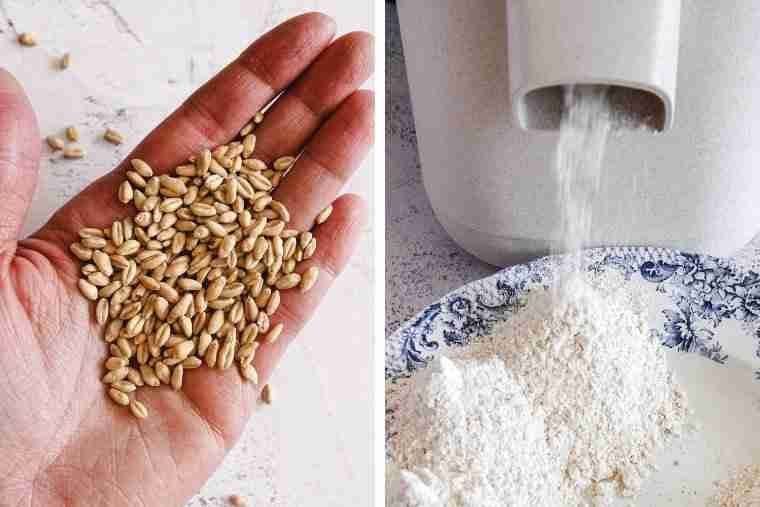
The journey of grain from the field to the flour mill is a fascinating blend of time-honored tradition and innovative technology. The milling process begins with cleaning, which involves removing unwanted materials such as stones, dust, and husks that could affect the purity of the final product. Following this, the grain moves on to conditioning, where it is moistened to achieve optimal moisture content, enhancing its pliability for milling. The key stages in this transformative process include:
- Grinding: The grain is crushed and ground between powerful rollers, breaking it into finer particles.
- Sifting: The milled grain passes through a series of sieves, separating the different flour grades.
- Blending: Different types of flour are mixed to achieve specific qualities and characteristics in the final product.
As the milling advances, it becomes increasingly precise, aided by state-of-the-art machinery that allows millers to control various aspects of production. Understanding the nutritional profiles and baking qualities of different grains enables millers to produce flour suited for everything from artisan bread to pastries. The table below illustrates the differences in grain types commonly processed and their primary flour uses:
| Grain Type | Flour Characteristics | Common Uses |
|---|---|---|
| Wheat | High gluten, versatile | Bread, pasta, pastries |
| Rye | Dense, slightly sour | Rye bread, pumpernickel |
| Oats | Nutty flavor, gluten-free options | Granola, baked goods |
| Corn | Sweet, coarse | Polenta, tortillas, cornbread |
Essential Techniques in Cereal Milling: Balancing Tradition and Technology
Cereal milling is a delicate interplay between time-honored practices and cutting-edge technology. Traditional techniques, passed down through generations, emphasize the importance of understanding grain characteristics, as these nuances influence the final product’s quality. Millers often rely on their experience and intuition to select the appropriate milling method, ensuring that each grain’s unique attributes are preserved. Some key practices include:
- Stone milling: A centuries-old approach that produces a coarser flour while retaining more nutrients and flavors.
- Air-classification: An essential method that separates flour particles based on their size, allowing for a consistent end product.
- Hydration control: Adjusting the moisture content of grains before milling, ensuring optimal extraction and texture.
On the other hand, modern technology introduces innovations that enhance efficiency and consistency in the milling process. Automated systems and real-time analytics have revolutionized how grains are processed, balancing quality with productivity. Some notable advancements include:
| Technology | Benefit |
|---|---|
| Laser Sorting | Ensures high-quality grain selection by identifying impurities. |
| Digital Monitoring | Tracks and optimizes milling parameters for consistent flour quality. |
| Integrated Software | Streamlines production management and inventory tracking. |
As millers navigate this blend of heritage and innovation, they continue to refine their craft, fostering a profound respect for both the grain and the process. This ongoing relationship not only honors the past but also embraces the future, ensuring that cereal milling remains a vital component of our culinary landscape.

Quality Control in Grains: Ensuring Consistency and Safety
Quality control in grain processing is a multifaceted discipline that begins long before the milling process itself. Cultivators employ stringent agricultural practices to ensure superior grain quality from the outset. This includes selecting high-quality seeds, implementing effective pest management strategies, and adhering to sustainable farming techniques. Once harvested, grains are subjected to rigorous testing to assess their moisture content, purity, and overall health, enabling processors to screen out any subpar or contaminated batches. Only the best grains make it to the milling stage, maintaining a cycle of excellence that nurtures not just the products but also the trust of consumers.
During milling, quality control takes on a new dimension, where precision and consistency are paramount. This phase involves various steps to monitor and adjust the milling process, ensuring that the output meets the required standards of both quality and safety. Key measures include:
- Regular inspections: Conducting visual and physical examinations of grains before and after milling.
- Laboratory analysis: Testing flour samples for protein levels, gluten strength, and other essential parameters.
- Traceability systems: Implementing robust tracking mechanisms to follow grains from farm to final product.
Moreover, quality assurance must extend to packaging and storage practices, minimizing contamination and preserving freshness. To illustrate the importance of these measures, the following table highlights the critical quality parameters assessed throughout the grain journey:
| Quality Parameter | Description | Significance |
|---|---|---|
| Moisture Content | Amount of water in the grain | Prevents spoilage and mold growth |
| Protein Levels | Essential nutrients for energy | Directly affects baking quality |
| Purity | Presence of foreign materials | Ensures safety and consumer trust |

Innovative Trends in Cereal Milling: Sustainable Practices and Future Developments
The cereal milling industry is undergoing a transformative phase, embracing sustainable practices that not only enhance production efficiency but also minimize environmental impact. Innovations such as water recycling systems and energy-efficient technologies are becoming commonplace. As companies invest in renewable energy sources like solar and wind power, they significantly reduce their carbon footprint. Additionally, the use of biodegradable packaging materials is on the rise, marking a decisive shift towards greener alternatives that resonate with the environmentally-conscious consumer.
Emerging developments in milling technology are setting the stage for a more precise and quality-oriented approach to grain processing. With the integration of smart sensors and AI-driven analytics, millers can now monitor grain quality in real time, ensuring optimal milling conditions. Other noteworthy advancements include:
- Blockchain Technology: Enhancing traceability and transparency in the supply chain.
- Vertical Milling Systems: Improving space efficiency and reducing production costs.
- Mobile Milling Units: Allowing for on-site processing to minimize transport emissions.
| Practice | Description |
|---|---|
| Water Recycling | Reuse water in different stages of milling to conserve resources. |
| Energy Efficiency | Implement technologies that lower energy consumption. |
| Biodegradable Packaging | Switch to eco-friendly materials for reducing plastic waste. |
As the demand for organic and non-GMO grains surges, millers are also adapting their practices to meet these consumer preferences, ensuring that they remain at the forefront of food safety and health trends. The fusion of innovative technologies and sustainable practices not only promises enhanced operational efficiency but also paves the way for a responsible approach to cereal milling, ensuring the industry can meet the challenges of tomorrow while nourishing the planet today.
Final Thoughts
As we conclude our exploration of “The Art and Science of Cereal Milling: A Grain’s Journey,” it becomes evident that this ancient craft is a delicate dance between tradition and technology. From the fields where grains are nurtured to the mills where they are transformed, each step in the process is a testament to human ingenuity and the relentless pursuit of quality. The interplay of art and science ensures that every grain, meticulously milled, is not merely a commodity but a vital ingredient in our daily lives, connecting us to our past and fueling our future.
As you pour your morning bowl of cereal, remember the journey it took—from the soil to the mill, and finally to your table. Each crunch carries not just flavor and nutrition, but also the rich history and precision that define the world of cereal milling. In celebrating this journey, may we continue to appreciate the craftsmanship behind our food and the stories woven into every bite. Here’s to the grains, the millers, and the artistry that sustains us.



