
Cereal Processing: Unlocking the Secrets Behind Your Breakfast
The morning sun streams through the kitchen window, casting a warm glow on a familiar ritual—pouring a bowl of your favorite cereal. Each bite evokes comfort and nostalgia, a quick yet fulfilling start to the day. But have you ever paused to consider the journey that transforms raw grains into the breakfast staple you relish? Beneath the colorful packaging and enticing marketing lies a complex world of cereal processing, where science meets creativity, and tradition intertwines with innovation. In this article, we will unlock the secrets behind cereal processing, exploring the fascinating techniques and technologies that not only mold our beloved cereals but also shape our understanding of nutrition and convenience. Join us as we delve into the intricate processes that make your breakfast both a delightful indulgence and a vital part of your daily routine.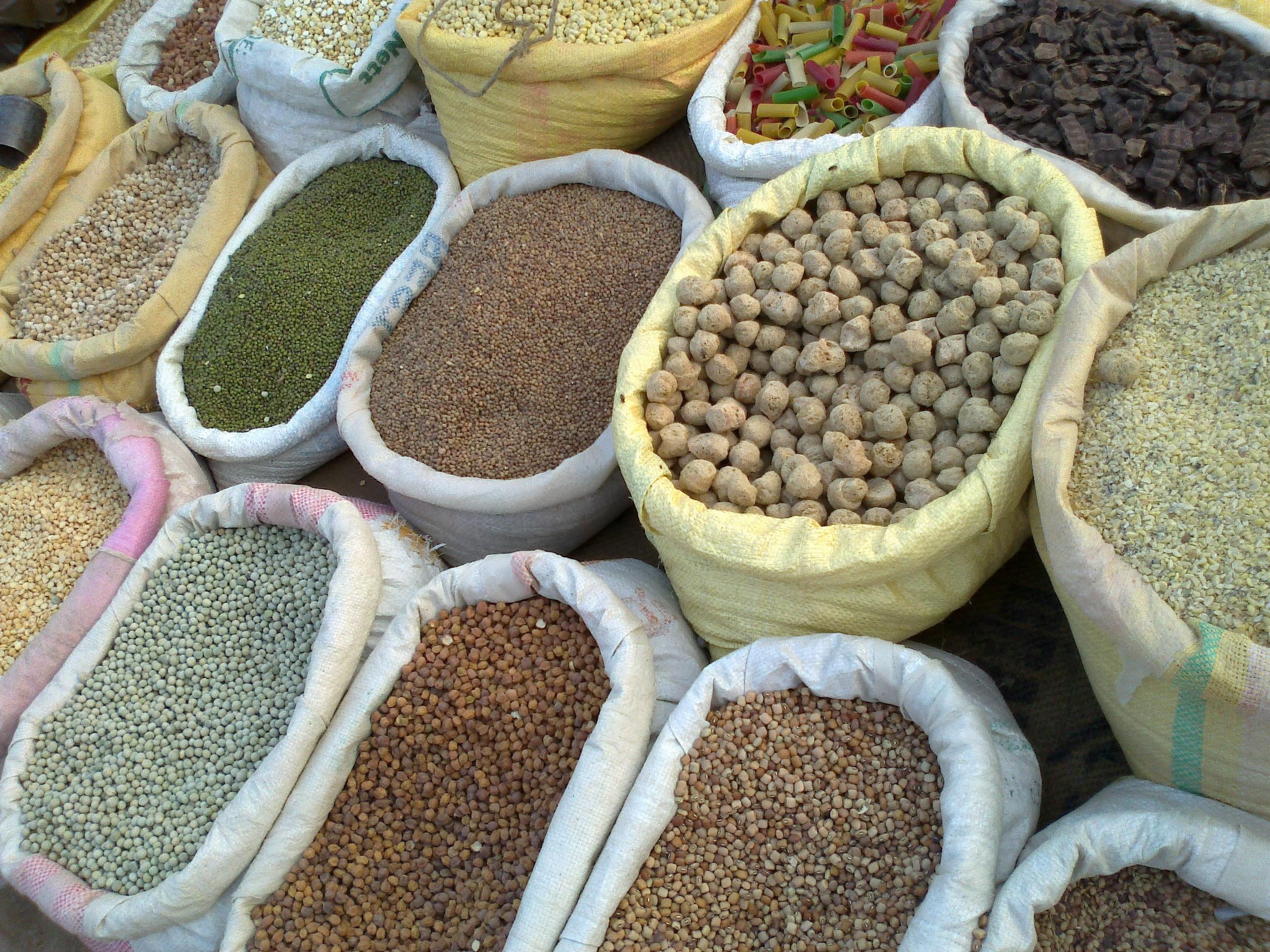
Understanding the Grain Journey from Field to Bowl
The journey of grains from expansive fields to your breakfast bowl is nothing short of fascinating. It begins with cultivation, where farmers carefully select their crops, often considering factors like climate, soil quality, and market demand. Once harvested, grains are moved to processing facilities, where they undergo a thorough cleaning process to remove impurities such as dirt, stones, and husks. This initial step ensures that only the finest grains are used, setting the stage for high-quality cereal products.
After cleaning, the grains are subjected to various processing techniques, which can include milling, flaking, or toasting. Each method serves a specific purpose in transforming the raw grain into a delightful breakfast option. For example, while milling breaks the grains down into flour, flaking creates the delicious, crispy texture found in many popular cereals. A brief comparison of processing methods is outlined in the table below, showcasing how each one influences the final cereal product:
| Processing Method | Description | Texture |
|---|---|---|
| Milling | Converts whole grains into flour for baking and cooking. | Fine and powdery. |
| Flaking | Steams and rolls grains into flat, crispy shapes. | Crunchy and light. |
| Toasting | Bakes grains at high temperatures to enhance flavor. | Dry and nutty. |
Once the grains are processed, they are fortified with essential nutrients, packaged, and delivered to grocery store shelves. Throughout this entire journey, each stage is meticulously controlled to ensure quality, safety, and taste. Understanding this intricate process not only deepens our appreciation for our morning bowls of cereal but also highlights the hard work that goes into making our breakfast a nutritious start to the day.

The Science of Flavors: How Taste is Engineered in Cereal Processing
The journey of transforming raw grains into your favorite breakfast cereal is not just a process but a careful orchestration of science and art. At the heart of this transformation lies the meticulous engineering of flavors. This begins with selecting high-quality grains that offer a solid flavor base, which are then subjected to processes such as toasting, extrusion, and flavor coating. Each technique enhances the natural attributes of the grain, while also allowing flavor compounds to develop and intensify. This creates a satisfying crunch and an aromatic allure that welcomes you as soon as you open the box.
Moreover, flavor additives play a pivotal role in creating the uniquely enjoyable profiles we associate with popular cereals. These can include natural fruit extracts, spices, and even scientifically crafted flavor compounds. To better understand the spectrum of taste engineering, consider the following key flavoring components:
| Flavor Component | Purpose |
|---|---|
| Natural Extracts | Enhance sweetness and fruitiness |
| Caramelization Products | Add depth and richness |
| Spices | Introduce warmth and complexity |
| Flavor Enhancers | Boost overall taste perception |
These carefully selected components not only cater to our taste buds but also engage our senses, contributing to a multisensory breakfast experience. As technology advances, the ability to engineer flavors in cereals is becoming more sophisticated, allowing manufacturers to create textures and tastes that are both unexpected and delightful.
Nutritional Fortification: Enhancing Benefits for a Healthier Breakfast
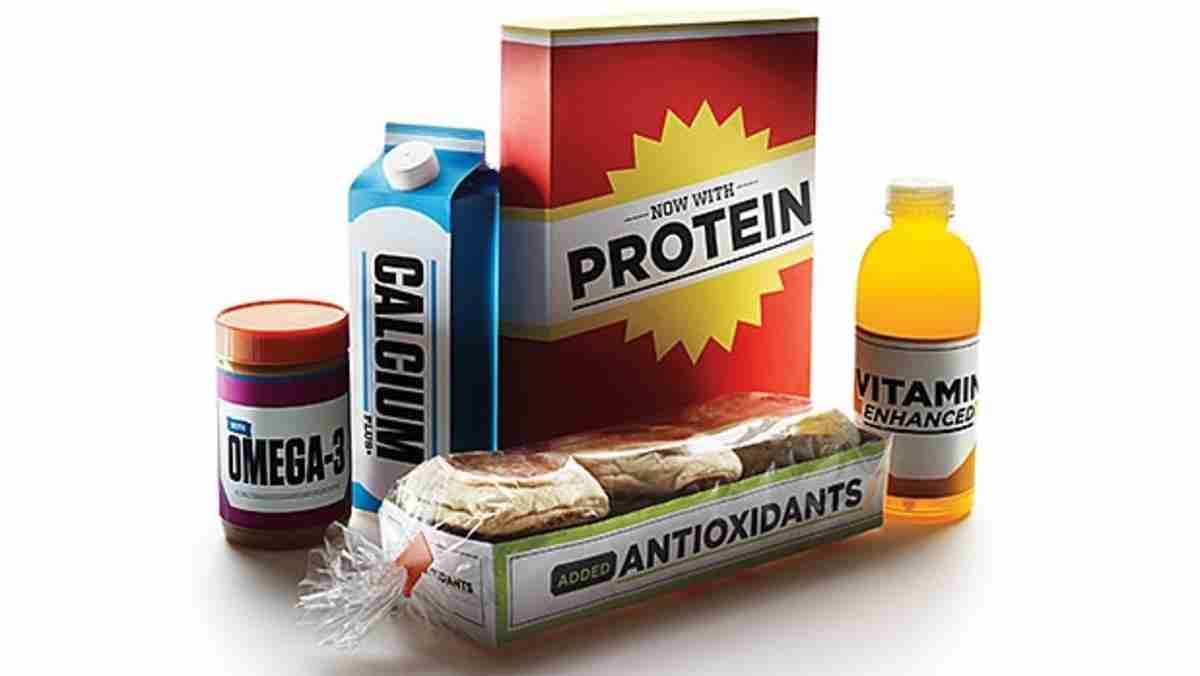
Nutritional fortification is a vital component in transforming ordinary breakfast cereals into supercharges of health and vitality. This process involves the addition of essential vitamins, minerals, and other beneficial compounds, making everyday cereals not just a convenient choice, but a powerhouse of nutrition. With increasing awareness around diet quality, many brands are stepping up their fortification game, often enhancing cereals with:
- Iron – crucial for oxygen transport in the body.
- Vitamin D – essential for bone health and immune support.
- Folate – helps in cell division and is particularly important during pregnancy.
- Calcium – key for developing strong bones and teeth.
The beauty of nutritional fortification lies not only in the health benefits but also in the variety it brings to breakfast options. With the market flooded with options, consumers can make informed choices that align with their dietary needs. This beneficial approach caters to many dietary preferences, allowing for greater inclusivity. Here’s a simple comparison of some common fortified cereals:
| Cereal | Fortified Nutrients | Health Benefits |
|---|---|---|
| Oats | Iron, Vitamin B12, Zinc | Energy boost, improved metabolism |
| Bran Flakes | Folate, Vitamin D, Calcium | Heart health, bone support |
| Cornflakes | Iron, Vitamin A, Thiamine | Improved vision, cognitive function |
Sustainable Practices: The Future of Eco-Friendly Cereal Production
As consumers become more eco-conscious, the cereal industry is pivoting towards sustainable practices that not only minimize environmental impact but also enhance the nutritional profile of breakfast staples. Innovative farming techniques, such as regenerative agriculture, have emerged, focusing on restoring soil health, increasing biodiversity, and reducing water use. These methods not only support the health of the planet but also yield ingredients with greater nutritional value. Moreover, cereal producers are exploring the use of heirloom grains, which offer unique flavors and superior nutrient profiles while promoting crop diversity. By prioritizing these practices, manufacturers are setting the stage for a future where breakfast is both delicious and environmentally friendly.
Furthermore, the circular economy is gaining traction within cereal production, emphasizing the reduction of waste through innovative solutions. Here are some exemplary initiatives being adopted:
- Upcycling by-products: Components such as bran and germ, traditionally discarded, are being repurposed into nutritious snacks or ingredient boosters.
- Water-efficient processing: New technologies are drastically reducing water usage during cereal production, curbing resource depletion.
- Biodegradable packaging: Many brands are now opting for sustainable packaging materials that decompose, minimizing landfill contributions.
| Practice | Benefit |
|---|---|
| Regenerative Agriculture | Improves soil health and biodiversity |
| Upcycling | Reduces waste and creates new products |
| Biodegradable Packaging | Minimizes environmental impact |
{” “}
In Conclusion
In wrapping up our exploration of cereal processing, we’ve peeled back the layers of a seemingly simple breakfast staple to reveal a world brimming with innovation, science, and tradition. From the careful selection of grains to the intricate methods of processing and packaging, each step plays a pivotal role in shaping the cereals we pour into our bowls each morning.
Understanding these processes not only enriches our appreciation for our breakfast choices but also empowers us as consumers. As we navigate the aisles filled with brightly colored boxes, we can make informed decisions that align with our health goals, preferences, and values.
So the next time you enjoy a hearty bowl of cereal, take a moment to reflect on the journey it has undergone—crafted by skilled hands and advanced technology, nurtured by research and a deep respect for nature. Breakfast may seem routine, but the secrets behind it are anything but ordinary. Unlocking them is just the beginning of a wider conversation about our food, our planet, and how we connect the two each and every day.



