
In the heart of the American Midwest, where golden fields stretch endlessly toward the horizon, a humble yet remarkable grain thrives: corn. This versatile crop has transcended its agricultural roots, weaving its way into the fabric of our lives, from the breakfast table to the industrial powerhouse. Yet, few pause to consider the intricate journey that transforms this sturdy plant into the fine flour that fluffs our breads and binds our recipes. “From Field to Flour: The Art and Science of Corn Processing” delves into this fascinating transformation, exploring the harmonious blend of traditional craftsmanship and modern technology that elevates corn from mere field crop to a staple ingredient cherished across cultures. Join us as we unravel the processes that underpin this culinary alchemy, revealing the profound complexities and innovations that make corn processing an essential facet of our food landscape.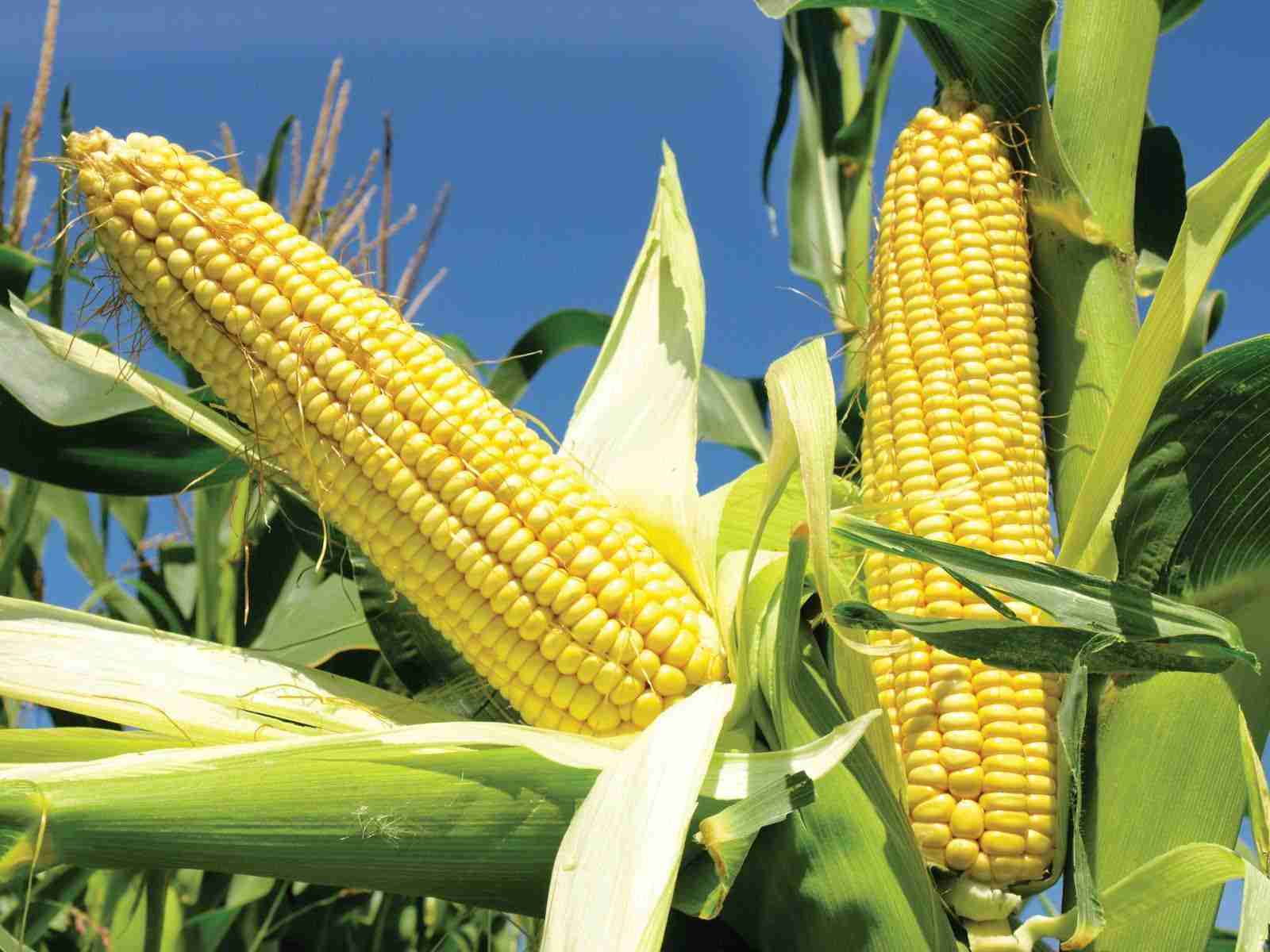
Exploring the Journey of Corn from Harvest to Mill
The journey of corn begins on vast fields, where each ear of corn is nurtured under the sun’s embrace. Farmers meticulously monitor their crops, ensuring optimal conditions for growth. Once the corn reaches maturity, the harvest transforms the vibrant fields into bustling hubs of activity. Mechanical harvesters glide efficiently through rows of corn, carefully collecting the ear while leaving the stalks behind, ready for their next life cycle. As the golden grain enters the processing facility, it embarks on a transformative journey that combines both art and science, paving the way for its final form: flour.
In the mill, the corn undergoes an intricate process that involves several stages to preserve its flavor and quality. Initially, the corn is cleaned to remove impurities, ensuring only the best kernels proceed to the next step. Following this, the grains are steamed to soften the outer hull, which facilitates easier grinding. As it passes through powerful mills, the corn is pulverized into fine particles, creating the flour that serves as a base for countless recipes. To further highlight the journey from field to finished product, the following table showcases the key stages and their purposes:
| Stage | Description |
|---|---|
| Harvest | Collecting mature corn from the fields. |
| Cleaning | Removing foreign particles from the kernels. |
| Steaming | Softening hulls for easier milling. |
| Grinding | Transforming kernels into flour. |
Understanding the Techniques Behind Quality Flour Production
The journey to creating quality flour begins with an intricate understanding of the corn kernel itself. Each kernel consists of three main parts: the pericarp (the outer shell), the endosperm (the starchy interior), and the germ (the embryo that can grow into a new plant). The first step in processing corn into flour is the dry milling or wet milling method, where the kernels are ground down to separate these components. Dry milling yields a finer flour as the kernels are processed without water, while wet milling allows for the extraction of valuable byproducts such as corn oil and starch. The selection of the milling technique directly influences the taste, texture, and nutritional profile of the final product.
Once the corn has been milled, the focus shifts to quality control to ensure that the flour is suitable for various culinary applications. Factors such as moisture content, particle size, and protein levels are meticulously measured and adjusted to meet industry standards. To illustrate these crucial factors, here’s a simplified overview of the quality parameters for corn flour:
| Quality Parameter | Ideal Range |
|---|---|
| Moisture Content | 13-15% |
| Particle Size | 80-100 microns |
| Protein Level | 6-9% |
By meticulously controlling these parameters, producers can ensure that the flour not only meets the required specifications but also enhances the overall culinary experience, delivering the rich flavors and textures that consumers expect from quality corn flour products.
Nutritional Benefits and Culinary Uses of Processed Corn
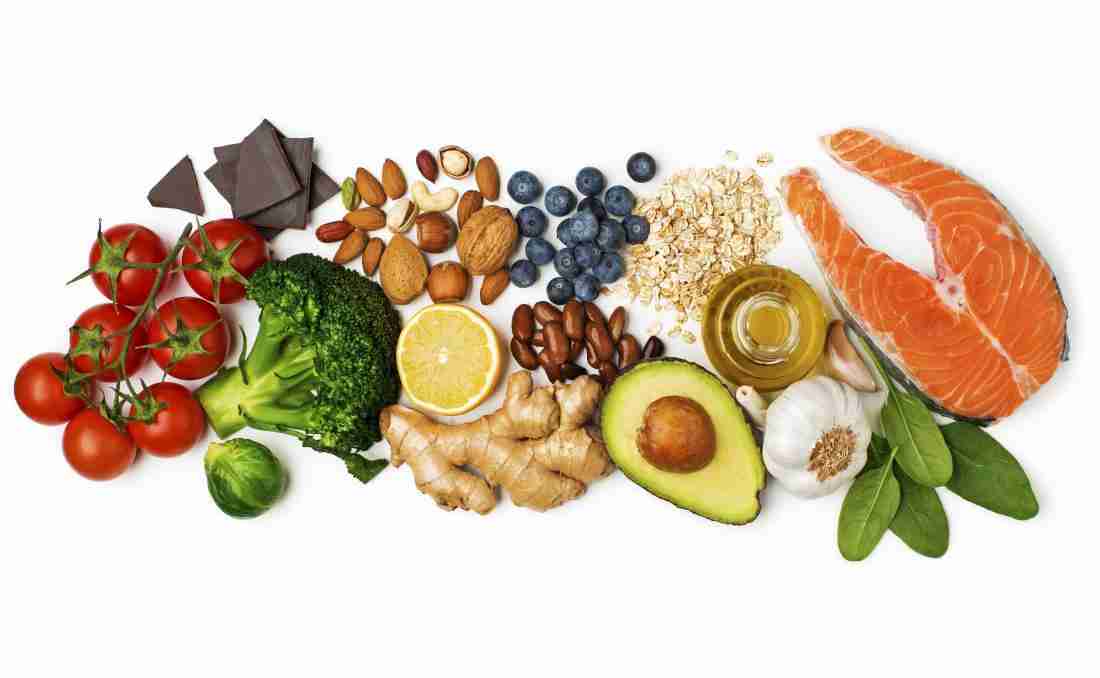
The versatility of processed corn extends beyond texture and flavor, offering a plethora of nutritional benefits that cater to diverse dietary needs. One of the standout attributes is its rich carbohydrate content, which provides a quick source of energy, ideal for fueling active lifestyles. Additionally, processed corn is often high in fiber, a critical nutrient that aids digestion and promotes a healthy gut. Many corn products are fortified with vitamins such as B6, which plays a vital role in metabolism, and minerals like magnesium, essential for bone health and muscle function. Some popular processed corn products include cornmeal, polenta, and tortillas, each brimming with a unique set of nutrients that can elevate any meal.
Beyond nutrition, the culinary applications of processed corn are both rich and diverse. From the humble corn tortilla, a staple in Mexican cuisine, to cornbread that graces Southern tables, the uses are endless. Chefs and home cooks alike appreciate the texture and flavor profiles that processed corn brings, making it a favored choice for creating dishes like corn chowder, popcorn, and corn-based snacks that cater to various palates. Here’s a quick breakdown of some common processed corn products and their culinary uses:
| Processed Corn Product | Culinary Uses |
|---|---|
| Cornmeal | Used for baking, creating polenta, and as a breading for fried foods. |
| Corn Flour | Ideal for thickening sauces and making gluten-free baked goods. |
| Cornstarch | Excellent for thickening soups and sauces; often used in desserts. |
| Popcorn | A popular snack, can be flavored sweet or savory. |
| Tortillas | Essential for wraps, tacos, and quesadillas. |

Sustainable Practices in Corn Processing for Future Generations
In the ever-evolving landscape of agriculture, the corn processing industry is increasingly embracing sustainable practices to safeguard the environment and ensure a healthy future for generations to come. By implementing techniques that reduce waste and promote renewable energy, processors can create an efficient cycle that benefits both the land and the community. Key initiatives include:
- Water Conservation: Use of advanced irrigation systems and rainwater harvesting to maximize water efficiency.
- Renewable Energy Sources: Incorporating solar panels and wind turbines to power processing facilities, minimizing reliance on fossil fuels.
- Waste Reduction: Utilizing by-products from corn processing in animal feed, biofuel production, or composting to reduce landfill impact.
Moreover, successful corn processing not only relies on current technologies but also focuses on educating farmers and workers about sustainable agricultural practices. From crop rotation to organic farming, these methods can enhance soil health and support biodiversity. The integration of technology further facilitates these transformations, such as:
| Technology | Benefit |
|---|---|
| Drones | Precision farming and monitoring of crop health |
| Data Analytics | Optimizing resource use and yield predictions |
| Biotechnology | Developing drought-resistant corn varieties |
Through a combination of innovation, education, and commitment to the environment, the corn processing industry can pave the way for sustainable practices that not only meet today’s needs but also protect the future of our planet.
Insights and Conclusions
As we reach the final kernels of insight in our exploration of corn processing, it becomes clear that this journey from field to flour is much more than a mere transformation of a crop. It is a harmonious blend of art and science—a delicate choreography between nature’s bounty and human ingenuity. Each step, from the cultivation of corn stalks that sway in the summer breeze to the meticulous milling processes that yield soft, fine flour, is a testament to centuries of agricultural wisdom and technological advancement.
Understanding this intricate tapestry invites us to appreciate the ingredients that nourish our daily lives. As we sift through the rich history of corn—its cultural significance, its nutritional value, and its myriad applications—we uncover the dedication of farmers, millers, and culinary artisans who each play a pivotal role in this age-old craft.
In our fast-paced world, it’s easy to overlook the origins of our food. Yet, every bite of bread, each fluffy pancake, and every comforting bowl of polenta tells a story—a story rooted in the soil, shaped by innovation, and crafted with care. So, the next time you sprinkle cornmeal into your recipe or savor the warm aroma of baked goods, take a moment to reflect on the journey that brought those simple pleasures to your table. The art and science of corn processing are woven into the very fabric of our culinary experience, inviting us to celebrate the lush possibilities that lie within this golden grain.



