
From Kernel to Commodity: The Art of Corn Processing
In the lush expanse of American farmlands, the humble corn kernel embarks on a remarkable journey from its golden roots to becoming a cornerstone of global commerce. This vibrant grain, once celebrated by ancient civilizations, has transcended its role as a staple food to evolve into a multifaceted commodity that feeds billions, fuels industries, and shapes economies. But what lies beneath the surface of this prolific plant? “From Kernel to Commodity: The Art of Corn Processing” explores the intricate processes that transform simple grains into an array of products, from corn syrup to biofuels. As we peel back the layers of corn’s journey, we will uncover the innovations, technologies, and artistry involved in its processing—showing how a single kernel can hold the potential to impact our lives in myriad ways. Join us as we traverse this fascinating landscape, revealing the unseen craftsmanship that propels corn from farm to market, and beyond.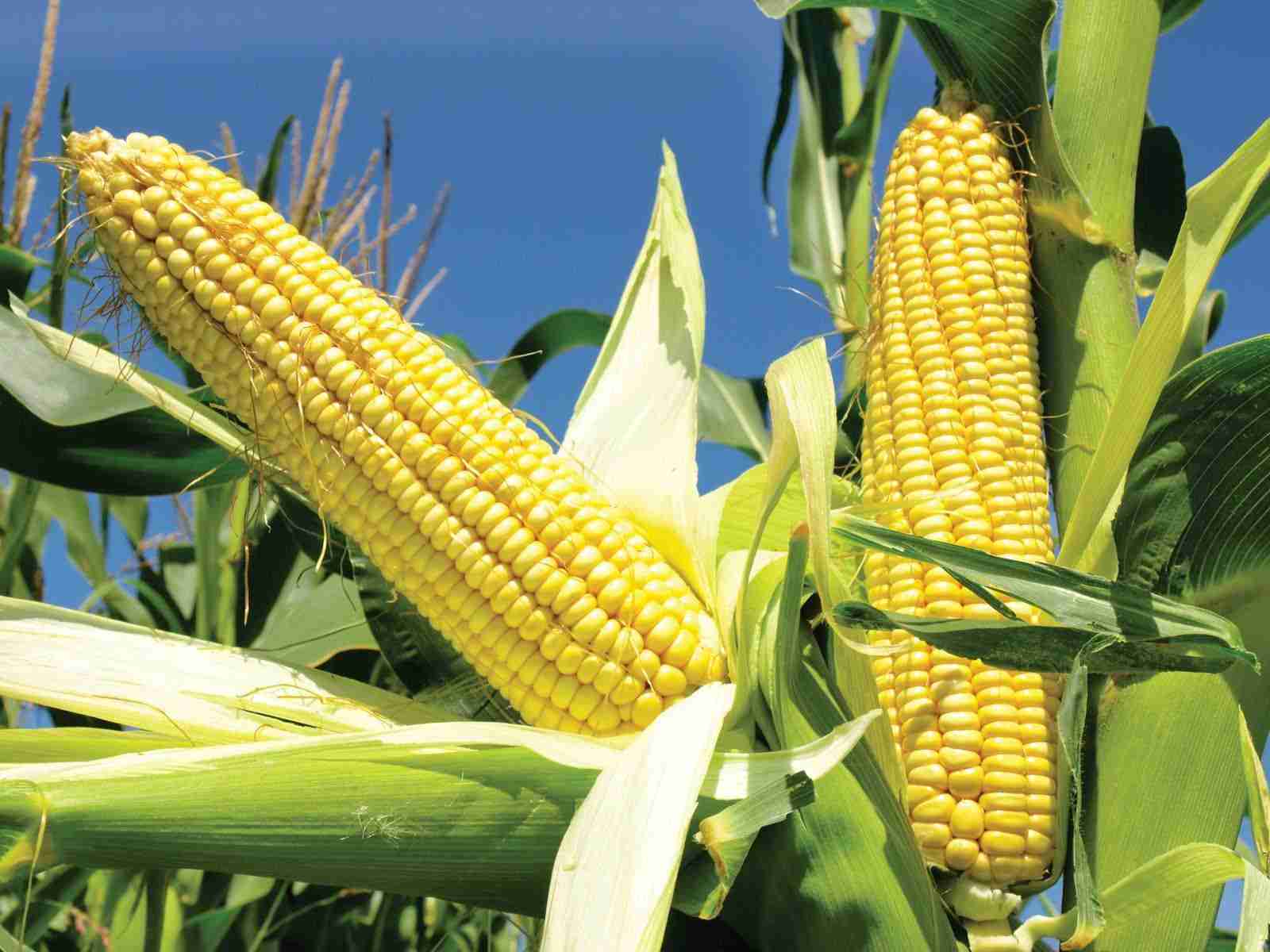
The Journey of Corn: Understanding the Lifecycle from Kernel to Commodity
At the heart of corn’s journey lies a remarkable transformation that begins with a simple kernel. Each kernel, a tiny powerhouse, is rich in nutrients and water, serving as the foundation for what will eventually become a bountiful harvest. Once planted, the kernels germinate, sprouting into plants that thrive under the sun. Throughout the growing season, these young cornstalks utilize photosynthesis to convert sunlight into energy, leading to the formation of ears laden with mature kernels. By the time harvest arrives, a single corn kernel has evolved into a collection of potential, embodying the very essence of agricultural innovation.
The pathway from farm to table further unfolds through a meticulous series of processing steps that elevate raw corn into various commodities. This journey entails several key stages:
- Harvesting: Corn is collected when it reaches its peak maturity, ensuring optimal quality and yield.
- Drying: Post-harvest, the corn is dried to reduce moisture content, preventing spoilage.
- Shelling: The kernels are separated from their cobs, ready for various uses.
- Milling: For products like cornmeal or corn flour, kernels are ground into fine powder.
As corn moves through these stages, it can be transformed into a myriad of products, from sweeteners and oils to biofuels and livestock feed. This versatility highlights the importance of corn processing in meeting global food demands, alongside contributing to economic stability. The following table showcases some popular corn derivatives and their common applications:
| Corn Product | Common Uses |
|---|---|
| Corn Starch | Thickening agent in cooking and baking |
| Corn Syrup | Sweetener for food and beverages |
| Ethyl Alcohol | Fuel and industrial uses |
| Cornmeal | Baking and frying |
Through each phase of its lifecycle, corn embodies resilience and adaptability, making it one of the most significant crops in human history. As we delve deeper into this journey, we uncover not just a process, but a testament to agricultural science and the transformative power of nature’s bounty.

Innovative Techniques in Corn Processing: A Look at Modern Approaches
In recent years, the corn processing industry has witnessed a transformation driven by innovation and technology. Modern approaches have replaced traditional methods, propelling efficiency and sustainability to the forefront. Techniques such as dry milling and wet milling have been optimized, enabling processors to maximize yield and enhance the quality of byproducts. For instance, advances in enzymatic treatments allow for improved starch conversion rates, facilitating the production of high fructose corn syrup and bioethanol. The integration of automation and data analytics offers real-time monitoring and predictive maintenance, reducing operational downtime and enhancing product consistency.
Furthermore, the exploration of biodegradable bioplastics made from corn starch is on the rise, providing a sustainable alternative to petroleum-based products. In addition, processing techniques are evolving to capture and utilize byproducts in innovative ways – for example, technologies that convert corn husks into fiber reinforce the sustainability narrative. The impact of these modern approaches can be summarized as follows:
- Enhanced Efficiency: Reduced energy consumption and operational costs
- Sustainability: Innovative byproducts reduce waste and environmental impact
- Quality Control: Advanced monitoring systems ensure product consistency

Maximizing Value: The Economic Benefits of Efficient Processing Practices
Efficient processing practices in the corn industry not only enhance productivity but also significantly improve economic returns. By minimizing waste and maximizing output, stakeholders can capitalize on every kernel, turning potential losses into profit margins. Implementing cutting-edge technologies such as automated sorting and real-time monitoring systems ensures a consistent quality of the end product. This adoption of high-tech solutions contributes to better management of resources, including water and energy, driving down overall costs.
Moreover, the integration of sustainable approaches in processing practices fosters a circular economy. By reusing by-products from corn processing, businesses can create additional revenue streams. Key benefits include:
- Cost Reduction: Lower operating expenses through efficient resource management.
- Increased Market Value: Higher quality products commanding premium pricing.
- Enhanced Brand Image: Sustainability initiatives appealing to eco-conscious consumers.
With the right processing techniques, farmers and producers can transform raw corn into value-added products like biofuels, corn syrup, and animal feed, thereby expanding their market reach and diversifying their income. The resulting positive impact on local economies is tangible, contributing to job creation and community growth while fostering a resilient agricultural sector.

Sustainable Strategies: Reducing Waste in the Corn Processing Industry
In the corn processing industry, innovative methods have emerged to minimize waste and enhance sustainability. By adopting a circular economy approach, companies can ensure that every part of the corn plant is utilized effectively. This involves transforming by-products into usable resources rather than disposing of them. For example, biomass from corn husks can be converted into energy, while corn oil extracted from kernels may serve as an alternative to fossil fuels. With advanced technologies and sustainable practices, operators can not only reduce their environmental footprint but also create new revenue streams.
To further emphasize waste reduction, processing facilities are implementing several key strategies:
- Water management: Optimizing water usage during processing to ensure minimal waste and contamination.
- Composting: Utilizing organic waste from the processing plant to create nutrient-rich compost for agriculture.
- Product innovations: Developing new products from waste materials, such as biodegradable packaging from cornstarch.
In addition to these initiatives, organizations are increasingly focusing on collaboration across the supply chain to share knowledge and resources. By integrating waste reduction as a core element of their operations, they not only improve their ecological footprint but also reinforce their market position through sustainable practices.
| Strategy | Description |
|---|---|
| Biomass Conversion | Utilization of corn plant residues for energy production. |
| Effective Water Usage | Techniques to minimize water waste during processing. |
| Recycling and Upcycling | Creating new products from processing by-products. |
Concluding Remarks
As we draw the husk back on the intricate journey of corn processing, it’s clear that this golden grain is much more than a mere staple—it’s a testament to human ingenuity and adaptability. From its humble beginnings as a kernel, corn transforms through a mosaic of techniques and innovations that highlight the art and science of processing. Each step, whether it’s milling, fermenting, or refining, contributes to the rich tapestry of culinary and industrial applications that have come to define modern life.
While the corn cob may rest at the center of our exploration, the story extends far beyond. It encompasses cultures, economies, and sustainability efforts that underscore our relationship with this versatile crop. As we conclude our exploration, let us remember that the transformation of corn is not just a tale of commodities, but a reflection of humanity’s ongoing quest for creativity, resourcefulness, and connection to the earth. The journey from kernel to commodity is a celebration of both the past and future, reminding us that even the simplest ingredients can lead to extraordinary outcomes.



