
Unveiling the Art of Maize Milling: Grains to Greatness
In the heart of many culinary traditions lies a humble grain that has nourished civilizations for centuries — maize. This versatile crop, revered for its rich history and cultural significance, transforms from a simple kernel into a multitude of gastronomic delights that grace our tables. Yet, the journey of maize from field to flour is often overlooked, a meticulous process that weaves together tradition, technology, and artistry.
In this exploration of maize milling, we delve into the intricate world where grains are not merely processed, but elevated to greatness. From traditional methods passed down through generations to modern milling innovations that enhance efficiency and sustainability, this article uncovers the craftsmanship behind the transformation of maize. Join us as we celebrate the alchemy of maize milling, a crucial link in the food chain that marries heritage with innovation, and discover how this age-old practice continues to shape our culinary landscape.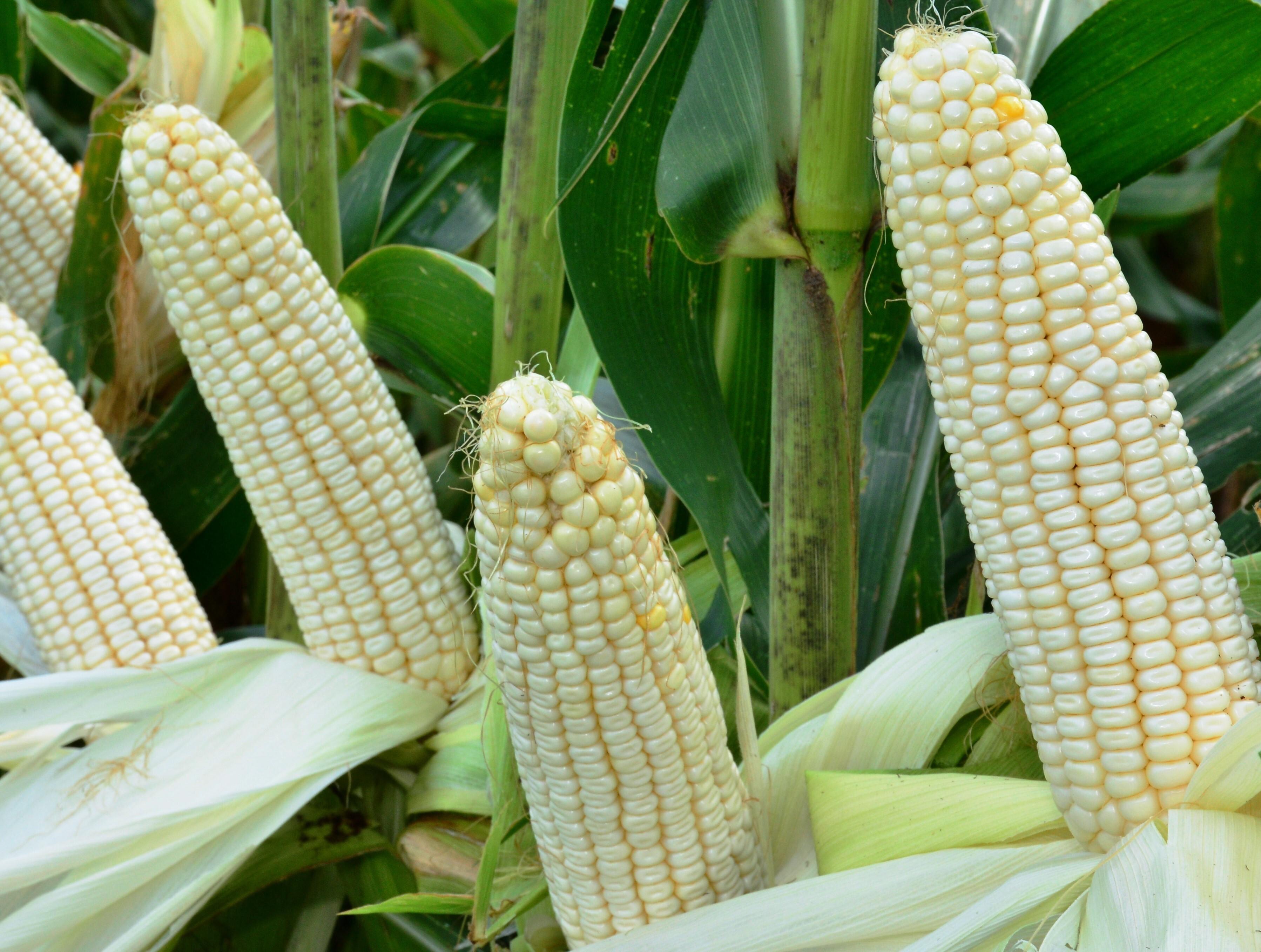
Understanding the Journey of Maize from Field to Flour
The journey of maize from field to flour is a fascinating process that begins with the careful cultivation of this versatile crop. Farmers meticulously prepare the soil, ensuring it is rich in nutrients and well-drained, which sets the stage for a successful harvest. Once the maize is planted, it grows through various stages, thriving under the sun and absorbing water from rainfall or irrigation. The harvesting phase is critical, as growers use specialized machinery to collect the ripe ears, which are then transported to milling facilities. Here, the maize undergoes a transformative journey, starting from kernel selection, drying, and grading. Each step is crucial to ensuring that only the highest quality kernels are utilized in the milling process.
At the milling facility, the selected maize kernels undergo several stages of processing. The procedure typically includes:
- Cleaning: Removing impurities like dust and debris.
- Decortication: Removing the outer hulls to reveal the inner kernel.
- Grinding: Transforming the kernels into flour through different milling techniques.
- Sieving: Separating fine flour from coarser particles.
- Packaging: Preparing the final product for distribution.
Each of these stages is finely tuned to maximize efficiency and quality, ultimately resulting in flour that is ready for a multitude of culinary uses. The entire process emphasizes not only the importance of maize itself but also the dedication of those who contribute to its journey, reflecting a blend of agricultural tradition and modern technology.

Exploring the Essential Equipment for Efficient Milling
In the realm of maize milling, having the right equipment is crucial for transforming raw grains into high-quality flour and meal. At the heart of this process lies the milling machine itself, which comes in various types, each tailored for specific purposes. The most common choices include hammer mills, roller mills, and stone mills. Each of these machines harnesses unique mechanisms to achieve the desired texture and consistency, ensuring that the end product meets industry standards. Additionally, the incorporation of screeners is vital for sorting the finished product, allowing millers to remove any impurities and ensure a uniform particle size.
To enhance efficiency further, a well-equipped milling facility often features ancillary machines that streamline the process. Essential tools include conveyors for transporting grains, sifters for separating fine flour from coarse meal, and blenders to achieve consistent mixing for various recipes. The integration of storage silos is equally important, as they protect grains from environmental elements while allowing for easy access. Below is a simple overview of some essential equipment used in maize milling:
| Equipment | Purpose |
|---|---|
| Milling Machine | Crushes and grinds maize to desired flouring |
| Conveyor | Efficiently moves grains between processes |
| Sifter | Separates flour based on particle size |
| Blender | Mixes flour with additives for consistency |
| Storage Silo | Holds grains to ensure quality and freshness |

Crafting Quality: Techniques for Superior Maize Products
To achieve exceptional maize products, embracing meticulous techniques is crucial. The process begins with selecting high-quality maize grains, sourced from trusted suppliers to ensure superior taste and texture. Proper cleaning and sorting eliminate impurities and damaged kernels, setting a strong foundation for milling. Further steps involve maintaining optimal moisture content; this enhances the milling process and yields a finer product. Additionally, utilizing advanced milling machinery plays a pivotal role in transforming these grains into desirable forms such as flour, grits, or meals.
Moreover, the art of maize milling incorporates various grinding methods tailored to specific end products. For instance, employing stone milling preserves more nutrients and flavor, producing a coarser grain ideal for traditional recipes. In contrast, hammer milling allows for a finer and more uniform flour, widely sought after in modern baking. Understanding the unique attributes of each milling technique and their applications can significantly influence the final product, offering consumers a wide range of maize-based delights. Below is a brief comparison of the milling methods:
| Method | Texture | Best Use |
|---|---|---|
| Stone Milling | Coarse | Traditional dishes |
| Hammer Milling | Fine | Baking and pastries |
| Roller Milling | Very fine | Commercial use |

Sustainable Practices in Maize Milling for a Greener Future
In the quest for a more sustainable future, the maize milling industry is embracing innovative practices that not only enhance productivity but also protect the environment. By focusing on eco-friendly techniques, millers are reducing waste, conserving energy, and ensuring that their operations contribute positively to the surrounding ecosystem. Some of the effective sustainable practices include:
- Energy Efficiency: Employing energy-efficient machinery and techniques to minimize power consumption during milling.
- Water Conservation: Implementing closed-loop water systems to recycle water used in the milling process.
- Waste Utilization: Converting by-products from milling, such as husks and bran, into animal feed or bioenergy.
- Sourcing Locally: Utilizing locally sourced maize to decrease transportation emissions and support local farmers.
Furthermore, adopting tech-driven solutions can significantly reduce the environmental footprint. Modern milling facilities are increasingly integrating advanced technologies like IoT monitoring systems and AI-powered analytics to optimize operations and reduce waste. The following table illustrates some key areas where technology can enhance sustainability:
| Technology | Benefits |
|---|---|
| IoT Sensors | Real-time monitoring of energy use and water levels to prevent waste. |
| AI Analytics | Predictive analytics for optimizing processing times and reducing downtime. |
| Automated Controls | Streamline operations and minimize manual intervention, enhancing safety. |
By embracing a holistic approach to sustainability, the maize milling industry is not merely focusing on the present but is paving the way for a greener tomorrow. These sustainable practices reflect a commitment to environmental stewardship while also addressing the growing demand for ethically sourced and processed food products.
In Summary
In the intricate dance between grain and machine, the art of maize milling emerges as a harmonious blend of tradition and innovation. From the moment the sun-kissed kernels are harvested to their transformative journey into flour, each step in the milling process encapsulates centuries of craftsmanship and expertise. As we unveil the many layers of this culinary craft, we discover that maize milling is not merely a means to an end—it is a celebration of the connection between nature and nourishment.
As we draw this exploration to a close, let us carry forward the understanding that every handful of flour has a story, a legacy that enriches our plates and nourishes our communities. With each recipe that calls for this versatile grain, we honor the millers—past and present—who have devoted their lives to perfecting this craft. So, whether you’re a home baker or a professional chef, remember that the journey from grain to greatness begins with an appreciation for the art of maize milling. Cheers to the rich tapestry of flavors and cultures that maize continues to weave into our lives!



