
In a world where the crunch of breakfast cereal marks the start of countless mornings, the journey from humble grain to the golden flakes in your bowl remains a fascinating yet often overlooked craft. “Unveiling the Art of Cereal Milling: Crafting Grain to Gold” delves into the meticulous process that transforms raw grains into the beloved breakfast staple we know today. This article aims to illuminate the intricate techniques, time-honored traditions, and innovative technologies that define the cereal milling industry. Join us as we explore the hidden artistry behind a seemingly simple act, revealing the profound impact of cereal milling on our diets and the agricultural landscape, turning the ordinary into the extraordinary, one grain at a time.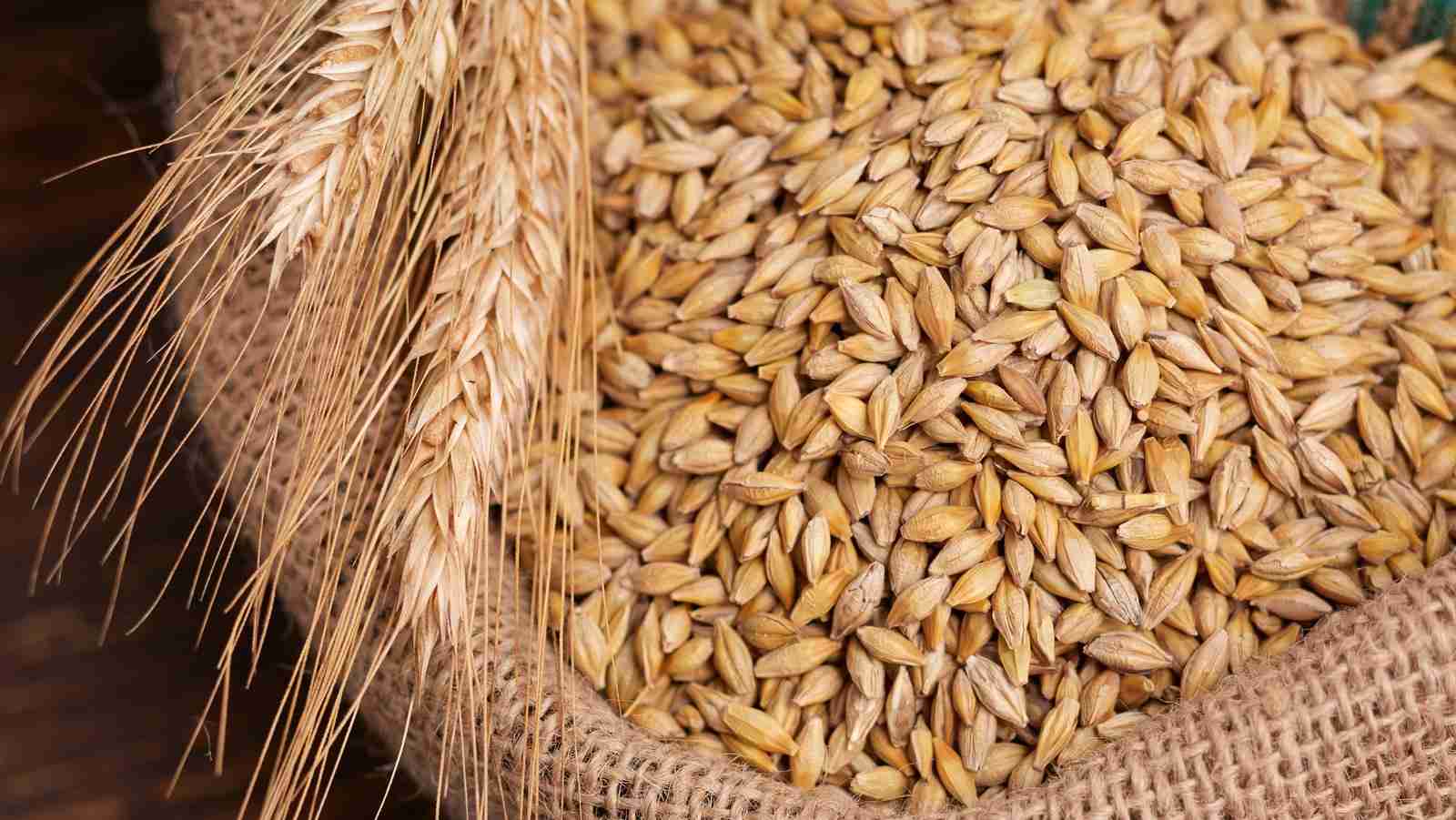
Understanding the Grain: The Foundation of Quality Cereal Milling
At the heart of exceptional cereal milling lies a deep understanding of the grain itself. Each type of grain brings its unique characteristics, influencing not only the flavor and texture of the final product but also the milling process. To achieve the perfect balance of quality and performance, millers need to consider factors such as grain type, moisture content, and hardness. Hard wheats, for example, yield strong gluten, making them ideal for bread flour, while soft wheats are better suited for delicate pastries. This careful selection process ensures that each batch starts off on the right foot, paving the way for fruitful milling operations.
The journey of grain transformation begins with meticulous testing and analysis. Millers evaluate various attributes through methods such as Moisture Testing, Protein Content Analysis, and Kernel Hardness Evaluation. These assessments not only assure quality but also determine how the grain will respond during milling.
| Grain Type | Ideal Use | Key Trait |
|---|---|---|
| Hard Wheat | Bread | High Protein |
| Soft Wheat | Pastry | Low Protein |
| Corn | Polenta | Sweetness |
This profound insight into the grain’s nature is the cornerstone for achieving minimal waste and maximized yield, solidifying the miller’s role as both artist and scientist in the craft of milling.
The Milling Process: Techniques for Transforming Grain into Flour
Transforming grain into flour is a captivating process that melds ancient techniques with modern technology. The journey begins with the careful selection of high-quality grains, be it wheat, rye, or corn, which are then cleaned to remove impurities. Following this, the selected grains undergo a variety of grinding processes, each tailored to achieve the desired flour texture. The primary methods of milling include:
- Stone Milling: A traditional technique that uses large stones to crush grains, preserving their nutrients and flavor.
- Roller Milling: A more modern method where steel rollers pulverize the grain, creating a fine, uniform flour.
- Impact Milling: This technique employs high-speed rotors to create a whirlwind effect, breaking down the grain into fine particles.
Each method imparts unique characteristics to the flour, influencing its baking properties and nutritional profile. As the grains are transformed, they pass through various stages, including sifting and blending, which ensure a consistent product. Below is a table highlighting the common types of flour produced and their ideal uses:
| Type of Flour | Grain Source | Preferred Uses |
|---|---|---|
| All-Purpose Flour | Wheat | Bread, cakes, pastries |
| Whole Wheat Flour | Wheat | Breads, muffins |
| Cornmeal | Corn | Polenta, cornbread |

Enhancing Flavor and Nutrition: The Role of Additives and Enrichment
The evolution of cereal milling has transformed mere grains into nutritional powerhouses, primarily through the strategic use of additives and fortification. By integrating various components, millers can significantly enhance both the flavor profiles and health benefits of cereals. Natural sweeteners, fruits, and spices serve not just to tantalize the taste buds but also to impart essential nutrients, bringing vibrancy and balance to breakfast tables across the globe. Additionally, the incorporation of functional ingredients like probiotics and omega-3 fatty acids elevates cereals from standard fare to holistic dietary choices that support modern wellness trends.
Moreover, the process of enrichment is pivotal in addressing nutritional deficiencies commonly encountered in many populations. Essential vitamins and minerals such as iron, calcium, and B vitamins are systematically added to cereals, helping to bridge gaps in daily nutrient intake. This approach is particularly vital in areas with limited access to a diverse diet. Below is a glimpse into the role of common additives in modern cereal products:
| Additive | Function | Benefits |
|---|---|---|
| Vitamin D | Bone Health | Supports immune function and bone development. |
| Folic Acid | Cell Division | Essential for pregnant women to prevent neural tube defects. |
| Iron | Energy Production | Prevents anemia and promotes energy levels. |

Sustainability in Milling: Best Practices for a Greener Future
In the quest for a sustainable future, cereal milling is evolving to embrace practices that not only improve efficiency but also minimize the environmental footprint. From sourcing raw materials to the final product, millers can adopt methods that enhance sustainability. Key practices include:
- Utilizing renewable energy sources such as solar panels or wind turbines to power milling operations.
- Implementing water conservation techniques, such as recirculating water systems, to reduce usage in processing.
- Prioritizing local sourcing of grains to minimize transportation emissions and support local agriculture.
- Adopting biodegradable packaging solutions to reduce plastic waste associated with cereal products.
Moreover, the integration of technology in milling processes advances both productivity and sustainability. For instance, precision milling techniques allow for maximum yield from grains, ensuring minimal waste. Additionally, companies can track and analyze their supply chains to identify areas for improvement. Here are some exemplary metrics that highlight progress in the milling sector:
| Metric | 2010 | 2023 | Improvement |
|---|---|---|---|
| Energy Use (kWh per ton) | 150 | 100 | 33% reduction |
| Water Use (liters per ton) | 200 | 120 | 40% reduction |
| Waste Production (kg per ton) | 50 | 20 | 60% reduction |
Key Takeaways
As we conclude our exploration of cereal milling, it’s clear that this age-old practice is more than just a means of processing grains. It’s an intricate dance of science and art, where each stage of milling transforms humble seeds into essential food products that nourish countless lives. The journey from field to flour illustrates the remarkable ingenuity of millers, whose skillful hands and sophisticated technology work in harmony to unlock the hidden potential of every grain.
With each kernel that graces our tables, we are reminded of the rich and layered history behind our daily sustenance. The craft of milling is a testament to human innovation, sustainability, and the enduring connection to the land. As the world continues to evolve and our appetites grow increasingly diverse, the dedication to mastering this art form remains steadfast.
So, the next time you pour a bowl of cereal or savor a freshly baked loaf, take a moment to appreciate the invisible journey it undertook. In the tapestry of food production, cereal milling stands as a golden thread—an essential craft that transforms grains into the very foundation of our meals. Here’s to the millers who keep this timeless art alive, one grain at a time.



