
From Grain to Flour: Unveiling the Cereal Milling Process
In a world where convenience often reigns supreme, the humble grain remains a cornerstone of our daily lives, quietly transforming into the flour that forms the basis of many of our favorite foods. The journey from golden fields of cereal crops to the fine powder sitting in our kitchen cabinets is a fascinating odyssey that intertwines nature, technology, and craftsmanship. This article invites you to embark on a journey through the intricate cereal milling process—an age-old technique that has evolved over centuries yet continues to play a vital role in our modern diets. As we peel back the layers of this process, we will explore the stages of transformation, the equipment employed, and the vital importance of each step. Join us as we unveil the art and science of converting simple grains into the flour that nourishes our bodies and fuels our culinary adventures.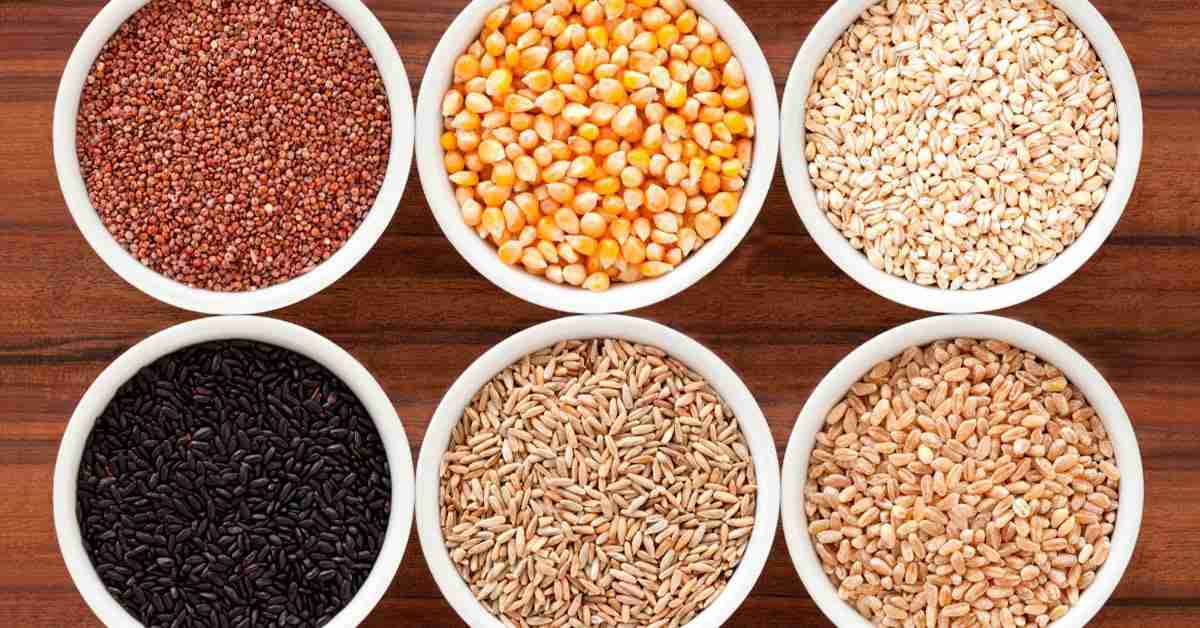
Understanding the Journey from Grain to Flour
The transformation from harvested grains to the fine flour you use in your kitchen involves a meticulous process that combines traditional techniques with modern technology. Initially, grains like wheat, corn, and rye are collected from the fields and thoroughly cleaned to remove impurities and foreign materials. This cleaning process typically involves several steps:
- Screening: Using screens to separate larger debris.
- Air Separation: Blowing away lighter particles and husks.
- Washing: Removing contaminants using water.
Once cleaned, the grains undergo the milling process, which involves grinding the grains into a powder. This is often done in multiple stages to achieve the desired flour quality. The milling process can be classified into two main techniques: dry milling and wet milling. In dry milling, grains are ground without the addition of water, producing flour with varied textures. In contrast, wet milling involves soaking the grains, allowing for the extraction of starch and resulting in a finer flour consistency. Below is a brief comparison of the two methods:
| Method | Description | Uses |
|---|---|---|
| Dry Milling | Grinding grains without water | Breads, pastries |
| Wet Milling | Soaking grains before grinding | Flours for sauces, batters |
Essential Equipment in the Cereal Milling Process
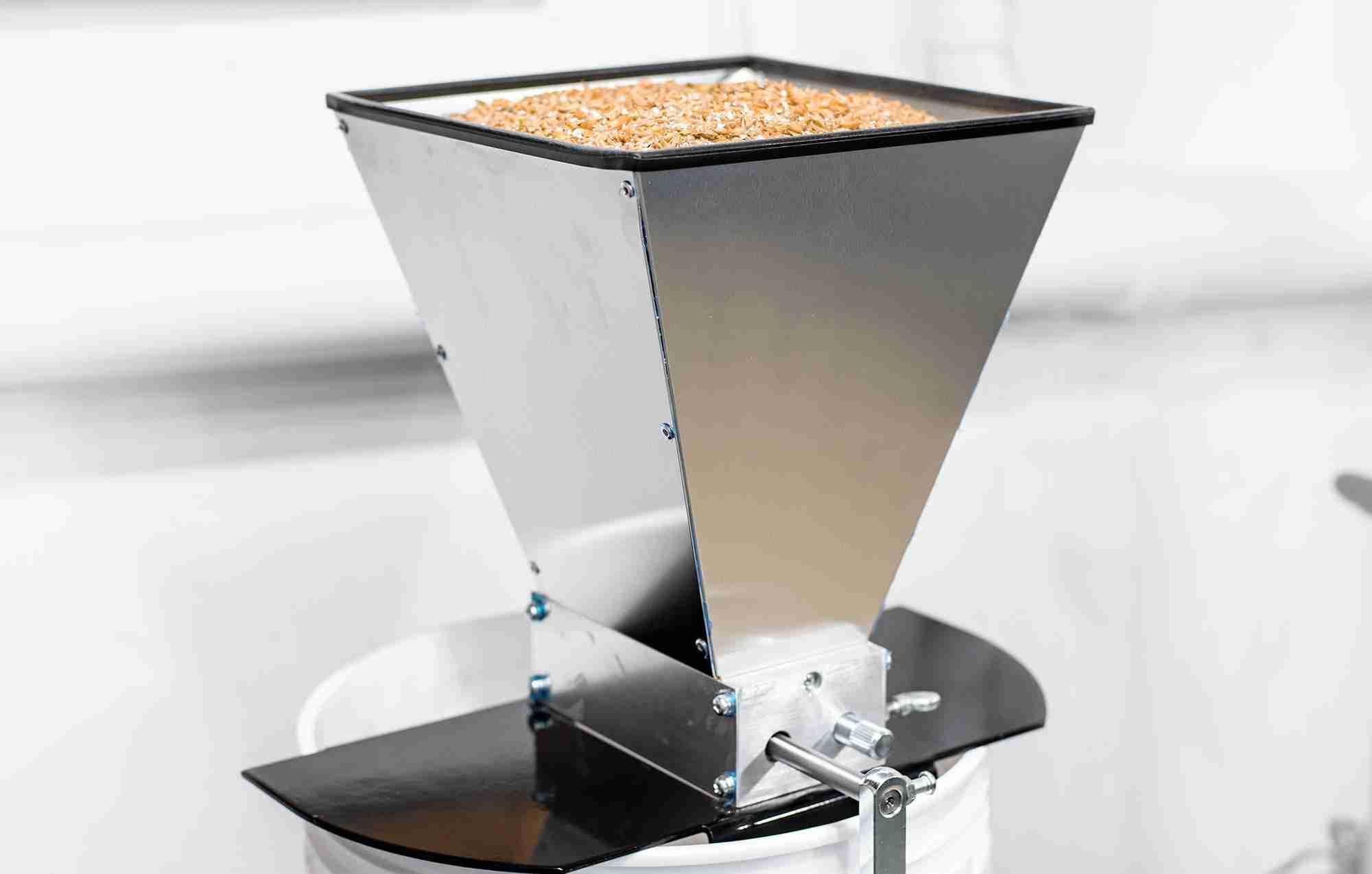
To transform raw grains into flour, a well-coordinated set of equipment is pivotal in ensuring optimal efficiency and quality. The milling process begins with the grain cleaner, which purges impurities and foreign materials, ensuring only high-grade grains proceed to the next stage. Following this, the dehuller plays a crucial role in removing inedible outer layers, thereby preserving the nutrient-rich inner content. Once the grains are prepped, they are subjected to the milling machine, which employs a series of roller mills, grindstones, or hammer mills to reduce the grain size into fine flour. This complex operation is complemented by sifters that separate flour particles according to size, ensuring a consistent end product.
Supporting these essential machines are various auxiliary tools that enhance the milling process. Among these, moisture meters are vital for monitoring grain humidity, while conveyors assist in the efficient transport of raw grains and finished flour. Additionally, the packaging unit stands at the end of the line, ensuring that flour is stored properly for distribution. The synergy of these components not only streamlines production but also contributes significantly to quality control, helping millers maintain high standards and meet consumer expectations.
Quality Control Measures for Optimal Flour Production
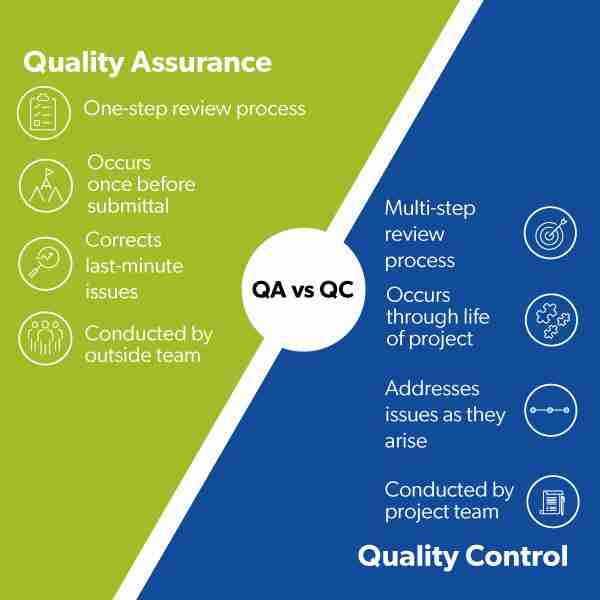
Ensuring the highest quality of flour begins long before the milling process itself. Key measures are put in place during the grain selection phase, where only the finest grains are chosen based on specific criteria. Various tests are conducted to assess factors such as moisture content, protein levels, and kernel hardness. This meticulous attention to detail ensures that only grains that meet stringent quality standards move forward in the production line. The following checks are integral to this stage:
- Visual Inspection: Grains are examined for color and size consistency.
- Moisture Testing: Excess moisture can lead to spoilage; thus, optimal levels are crucial.
- Protein Content Analysis: Different applications require varying protein levels for desired flour characteristics.
While producing flour, in-process quality control measures become vital to maintain the purity and consistency of the final product. This stage includes close monitoring of machinery, such as the roller mills and sifters, which are calibrated for precision. Samples are frequently taken for laboratory analysis, ensuring that the flour meets regulatory standards and customer specifications. The following parameters are essential for tracking quality throughout production:
| Parameter | Ideal Range | Method of Analysis |
|---|---|---|
| Granulation Size | 200 – 400 microns | Sieving Test |
| Color Spectrum | Light Cream to White | Colorimeter |
| Gluten Strength | 30 – 40% | Gluten Index Test |
Sustainability Practices in Modern Milling Techniques
The modern milling industry has made significant strides toward sustainability, integrating eco-friendly practices that not only enhance efficiency but also minimize environmental impacts. One of the central principles of these practices is resource optimization. Millers now prioritize the use of renewable energy sources, such as wind and solar power, to operate machinery and facilities. This shift helps decrease the carbon footprint associated with flour production. Furthermore, mills are increasingly adopting water conservation techniques, including closed-loop systems that recycle water used during the milling process, thus reducing waste and ensuring that essential resources are managed sustainably.
A key aspect of these sustainable practices is the emphasis on local sourcing of grains. By procuring grains from nearby farms, mills can significantly lower transportation emissions and support local economies. Additionally, many millers are focusing on zero-waste initiatives, which involve repurposing by-products from the milling process, such as husks and bran, into animal feed or biodegradable packaging materials. The table below illustrates the impact of these practices on sustainability in milling.
| Sustainability Practices | Impact |
|---|---|
| Use of Renewable Energy | Reduces carbon emissions |
| Water Conservation Systems | Minimizes water waste |
| Local Grain Sourcing | Supports local agriculture |
| Zero-Waste Initiatives | Repurposes by-products effectively |
To Wrap It Up
the journey from grain to flour is a fascinating exploration of nature’s bounty, technology, and tradition. Each kernel, a testament to the care and cultivation of farmers, undergoes a remarkable transformation through the intricate processes of milling. Understanding this journey not only enhances our appreciation for the flour that graces our kitchens but also highlights the critical role of milling in the global food system. As we sift through the rich tapestry of milling techniques, it becomes clear that this age-old craft continues to evolve, marrying time-honored methods with modern innovations. The next time you reach for that bag of flour, you can do so with the knowledge of the incredible journey it has taken—from the golden fields to the heart of your home, ready to inspire your culinary adventures.



