
Unlocking Potential: The Role of Paddy Processing Units
In the heart of rural landscapes, where emerald fields stretch endless and the aroma of rich soil pervades the air, lies a world of transformative potential waiting to be realized. At the center of this agricultural tapestry are paddy processing units – often overlooked yet vital cogs in the machinery of food security, economic growth, and sustainability. These hubs of innovation not only facilitate the journey of rice from field to table but also serve as beacons of opportunity for farmers, entrepreneurs, and communities alike. As we delve into the intricate workings and far-reaching impacts of paddy processing units, we unlock a narrative that intertwines technology, tradition, and the promise of a prosperous future. Join us as we explore how these units are redefining agricultural productivity and empowering a new generation of agricultural stakeholders in their quest for a thriving, resilient ecosystem.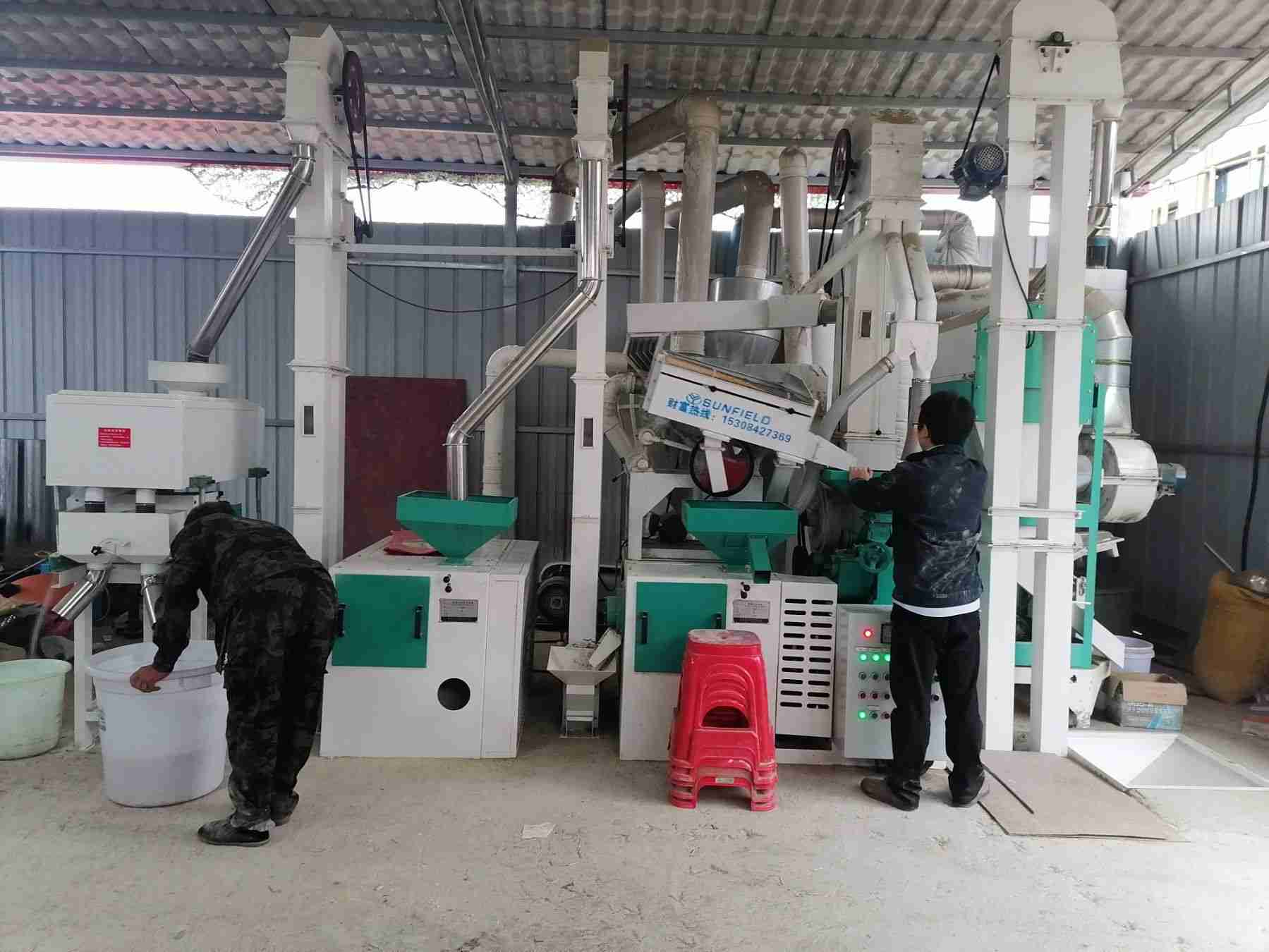
Exploring the Impact of Paddy Processing Units on Rural Economies
Paddy processing units serve as a catalyst for economic growth in rural areas, providing much-needed employment and enhancing local production capabilities. These units play a pivotal role in elevating the value chain of rice, turning raw produce into consumable products, which leads to increased income opportunities for farmers and local workers alike. By focusing on a structured approach to paddy processing, communities can experience an infusion of capital, stimulating the economy and fostering sustainable development.
The benefits extend beyond immediate job creation and income generation. Efficient paddy processing units can also lead to improved agricultural practices and higher market standards. As farmers engage with these facilities, they gain access to technical training and resources, promoting better crop management and post-harvest techniques. Furthermore, these units contribute to market accessibility, helping farmers find better prices for their products. Below is a simple table illustrating the multifaceted economic benefits of paddy processing:
| Economic Benefit | Description |
|---|---|
| Job Creation | Employment opportunities in processing and logistics. |
| Capital Infusion | Increased investments in local businesses and infrastructure. |
| Market Access | Connections to broader markets for farmers’ products. |
| Sustainability | Promotion of eco-friendly practices and resource management. |

Innovative Techniques in Paddy Processing for Enhanced Efficiency
In the modern landscape of agricultural production, paddy processing units are embracing innovative techniques that significantly elevate efficiency and productivity. One of the most remarkable advancements is the integration of automation in milling processes, which not only accelerates operations but also ensures higher consistency in the quality of the rice produced. By implementing state-of-the-art sensors and robotics, these units can minimize human error and enhance the precision of tasks such as sorting, husking, and polishing. Additionally, the utilization of cleaning technologies, such as air separation systems, has drastically reduced the time spent on removing impurities, paving the way for a cleaner end product that meets market demands.
Furthermore, the adoption of data analytics within paddy processing units represents a transformative approach to operational efficiency. By leveraging big data, stakeholders can glean insights into production patterns, optimize resource allocation, and foresee maintenance needs before issues arise. This proactive stance not only preserves machinery lifespan but also curtails downtimes. Environmental considerations also play a crucial role in contemporary processing methods, with many units now adopting sustainable practices such as waste recycling and energy-efficient machinery, ensuring that they contribute positively to the ecosystem while maintaining economic viability.
Sustainability in Paddy Processing: Strategies for Environmental Stewardship
The cultivation and processing of paddy is integral to feeding millions globally, yet it comes with significant environmental responsibilities. Innovative approaches in paddy processing units are pivotal in mitigating environmental impact. Key strategies include:
- Waste Minimization: Employing technologies that significantly reduce waste during milling can yield economic and environmental benefits.
- Water Management: Implementing practices such as recirculating water systems or rainwater harvesting can decrease water consumption and enhance sustainability.
- Energy Efficiency: Adopting energy-efficient machinery and renewable energy sources, like solar panels, lessens carbon footprints while maximizing productivity.
Furthermore, fostering partnerships with local farmers can lead to a sustainable loop where by-products are utilized effectively. For instance, straw from paddy can be transformed into biochar or compost, enriching soil health. Below is a simple table illustrating potential uses of paddy waste:
| Type of Waste | Potential Use |
|---|---|
| Paddy Straw | Biochar, Compost |
| Rice Husk | Energy Production, Insulation Material |
| Rice Bran | Animal Feed, Cooking Oil |
Through these strategic implementations, paddy processing units can transition towards a more sustainable model that not only uplifts local communities economically but also holds a promise for ecological preservation.
Empowering Farmers through Technology Integration in Processing Units
In today’s dynamic agricultural landscape, integrating technology in processing units is transforming traditional methods into efficient, streamlined operations that empower farmers and enhance productivity. By adopting innovative tools and practices, farmers are not only improving the quality of their produce but are also gaining access to valuable market insights. The incorporation of technology fosters transparency, traceability, and sustainability in the processing sector, creating a win-win situation for everyone involved. Implementing data analytics and automated systems allows farmers to manage their resources effectively and make informed decisions, which is crucial in a volatile market environment.
Moreover, the use of smart processing technologies can significantly lessen post-harvest losses, ensuring that more of the crop reaches the consumer. These advancements include:
- IoT Sensors: Monitor moisture levels, temperature, and other critical factors to ensure optimal storage conditions.
- Mobile Applications: Provide farmers with real-time market prices, helping them to negotiate better sales deals.
- Automated Machinery: Enhance efficiency in sorting, packaging, and processing, thereby reducing manual labor.
To illustrate the impact of technological adoption, consider the following table detailing key benefits observed in selected paddy processing units:
| Technology Implemented | Benefit | Outcome |
|---|---|---|
| IoT Monitoring | Reduced spoilage | 25% increase in quality retention |
| Mobile Market Access | Better pricing strategy | 15% higher sales revenue |
| Automated Processing Line | Enhanced efficiency | 30% decrease in processing time |
The transformation fueled by technology not only empowers farmers but also ensures that the entire supply chain becomes more robust, resilient, and reflective of market demands. Embracing such advancements is key to unlocking the vast potential of paddy farming, paving the way for better livelihoods and food security.
In Summary
the journey through the world of paddy processing units reveals a landscape rich with opportunity and innovation. As we’ve explored, these units serve not only as tools of efficiency but also as catalysts for economic growth and community empowerment. By unlocking the potential of paddy, we pave the way for enhanced rural livelihoods, improved food security, and sustainable agricultural practices. As we move forward, it becomes imperative for stakeholders—farmers, entrepreneurs, and policymakers alike—to invest in and champion these vital units. In doing so, we not only elevate the status of paddy processing but also nurture a more resilient and prosperous future for all. The path is clear; it is time to embrace this momentum and cultivate the seeds of change within our communities.



