
In the heart of every bustling village and rural landscape lies an age-old relationship between land and livelihood—one that weaves together the threads of culture, economy, and sustenance. At the core of this intricate tapestry is paddy, a staple grain that nourishes millions. Yet, the journey from paddy to flour is more than just a simple transition; it is a transformative process that encapsulates the ingenuity, hard work, and innovation of our agricultural communities. Paddy processing units play a pivotal role in this transformation, bridging the gap between the labor of farmers and the nourishment of diners. This article explores the multifaceted contributions of these processing units, examining how they enhance value, ensure quality, and empower rural economies, all while preserving a rich cultural heritage. Join us as we delve into the essential role of paddy processing in the journey toward flour, illuminating the pathways that sustain both fields and families alike.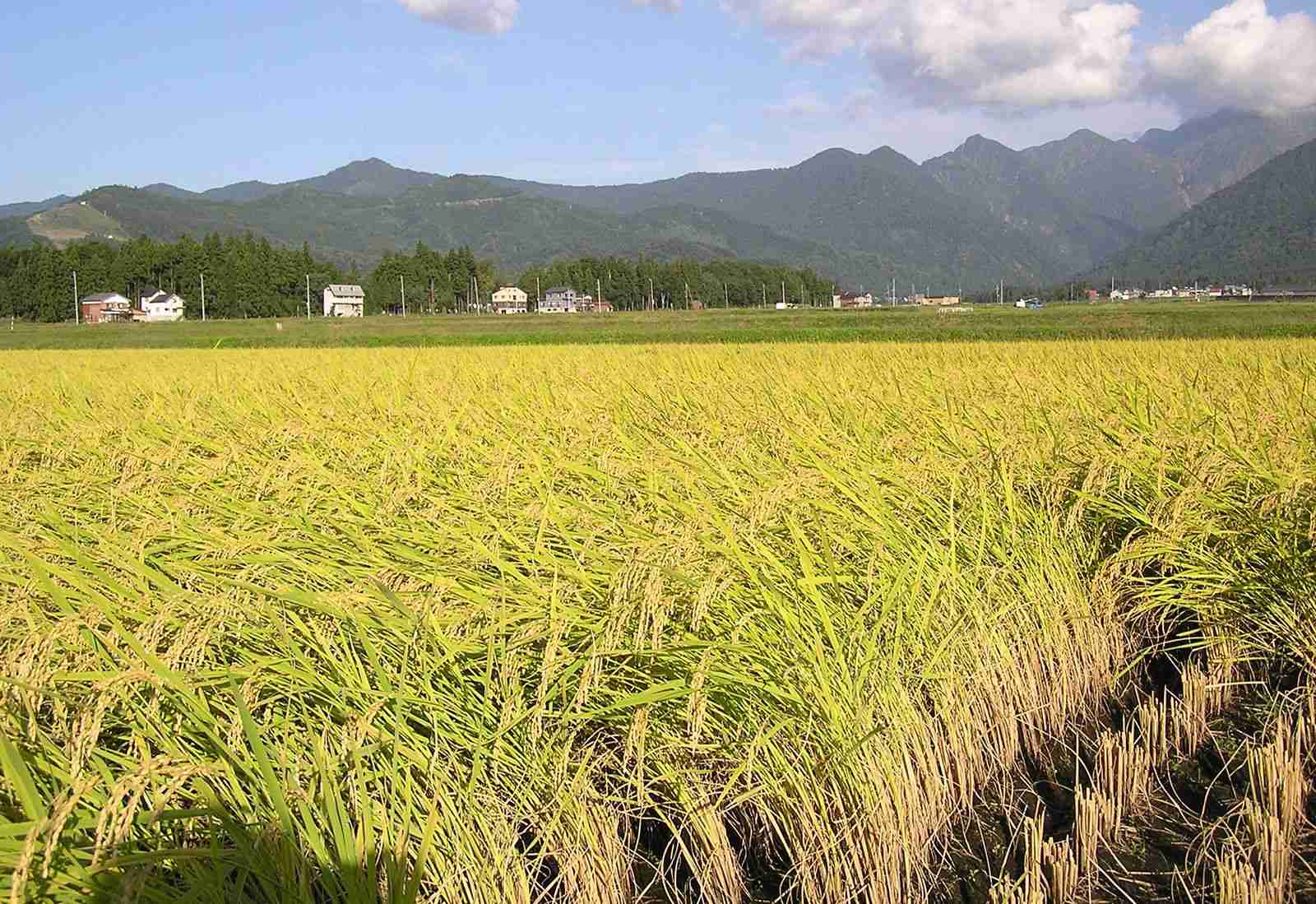
Understanding the Journey from Paddy to Flour: An Overview of Processing Techniques
Transforming paddy into flour is a meticulous journey that begins at the farm and culminates in the kitchen. The first step involves harvesting the rice, where care is taken to gather only the ripened grains. Once harvested, the paddy undergoes a thorough cleaning to remove impurities, including dirt, stones, and other foreign materials. This is followed by the de-husking process, which separates the bran from the rice, revealing the white grain underneath. At this stage, various techniques come into play, such as traditional milling, modern hulling machines, and ultrasonic methods, each contributing to the quality and texture of the final product.
The path to conversion doesn’t end with de-husking. After obtaining the white rice, the grains are polished and then milled into flour through grinding. Different milling processes, including stone milling and roller milling, can significantly impact the nutritional profile and flavor of the flour. Furthermore, the flour undergoes packaging and quality checks to ensure it meets consumer standards. Below is a quick overview of some prominent milling techniques:
| Milling Technique | Characteristics | Benefits |
|---|---|---|
| Traditional Stone Milling | Uses natural stones; retains nutrients | Produces flour with a rich flavor |
| Modern Roller Milling | Employs steel rollers; efficient | Uniform flour quality; economically scalable |
| Ultrasonic Milling | Uses ultrasonic waves; minimizes heat | Maintains higher nutrient levels |

Enhancing Efficiency in Paddy Processing Units: Best Practices and Innovations
To maximize productivity in paddy processing, adopting a holistic approach is essential. Investment in modern technologies can significantly elevate operational standards. Machinery upgrades, such as automated paddy huskers and advanced milling equipment, reduce manual labor and minimize waste. Moreover, implementing a robust inventory management system ensures that raw materials and finished products are tracked effectively, thus optimizing storage and handling processes. Technology-enabled analytics can aid in forecasting demand, allowing units to adjust their processing capacity accordingly.
In addition to machinery, fostering a culture of sustainability is becoming imperative. Techniques such as waste recycling and energy-efficient operations not only enhance profitability but also appeal to environmentally conscious consumers. Consider establishing partnerships with local agricultural schools and research institutions to stay informed about emerging best practices in the industry. Conducting regular training sessions for staff can improve skills and ensure adherence to safety protocols. By blending traditional methods with innovative solutions, processing units can elevate quality and operational efficiency.
Sustainability in Flour Production: Eco-Friendly Approaches in Paddy Milling
In the quest for greener practices, paddy milling has embraced numerous eco-friendly approaches that not only enhance production efficiency but also diminish ecological footprints. Innovative water management systems play a pivotal role, utilizing rainwater harvesting and recycling processes to minimize water consumption. Additionally, the adaptation of solar energy in milling operations not only reduces dependence on non-renewable resources but also promises long-term cost savings. Key components of sustainable paddy processing include:
- Waste Minimization: Byproducts such as rice husk are repurposed as biofuel or utilized in organic fertilizers, fostering a circular economy.
- Energy Efficiency: Implementation of energy-efficient machinery can cut energy consumption by up to 30% while maintaining high-quality flour production.
- Responsible Sourcing: Engaging with local farmers promoting sustainable farming practices bolsters community economies and reduces transportation emissions.
To visualize the impactful results of sustainable practices in paddy milling, consider the following table highlighting key environmental benefits:
| Eco-Friendly Approach | Benefit |
|---|---|
| Water Recycling | Reduces water usage by 50% |
| Solar Energy | Decreases carbon footprint by 40% |
| Waste Utilization | Repurposes 90% of byproducts |
Economic Impact of Paddy Processing: Empowering Local Communities Through Flour Production
The journey of paddy processing extends beyond the mere conversion of rice to flour; it is a vital catalyst for economic rejuvenation in rural areas. By establishing local processing units, communities gain access to improved infrastructure and job opportunities. With each bag of flour produced, families can experience enhanced income stability, allowing them to invest in education, healthcare, and other essential services. As the demand for gluten-free and organic products rises, local mills become essential players in the supply chain, ensuring that the profits stay within the community while also addressing market needs.
Moreover, the ripple effects of these processing units can be seen in various facets of community life. Enhanced local production leads to decreased reliance on imported goods, fostering a sense of self-sufficiency. Additionally, as farmers collaborate with processing units, they can benefit from:
- Training programs: Skill development in milling and quality control.
- Resource sharing: Access to modern equipment and technology.
- Cooperative marketing: Joint efforts in promoting and selling flour products.
Such initiatives not only create new pathways for economic development but also empower farmers to elevate their status in the agricultural landscape. The collective effort of these stakeholders transforms the local economy, yielding benefits that extend beyond mere profits.
| Impact Area | Benefits |
|---|---|
| Employment Creation | Jobs in milling, packaging, and distribution. |
| Increased Income | Higher earnings for farmers and workers. |
| Community Development | Investment in local schools and healthcare facilities. |
Wrapping Up
the journey from paddy in the fields to flour in our kitchens is a remarkable transformation that underscores the vital role of paddy processing units. These facilities not only optimize the use of agricultural resources but also contribute significantly to the agricultural economy, ensuring that farmers can reap the rewards of their hard work. By streamlining the milling process and adhering to quality standards, they pave the way for our staple foods, enhancing nutrition and food security. As we continue to innovate and improve processing techniques, we sustain not only the livelihoods of farmers but also the rich culinary traditions that rely on quality flour. In appreciating this intricate supply chain, we gain a deeper understanding of the interconnectedness of agriculture and food production, reminding us that every grain tells a story—from the field to our table. With this knowledge, we can support the advancements within this sector and celebrate the essential role it plays in our daily lives.



