
Nestled within the heart of a bustling agricultural landscape, where earthen hues meet the glimmer of machinery, lies the transformative world of grain processing. Among the myriad of grains cultivated, rice stands out as a staple that nourishes billions across the globe. Yet, before it makes its way to our bowls, rice undergoes a fascinating metamorphosis, particularly in the form of parboiling—a process that enhances its nutritional value, texture, and flavor. In this article, we invite you to journey inside a parboiled rice processing plant, where the aroma of freshly harvested grains mingles with the hum of technology. Here, tradition meets innovation as raw rice is expertly transformed into a product that sustains lives and cultures alike. Discover the intricate steps involved in this remarkable process, and gain insight into the vital role parboiled rice plays in global food systems.
Understanding the Parboiling Process and Its Benefits for Rice Quality
The parboiling process, a vital step in transforming raw rice into a high-quality product, begins with the soaking of paddy rice in water. This pre-cooking method enables the grains to absorb moisture, leading to internal gelatinization of the starches. The soaked rice is then steamed under pressure, which not only enhances its nutritional profile by driving vitamins and minerals from the husk into the grain but also modifies its texture. As a result, parboiled rice becomes firmer and less sticky when cooked, making it a preferred choice for many culinary applications.
Alongside improving texture and nutritional value, the parboiling process offers several additional benefits:
- Increased Shelf Life: The process slows down the breakdown of starches, thus extending the rice’s freshness.
- Reduced Cooking Time: Parboiled rice often cooks faster than raw rice, making meal preparation more efficient.
- Enhanced Flavor: The steaming infuses a subtle nuttiness into the rice, elevating its taste profile.
- Improved Resistance to Breakage: The parboiling process helps grains withstand handling and transportation better.
To illustrate the differences in qualities between parboiled and non-parboiled rice, consider the following table:
| Rice Type | Nutritional Benefits | Cooking Characteristics |
|---|---|---|
| Parboiled Rice | Higher vitamin content, better mineral retention | Fluffy texture, shorter cooking time |
| Regular (Raw) Rice | Lower nutritional value, more starch loss | Stickier texture, longer cooking time |

Essential Equipment and Their Role in Maximizing Efficiency
In a parboiled rice processing plant, the efficiency of operations hinges on a well-curated selection of essential equipment. Each machine plays a crucial role in transforming raw grains into high-quality parboiled rice, optimizing both speed and quality throughout the process. Key equipment includes steamers, which facilitate the soaking and steaming of rice, allowing the grains to absorb moisture effectively. This step not only enhances nutritional value but also prepares the rice for subsequent drying and milling. Further along the line, dryers ensure that the steamed rice reaches the ideal moisture level, minimizing spoilage and preserving flavor while maintaining the structural integrity of the grains.
The processing phase is further supported by specific devices such as shellers and millers. Shellers gently remove the outer husk of the rice without damaging the inner grain, while millers polish and refine the brown rice into white rice, producing an appealing final product. Additionally, equipment like sifters and packagers enhance the final stages of processing by segregating rice based on size and quality and efficiently packaging the rice for distribution. To visualize the processing flow and equipment effectiveness, consider the following table:
| Equipment | Function | Efficiency Impact |
|---|---|---|
| Steamers | Soak and steam rice | Enhances nutrient retention |
| Dryers | Remove excess moisture | Prevents spoilage |
| Shellers | Remove outer husk | Preserves grain integrity |
| Millers | Polish rice | Improves aesthetic quality |
| Sifters | Sort by size and quality | Enhances marketability |
| Packagers | Package finished products | Streamlines distribution |
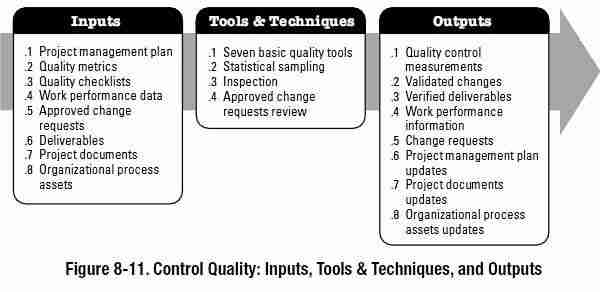
Quality Control Measures: Ensuring Consistency from Start to Finish
Within a parboiled rice processing plant, stringent quality control measures are implemented at every stage to uphold the product’s integrity and consistency. From the moment the paddy is received, it undergoes a meticulous inspection process, which includes checking for moisture content, impurities, and overall grain quality. Key steps in this inspection process include:
- Sampling: Random samples are taken from each batch to ensure a representative quality assessment.
- Moisture Testing: Utilizing advanced moisture meters, the ideal moisture content is maintained to prevent spoilage or uneven cooking.
- Visual Inspection: Trained personnel conduct thorough visual checks for discoloration, broken grains, or foreign material.
Once the initial inspection is complete, various processing stages—soaking, steaming, drying, and milling— are closely monitored. Each stage incorporates quality checkpoints to detect deviations early on. The process includes:
- Soaking Duration: Timed precisely to ensure optimal absorption of water without compromising grain integrity.
- Temperature Control: Maintaining exact steam temperatures to enhance the nutritional value and texture of the rice.
- Packing Standards: Employing automated systems for filling, weighing, and sealing bags to ensure uniformity and prevent contamination.
| Process Stage | Quality Control Measure |
|---|---|
| Receiving | Visual and Moisture Inspection |
| Soaking | Timed Soaking |
| Steaming | Temperature Monitoring |
| Milling | Weight and Quality Check |
| Packing | Automated Sealing |
Sustainable Practices in Parboiled Rice Production for a Greener Future
In the journey towards sustainable agriculture, parboiled rice production stands as a beacon of innovation. By implementing eco-friendly methods, processing plants can significantly reduce their environmental footprint. The focus lies on optimizing water usage, enhancing energy efficiency, and minimizing waste. Some of the best sustainable practices include:
- Water Management: Implementing rainwater harvesting and recycling systems to reduce water consumption.
- Solar Energy Utilization: Harnessing solar power for energy-intensive processes like steaming and drying.
- Organic Fertilizers: Utilizing organic fertilizers to enrich soil quality and promote healthier crops.
- Waste Reduction: Transforming by-products into biofertilizers or biofuel, thereby closing the waste loop.
Moreover, many processing facilities are adopting precision agriculture techniques to monitor crop health and yield, thus ensuring a higher quality of rice while simultaneously safeguarding the ecosystem. This forward-thinking approach fosters a symbiotic relationship between agricultural practices and environmental conservation. Key metrics showcasing the benefits of these practices include:
| Metric | Before Sustainable Practices | After Sustainable Practices |
|---|---|---|
| Water Usage (liters/km2) | 20,000 | 12,000 |
| Energy Consumption (kWh/ton) | 700 | 450 |
| Waste Generation (kg) | 300 | 100 |
These advancements not only align with global sustainability goals but also elevate the parboiled rice industry into a model for responsible production methods, contributing to a greener future for agriculture.
Future Outlook
As we conclude our journey through the intricate world of parboiled rice processing, it becomes clear that transforming grains is not merely a mechanical operation; it is a delicate dance of science and tradition. Each step in the processing plant, from steaming to drying, encapsulates a rich history and a commitment to quality that transcends mere economic necessity. The grains, once humble seeds, emerge as resilient ingredients, ready to nourish plates and palates across cultures.
As we reflect on the innovations and processes that breathe life into parboiled rice, we see how this staple food adapts to the modern landscape, bridging the gap between old and new, local and global. The journey from field to table is a testament to human ingenuity and sustainable practices, highlighting the importance of our agricultural heritage while embracing the future of food production.
In the heart of every bag of parboiled rice lies a story—a story of transformation, resilience, and the delicate balance of preserving tradition while fostering innovation. As we savor each bite, let us appreciate the meticulous craftsmanship that has turned simple grains into a cornerstone of culinary delight, nourishing generations to come.



