
In the golden embrace of the harvest season, fields of paddy sway gracefully under the sun, promising nourishment and sustenance to millions around the globe. Yet, the journey from field to table is a complex tapestry woven with threads of tradition and innovation. “Transforming Harvest: The Art and Science of Paddy Processing” delves into this intricate process, where age-old techniques meet cutting-edge technology to elevate humble grains into culinary treasures. From the rhythmic bang of wooden pestles to the whir of modern machinery, the processing of paddy not only preserves its essential nutrients but also enhances its flavor and versatility. In this article, we explore the multifaceted world of paddy processing, highlighting the expertise of farmers, the role of science in improving efficiency, and the cultural significance of rice in communities worldwide. Join us on this insightful journey that celebrates both the art and the science behind one of humanity’s most vital resources.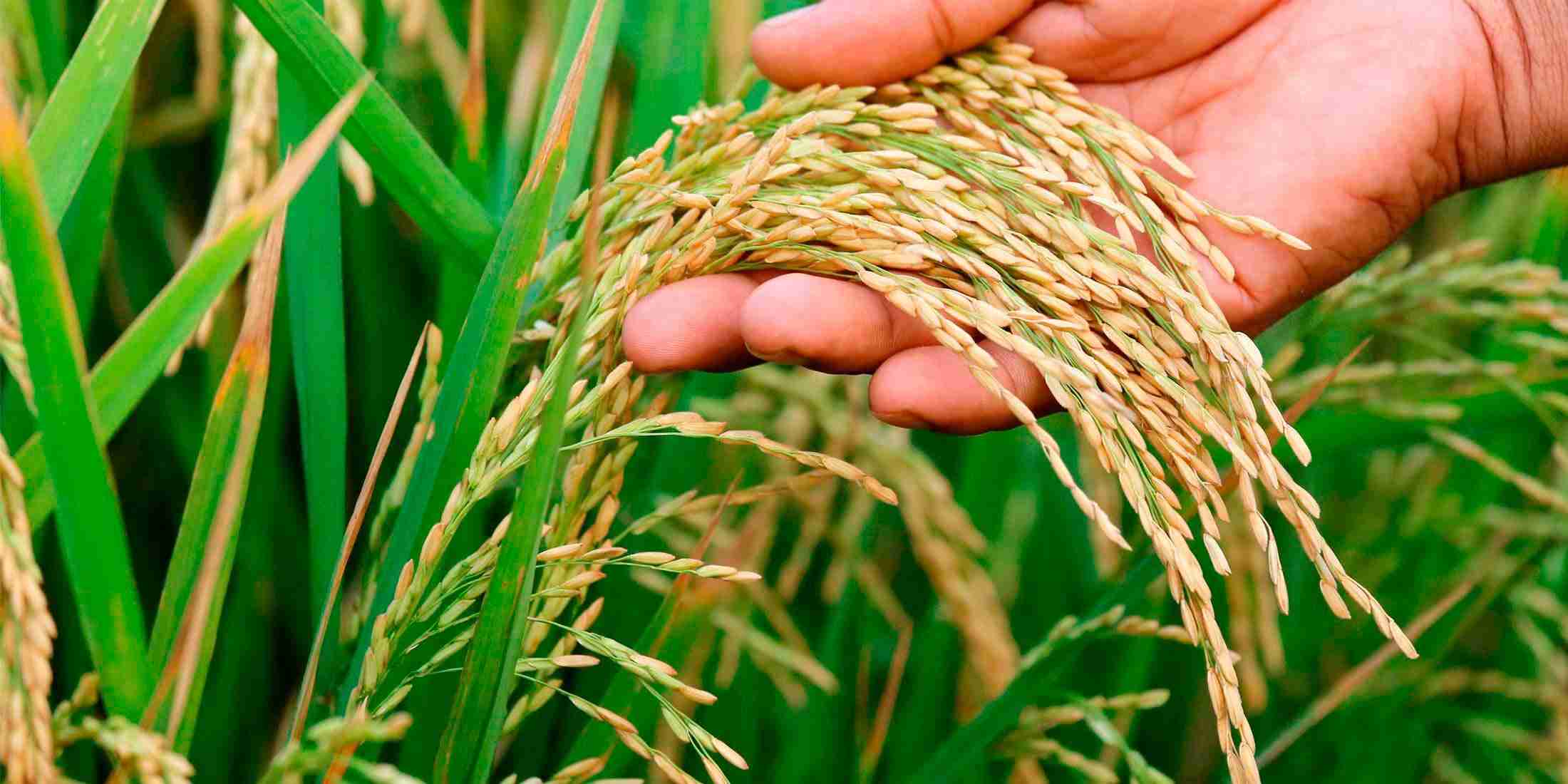
Exploring the Journey from Paddy to Rice: An Overview of Modern Processing Techniques
From the moment paddy is harvested, it embarks on a transformative journey that requires meticulous care and advanced techniques. The first step in this process is threshing, where the grain is separated from the husk, effectively preparing it for the next stages. Following threshing, cleaning plays a crucial role in ensuring that the grains are free from impurities. Techniques such as air blowing and screening are employed to achieve the highest quality, enhancing the rice’s marketability and flavor profile. Once cleaned, the paddy undergoes drying, which is essential to reduce the moisture content and prevent spoilage. Modern drying methods, such as using mechanical dryers, allow for precise control over temperature and humidity, ensuring that the grains maintain their integrity and nutritional value.
After drying, the paddy is ready for milling, where the outer husk is removed, and the rice is polished to achieve a desirable appearance. This phase is where the art and science of processing converge, utilizing advanced milling machines that optimize yield while minimizing breakage. The final product is categorized based on quality and size, creating value in the market. Below is a simple overview of the rice milling stages:
| Milling Stage | Description |
|---|---|
| 1. Threshing | Separation of grains from the husk. |
| 2. Cleaning | Removal of impurities from the rice. |
| 3. Drying | Reducing moisture content to prevent spoilage. |
| 4. Milling | Removing the husk and polishing rice. |

The Role of Technology in Enhancing Paddy Quality and Efficiency
In the contemporary agricultural landscape, technology has emerged as a pivotal player in revolutionizing paddy cultivation and processing. The introduction of advanced machinery and automated systems has significantly streamlined various stages of paddy production. For instance, the utilization of precision farming tools enables farmers to monitor soil health and moisture levels in real time, ensuring optimal planting conditions. The integration of drones for aerial crop assessment allows for early detection of pests and diseases, leading to timely interventions that enhance the overall quality of the harvest. Furthermore, the advent of smart irrigation systems conserves water while maximizing yield—resulting in healthier grains that are both nutritious and sustainable.
Alongside cultivation, technology also plays a crucial role in the post-harvest phase to maintain and elevate paddy quality. Modern milling techniques, such as air-jet milling, preserve the nutritional integrity of the grains while minimizing broken rice. Additionally, innovative storage solutions equipped with climate-control systems prevent spoilage caused by humidity and temperature fluctuations. The use of blockchain in the supply chain not only enhances traceability but also fosters transparency, assuring consumers of the quality and origin of the rice they purchase. As the industry continues to embrace technological advancements, stakeholders are better equipped to ensure that paddy quality meets the growing demands of a global market.

Sustainable Practices in Paddy Processing: Balancing Profit with Environmental Responsibility
In the intricate dance between agriculture and industry, sustainable practices in paddy processing are crucial to forging a greener future. By adopting methods that prioritize environmental stewardship, producers are not only enhancing their operational efficiency but also fostering healthier ecosystems. Options such as multifunctional milling systems, which reduce wastage, and water-efficient soaking techniques, help in conserving vital resources. Furthermore, integrating organic insect control and natural fertilizers reduces dependence on harmful chemicals, ensuring a safer environment for both workers and consumers alike.
The benefits of embracing sustainable practices extend beyond ecological advantages; they also contribute to economic viability. Producers who engage in responsible sourcing and processing can often capitalize on eco-conscious consumer trends, leading to potential price premiums and access to niche markets. Below is a simple table highlighting the correlation between sustainable methods and profitability:
| Sustainable Practice | Potential Benefits |
|---|---|
| Water Recycling Systems | Reduced water costs and improved efficiency |
| Energy-efficient Drying Equipment | Lower energy bills and decreased carbon footprint |
| Using By-products for Animal Feed | Additional revenue stream and waste reduction |
Through the strategic implementation of these methods, paddy processors can find a harmonious balance, transforming not only their business models but also the agricultural landscape. By investing in technology that prioritizes sustainability, producers will contribute to a cycle of profit that respects both local communities and the environment. In this ever-evolving field, the art and science of paddy processing can lead to a future where profitability and ecological responsibility thrive side by side.
Unlocking Market Potential: Strategies for Value Addition and Branding in Rice Products
To harness the full potential of rice products, businesses must focus on enhancing their value proposition and developing a strong brand identity. This involves a comprehensive understanding of consumer preferences, market trends, and competitive dynamics. By investing in quality control and modern processing technologies, companies can ensure that their rice products meet the highest standards, appealing to health-conscious consumers. Additionally, leveraging branding techniques such as eco-friendly packaging or emphasizing organic production methods can further differentiate products in a crowded marketplace. Effective marketing strategies, including storytelling around the heritage of the rice varieties or the sustainable practices involved in cultivation, can captivate potential buyers and solidify customer loyalty.
Creating a compelling product portfolio is equally important. Businesses can explore innovative approaches to rice products, such as:
- Fortified Rice: Enriching rice with nutrients to combat malnutrition.
- Ready-to-Cook Options: Providing convenience through pre-packaged meal solutions.
- Specialty Rice Varieties: Highlighting unique regional or traditional types that cater to niche markets.
- Value-Added Snacks: Developing rice-based snacks to tap into the growing snack market.
To further illustrate the diverse opportunities available, consider the following table that outlines potential value-added rice products along with their target market segments:
| Product Type | Target Market | Key Benefit |
|---|---|---|
| Organic Brown Rice | Health-Conscious Consumers | Higher nutritional value |
| Rice Flour | Baking Enthusiasts | Gluten-free baking alternative |
| Instant Rice | Busy Professionals | Convenience and time-saving |
| Flavored Rice Packs | Families | Diversifies meal options |
Wrapping Up
As we conclude our exploration of ”Transforming Harvest: The Art and Science of Paddy Processing,” it becomes clear that this intricate journey from field to table is much more than mere agriculture; it is a delicate interplay of tradition and innovation, nature and technology. The meticulous processes involved in paddy processing not only enhance the quality of rice but also preserve the cultural heritage and livelihoods of countless communities around the world.
In a world increasingly driven by mechanization, the artistry embedded in each step of paddy processing reminds us of the importance of sustainability and respect for the environment. By embracing both the art and the science, we can ensure that future generations enjoy not only the nutritional benefits of rice but also the rich narratives that accompany it.
As we reflect on this transformative journey, let us appreciate the dedication of those who toil in the fields and factories alike, crafting a staple that nourishes billions. The next time you enjoy a bowl of rice, remember that it represents a harmonious blend of nature’s bounty and human ingenuity—a testament to our enduring connection with the land and the ages-old practice of transforming harvest.



