
From Field to Flour: The Journey of Corn Processing Explained
Have you ever wondered what happens to a humble ear of corn after it’s harvested from the field? The transformation of this golden grain into the versatile flour that graces our kitchens is a fascinating journey, steeped in both agricultural traditions and modern technology. Corn, one of the world’s most cultivated crops, not only fuels thousands of dishes but also serves as a vital ingredient in countless processed foods. In this article, we will unravel the intricate process of corn processing, exploring each step from the lush fields where it begins its life to the milling processes that turn it into flour. Join us as we delve into the science, the craftsmanship, and the innovations that shape the path of corn from its natural state to an essential staple in kitchens around the globe.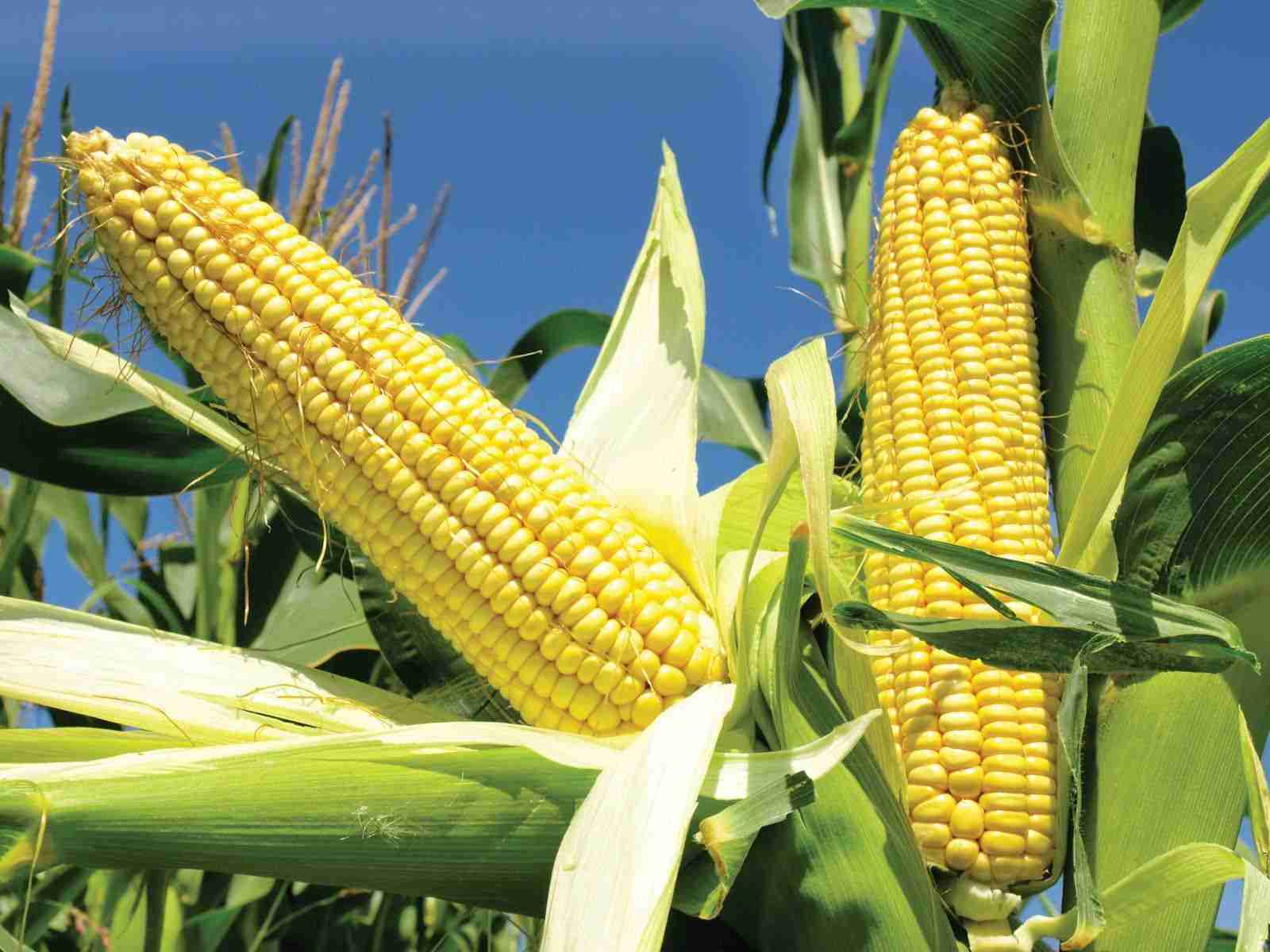
Understanding Corn Cultivation Techniques
Corn cultivation encompasses a variety of techniques that are essential for maximizing yield and ensuring healthy growth. Farmers must begin with the selection of the appropriate seed variety, considering factors such as climate, soil type, and resistance to pests and diseases. Once the ideal seed is chosen, practices such as crop rotation and cover cropping are utilized to enhance soil fertility and prevent erosion. Moreover, the timing of planting is crucial, as it aligns closely with local weather patterns. Effective irrigation methods, whether through drip systems or sprinklers, further support the crop’s growth by maintaining optimal soil moisture levels.
Utilizing modern advancements in technology has become a game changer in corn production. Farmers are increasingly leveraging precision agriculture tools, which utilize GPS and satellite imagery to monitor crop health and manage resources efficiently. This includes data collection for soil moisture and nutrient levels, enabling more informed decisions regarding irrigation and fertilization. The use of drones for aerial monitoring and health assessment is also on the rise. In addition to technology, effective pest management—through both chemical and organic methods—plays a significant role in sustaining healthy corn crops. Collectively, these techniques not only bolster productivity but also contribute to the sustainability of corn farming practices.

Exploring the Harvesting and Transportation Process
The journey of corn from field to flour begins with a meticulous harvesting process, where the golden stalks are carefully stripped of their kernels. This crucial step is typically undertaken using a harvester, a machine designed to efficiently cut, thresh, and collect the ears of corn in one smooth operation. Once harvested, the corn kernels need to be dried to a specific moisture level to prevent spoilage. The dried kernels are then stored in silos for a short period, allowing farmers to manage their supply better and prepare for transportation.
Transporting the harvested corn from the fields to processing facilities is another vital phase in the overall journey. Corn is usually transferred from silos to trucks or railcars, depending on the distance and infrastructure available. This step must happen swiftly to maintain quality and reduce the risk of damage during transit. Once at the processing facility, the corn undergoes several transformations before it becomes the flour we use in our kitchens. The efficiency of these transport systems ensures that the corn remains in top condition, enabling it to reach consumers as high-quality flour.
| Process | Description |
|---|---|
| Harvesting | Utilizing machinery to collect ears and separate kernels. |
| Drying | Reducing moisture content to preserve quality. |
| Storage | Keeping kernels in silos for short-term management. |
| Transportation | Moving corn to processing plants via trucks or trains. |
The Science Behind Milling and Flour Production
The journey from corn to flour involves a fascinating interplay of biological and mechanical processes. At its core, milling is a method that transforms the raw grain into a fine powder through a series of steps, each engineered to preserve the grain’s integrity while maximizing flour quality. The milling process generally includes the following stages:
- Cleaning: The grains are thoroughly cleaned to remove impurities, stones, and debris.
- Conditioning: Moisture content is adjusted, allowing the bran (outer layer) to separate easily during grinding.
- Grinding: Grains are crushed and ground through a combination of milling machinery, releasing the starchy endosperm from the bran and germ.
- Sifting: A sieve separates the flour from larger particles, ensuring a consistent particle size.
- Packaging: The final product is packaged for distribution, ready to be transformed into a multitude of culinary creations.
The type of flour produced can be influenced by several factors, including the type of corn, the milling technique, and the specific applications intended for the flour. Here is a brief overview of the main flour types derived from corn:
| Flour Type | Characteristics | Common Uses |
|---|---|---|
| Yellow Corn Flour | Fine and smooth with a rich color and flavor | Baking, tortillas, and cornbread |
| White Corn Flour | Neutral flavor, slightly softer texture | Breads, pancakes, and cereals |
| Cornmeal | Coarse texture, hulled grain | Polenta, cornbread, and breading |
Understanding the science behind milling not only sheds light on these processes but also underscores the importance of technological advancements in producing high-quality flour that caters to diverse culinary needs. Each milling technique contributes uniquely to the flavor, texture, and usability of the resulting flour, creating a wide spectrum of options for home cooks and professional chefs alike.
Sustainable Practices for Corn Processing and Flour Utilization
Embracing sustainable practices in corn processing not only contributes to healthier ecosystems but also enhances the overall quality of flour produced. Instead of traditional methods that often rely heavily on chemical inputs and energy-intensive processes, innovative approaches harness renewable energy sources and utilize advanced machinery designed for efficiency. For example, many processors are now implementing solar panels or biogas systems to meet energy needs, significantly reducing their carbon footprint. Additionally, employing biodegradable packaging solutions helps minimize waste and supports a circular economy.
Utilization of flour derived from corn can also be optimized through sustainability-focused techniques. Flour mills are integrating waste-use strategies that convert by-products into valuable food ingredients and animal feed, thereby reducing environmental impact. Furthermore, educational initiatives can promote the benefits of locally sourced corn, reinforcing the idea that consumer choices play a crucial role in sustainability. Key strategies in this effort include:
- Encouraging crop rotation to maintain soil health
- Implementing no-till farming techniques to benefit soil structure
- Promoting organic farming practices to enhance biodiversity
| Practice | Benefit |
|---|---|
| Crop Rotation | Enhances soil nutrition |
| No-Till Farming | Reduces soil erosion |
| Organic Farming | Boosts ecosystem resilience |
To Wrap It Up
As we draw the curtain on the journey of corn from field to flour, we find ourselves reflecting on the intricate processes that transform a simple grain into one of humankind’s most cherished staples. Each stage—harvesting, drying, milling—unfolds a story of agricultural heritage intertwined with modern technology, showcasing the labor and expertise behind this ubiquitous ingredient.
Corn, in its many forms, serves not only as a cornerstone of culinary traditions but also as a testament to human ingenuity and the relentless pursuit of innovation. Understanding this journey invites us to appreciate the complexities and contributions of agriculture, reminding us that every bite we savor carries the essence of the land, the toil of time, and the spirit of those who cultivate it.
As we continue to explore our relationship with food and its origins, let us carry forward this newfound knowledge, embracing the interconnectedness of our meals and the journeys that bring them to our tables. the path from field to flour is not just a narrative of grain processing, but a celebration of sustenance, culture, and the shared human experience.



