
As the sun rises over sprawling fields and the gentle hum of machinery fills the air, a quiet revolution is underway in the world of agriculture. In the heart of this transformation lies rice—one of the most important staple crops—alongside a wave of innovative machinery that is redefining the farming landscape. The marriage of tradition and technology is no longer a distant dream; it is a tangible reality reshaping the way farmers cultivate, harvest, and nurture their rice crops. From advanced planting techniques to intelligent harvesters equipped with cutting-edge sensors, the advancements in rice machinery are not only enhancing productivity but also paving the way for sustainable practices that can withstand the challenges of climate change and a growing global population. In this article, we explore the breakthroughs in rice machinery that are powering modern agriculture, examining how these innovations are transforming the field and ensuring food security for generations to come. Join us as we delve into the synergy between human ingenuity and technological prowess that is cultivating a brighter future for rice farming.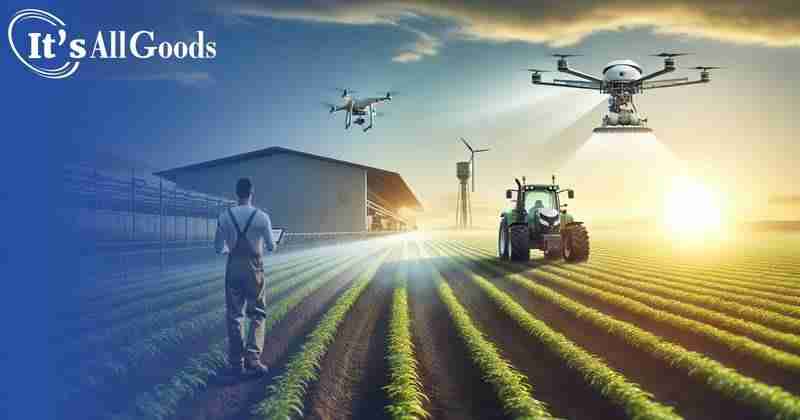
Transforming Cultivation: The Role of Precision Machinery in Rice Farming
The landscape of rice farming has evolved dramatically with the advent of precision machinery, revolutionizing traditional cultivation methods. These advanced machines not only enhance efficiency but also optimize resources, allowing farmers to make data-driven decisions that lead to higher yields and improved sustainability. For instance, precision seeding machines use GPS technology to ensure that seeds are planted at the optimal depth and spacing, resulting in better crop uniformity. Moreover, automated irrigation systems monitor soil moisture levels, delivering water only when necessary and reducing waste. This minimizes the environmental impact while conserving vital resources.
In addition to improving productivity, precision machinery supports integrated pest management (IPM) strategies. By utilizing drones for crop monitoring, farmers can identify pest infestations and nutrient deficiencies earlier and with greater accuracy than ever before. This leads to targeted interventions that protect the crop without excessive chemical use. The integration of harvesters equipped with modern technology allows for gentle and efficient rice collection, ensuring minimal damage to the grain and maximizing output. Such innovations not only empower farmers to cultivate rice more effectively but also promise a brighter future for global food security.
Harvesting Efficiency: Innovations in Rice Combine Technology
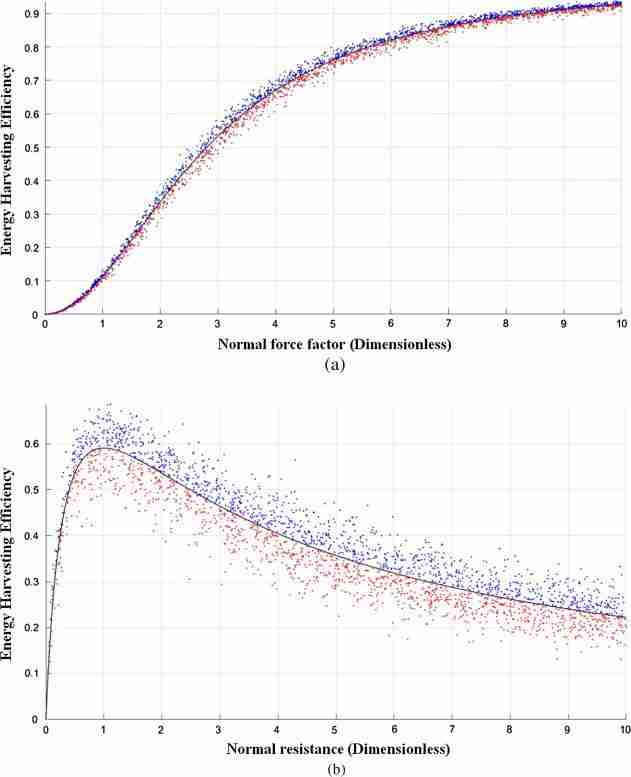
As agriculture evolves, so do the machines that nourish our planet. In the realm of rice farming, the advent of advanced combine harvester technology is revolutionizing the industry. These cutting-edge machines are designed not just for efficiency, but also for sustainability. Modern combines can significantly reduce the time and labor required for harvesting rice, allowing farmers to focus on other essential aspects of their operations. Key features that enhance their efficacy include:
- Precision Engineering: Enhanced sensors and GPS technology allow combines to navigate fields with pinpoint accuracy.
- Multi-Crop Capabilities: Some new models are designed to harvest various types of crops, making them versatile assets on the farm.
- Data Integration: Real-time analytics provide farmers with insights on yield and performance, enabling more informed decisions.
The impact of these innovations is evident not just in productivity, but in their contribution to environmental stewardship. By minimizing waste through improved threshing and separating technologies, modern combines ensure that more grain is collected with less loss. Additionally, advancements in machine design have led to reduced fuel consumption and lower emissions. A comparison of traditional versus modern rice combines illustrates these benefits:
| Feature | Traditional Combines | Modern Combines |
|---|---|---|
| Harvesting Speed | Low | High |
| Fuel Efficiency | Poor | Excellent |
| Grain Loss | High | Minimal |
Sustainable Practices: Eco-Friendly Machinery and Their Benefits
In the evolving landscape of agriculture, the integration of eco-friendly machinery represents a transformative step toward sustainability. These advanced technologies not only enhance productivity but also significantly reduce the environmental impact associated with traditional farming practices. By utilizing renewable energy sources, such as solar and wind power, modern rice machinery minimizes greenhouse gas emissions, fostering a healthier ecosystem. Additionally, innovations like precision farming equipment enable farmers to optimize resource usage, ensuring that water and fertilizers are applied efficiently. This shift not only conserves natural resources but also leads to healthier crop yields and improved soil quality.
Adopting sustainable practices in rice cultivation through innovative machinery comes with a myriad of benefits that go beyond environmental impact. Some notable advantages include:
- Cost Efficiency: Reduced reliance on fossil fuels and minimized waste can lead to substantial cost savings for farmers.
- Enhanced Crop Quality: Precision techniques can lead to healthier crops that are more resilient to pests and diseases.
- Increased Yield: Improved machinery allows for more productive farming practices, ultimately leading to greater output.
Here’s a quick comparison of traditional vs. eco-friendly machinery features:
| Feature | Traditional Machinery | Eco-Friendly Machinery |
|---|---|---|
| Energy Source | Fossil Fuels | Renewable Energy |
| Emissions | High | Low |
| Resource Optimization | Limited | High |
| Impact on Soil | Degrading | Enhancing |
Future Outlook: Emerging Technologies Shaping Rice Production
As the agricultural landscape continues to evolve, several groundbreaking technologies are emerging that promise to revolutionize rice production. Precision agriculture is at the forefront of this transformation, utilizing advanced data analytics and sensors to optimize water usage, fertilizer application, and pest management. By employing drones and satellite imagery, farmers can monitor crop health and make informed decisions, ultimately leading to enhanced yields and reduced environmental impact. Furthermore, the rise of biotechnology is paving the way for the development of rice varieties that are not only resistant to diseases but also adaptable to changing climatic conditions.
Another significant advancement lies in the integration of automation and robotics into rice farming practices. With the advent of autonomous tractors and robotic harvesters, farmers can now work more efficiently, reducing labor costs and time. These innovations also minimize soil compaction and promote sustainable farming practices. Additionally, the incorporation of blockchain technology in supply chains ensures traceability and transparency, allowing consumers to better understand the origins of their food. Together, these technologies not only enhance productivity but also contribute to a more resilient and sustainable future for rice farmers around the globe.
In Retrospect
As we navigate the ever-evolving landscape of agriculture, it becomes increasingly clear that innovation is the heartbeat of progress. Rice machinery has undergone a remarkable transformation, blending tradition with cutting-edge technology to meet the demands of a growing global population. From precision planting to sustainable harvesting techniques, these advancements not only enhance productivity but also promote environmental stewardship. As we look to the future, the synergy between machinery and agriculture will continue to unlock new possibilities, empowering farmers to cultivate with efficiency and resilience. The story of rice machinery is far from over; it is a compelling narrative of adaptation, ingenuity, and a commitment to feeding the world. With each passing season, we can anticipate further innovations that will sustain our fields and nourish our communities for generations to come.



