
Transforming Agriculture: The Complete Rice Milling Machine
In the vast fields where golden grains sway gently under the sun, the journey from paddy to plate is an intricate tapestry woven with tradition, innovation, and technology. As the global population continues to surge, the quest for efficient food production systems becomes more pressing than ever. Among the unsung heroes of this agricultural revolution is the rice milling machine, a remarkable piece of equipment that seamlessly bridges the gap between raw harvests and market-ready grains. This article delves into the transformative power of the complete rice milling machine, exploring its critical role in enhancing productivity, improving quality, and driving sustainability in the rice industry. Join us as we uncover how this technological marvel is reshaping the future of agriculture, ensuring that the staple food remains bountiful and accessible to communities around the world.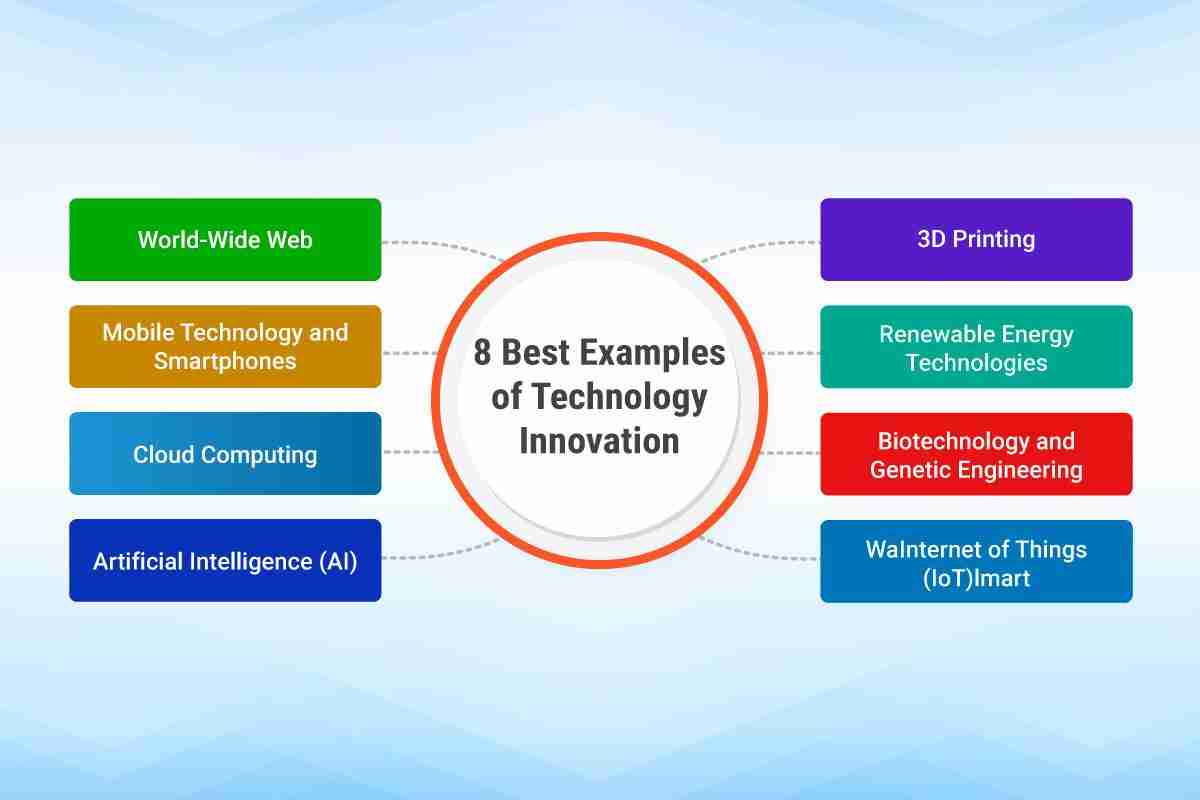
Innovative Technologies Enhancing Rice Milling Efficiency
The evolution of rice milling has rapidly advanced with the integration of cutting-edge technologies that prioritize both efficiency and sustainability. Innovations such as automated sorting systems and smart milling machines utilize sophisticated sensors and artificial intelligence to enhance the quality of the final product while minimizing waste. These systems can adjust parameters in real-time, ensuring optimal processing conditions and reducing the overall energy consumption. Furthermore, internet of things (IoT) connectivity allows for seamless monitoring and management of operations, leading to increased productivity and less downtime.
Additionally, advancements in machine design have led to the development of compact, multifunctional rice milling units that save space and reduce the need for multiple machines. These units often come equipped with features like pre-cleaning, hulling, and polishing, enabling them to handle various stages of processing efficiently. Notably, sustainable practices are now at the forefront of rice milling technology, with eco-friendly options that recapture and reuse by-products, thereby contributing to a circular economy. The integration of these innovative technologies represents a significant leap towards modernizing rice milling operations, fostering a more productive and environmentally conscious agricultural sector.

Key Features to Consider When Selecting a Rice Milling Machine
When embarking on the journey of selecting a rice milling machine, it’s vital to evaluate various aspects that influence both performance and output quality. Capacity should be one of the foremost considerations; it determines how much rice can be processed within a given timeframe. A machine with a higher capacity will be more efficient for large-scale operations. Additionally, durability plays a crucial role, as you want to invest in a machine that can withstand rigorous use without frequent breakdowns. Components made from high-quality materials are likely to provide longevity and consistent performance.
Another essential feature to review is the milling technology employed by the machine. Modern rice milling equipment often incorporates multi-stage processes ensuring higher yield and superior-quality rice. The energy consumption of the machine is also important, as machines with high efficiency can significantly reduce operational costs over time. Furthermore, look for machines with ease of maintenance—this includes easy access to parts for repairs and service, which ensures minimal downtime. Below is a table summarizing these key features:
| Feature | Description |
|---|---|
| Capacity | Amount of rice processed per hour |
| Durability | Quality materials for long-lasting use |
| Milling Technology | Advanced processes for better yield |
| Energy Consumption | Efficiency affecting operational costs |
| Ease of Maintenance | Accessibility for repairs and servicing |

Sustainable Practices in Rice Milling for Environmental Impact
In recent years, the rice milling industry has increasingly recognized the importance of incorporating eco-friendly practices to minimize environmental impact. By adopting advanced milling technologies, rice processors can significantly reduce energy consumption and waste generation. Renewable energy sources, such as solar panels and biomass systems, are being integrated into milling operations, allowing facilities to lessen their dependence on fossil fuels. Furthermore, optimized water management techniques—such as recycling wastewater for irrigation—can lead to more sustainable resource usage in rice farming communities.
Another essential aspect of sustainable practices in rice milling is the emphasis on reducing grain losses during the milling process. By implementing precise milling settings and machinery equipped with modern sensors, millers can enhance the efficiency of husking, polishing, and sorting, ensuring that a larger quantity of rice is preserved for consumption. Additionally, incorporating by-products like rice husks and bran into value-added products not only minimizes waste but also opens new revenue streams. Here’s a quick overview of potential by-products and their applications:
| By-Product | Application |
|---|---|
| Rice Husk | Biofuel, insulation material |
| Rice Bran | Animal feed, health supplements |
| Rice Starch | Food industry, biodegradable plastics |
Maximizing Profitability Through Optimal Rice Processing Techniques
In modern agriculture, the profitability of rice production hinges significantly on efficient processing techniques. Investing in advanced milling machinery can lead to maximized yield and quality, transforming the way producers manage their operations. By optimizing milling processes, farmers can significantly reduce waste and enhance the marketability of their rice. Key elements to focus on include:
- Precision milling: Ensuring that rice is milled to the right degree minimizes breakage and maximizes head rice yield.
- Automation: Automated systems help streamline operations, reducing labor costs and increasing throughput.
- Quality control: Implementing rigorous quality checks throughout the milling process guarantees higher grade products that fetch better prices.
Moreover, adopting a holistic approach to rice processing can further enhance profitability. This includes the integration of modern storage solutions and sustainable practices that minimize environmental impact while maximizing output. Consider the following strategies for holistic improvement:
| Strategy | Benefit |
|---|---|
| Investing in climate-resilient varieties | Reduces losses from weather-related events |
| Utilizing energy-efficient machines | Lowers operational costs |
| Implementing waste recycling methods | Enhances sustainability and opens new revenue streams |
The Conclusion
the journey of transforming agriculture through the complete rice milling machine is a testament to the power of innovation in addressing the challenges faced by the farming community. As we stand at the crossroads of tradition and technology, these machines not only enhance productivity and efficiency but also empower farmers with the tools they need to thrive in a competitive market.
By streamlining the rice milling process, we are not just improving yields; we are fostering economic growth and ensuring food security for countless communities around the globe. The evolution of rice milling technology marks a pivotal chapter in the agricultural narrative—one where sustainability, quality, and accessibility take center stage.
As we look to the future, it is imperative that we continue to embrace advancements that harmonize with our agricultural heritage. The complete rice milling machine is more than just a piece of equipment; it represents a new horizon in farming, where tradition meets progress. Together, let us cultivate a sustainable future, one grain at a time.



