
From Cob to Consumer: The Journey of Corn Processing
In a world where the bounty of our agricultural landscapes often goes unnoticed, few crops hold as significant a place in our everyday lives as corn. From its vibrant golden ears swaying under the sun to the rows upon rows of green stalks standing tall, corn is more than just a staple of the diet; it is a multifaceted marvel that weaves its way through various industries, cultures, and innovations. As we take a closer look at the journey of corn, we will explore how this humble grain transforms from its natural state — nestled on the cob — into an array of products that populate our pantry shelves and fuel our vehicles. Join us as we uncover the intricate processes, historical milestones, and technological advancements that connect farmers with consumers, revealing the remarkable story of corn processing in all its forms.
Understanding the Cultivation Process and Its Impact on Quality
The journey of corn from cob to consumer begins long before it reaches our plates. The cultivation process plays a crucial role in determining the quality of the final product. Farmers need to consider a myriad of factors that influence the health and yield of the corn. Key elements include:
- Soil Quality: Nutrient-rich soil is essential for robust plant growth.
- Water Management: Adequate irrigation prevents drought stress and ensures optimal growth.
- Pest Control: Effective strategies are necessary to minimize damage from insects and diseases.
- Crop Rotation: This practice not only sustains soil health but also mitigates pest infestations.
The culmination of these practices directly affects the quality of the corn harvested. High-quality corn will boast vibrant color, exceptional taste, and better chemical composition, making it suitable for various applications—from snacks to processed foods. As processors receive the corn, they evaluate it based on several parameters to ensure optimal end products. Here’s a table highlighting the quality indicators that processors often assess:
| Quality Indicator | Importance |
|---|---|
| Kernel Moisture Content | Essential for shelf-life and preventing spoilage. |
| Kernel Integrity | Affects processing efficiency and product yield. |
| Color | Indicates ripeness and contributes to consumer appeal. |
| Size | Uniformity impacts processing and final product consistency. |
Exploring the Steps of Corn Processing: From Milling to Packaging
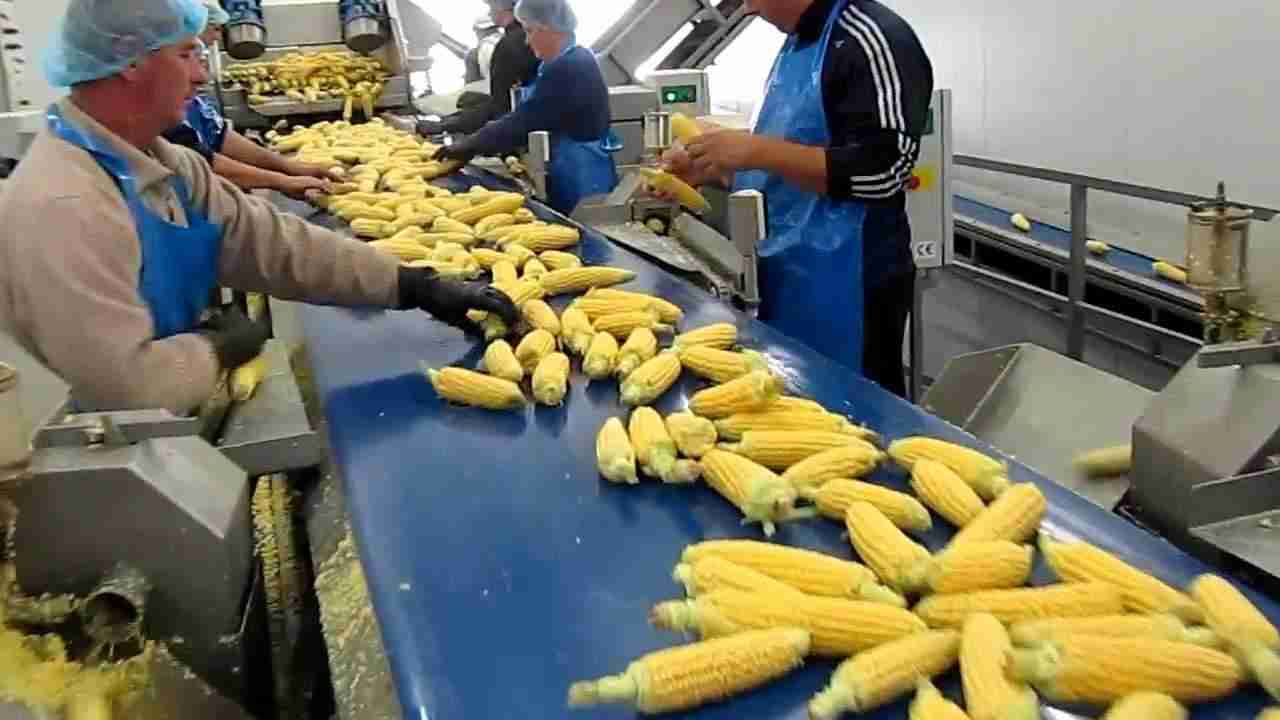
Corn processing is an intricate journey that transforms humble cobs into versatile products that reach consumers across the globe. The first pivotal step is milling, where the whole corn kernels are ground into various forms to create flour, grits, or meal. This can involve different milling techniques such as wet milling or dry milling, each producing distinct outcomes tailored for specific culinary uses. Following milling, the processed corn can undergo refinement and sifting, separating the finer flour from coarser grits, which ensures consistent quality and texture of the final products.
After milling, the journey continues with ingredient formulation. Here, the milled corn products are combined with other components like sugar, preservatives, and flavor enhancers to create a variety of items, from breakfast cereals to snacks. These mixtures are then subjected to cooking and extrusion processes, which transform them into ready-to-eat or easy-to-cook options. the processed corn is introduced to the packaging phase, often utilizing eco-friendly materials to meet consumer expectations for sustainability. The table below summarizes some common corn products and their uses:
| Product | Common Uses |
|---|---|
| Corn Flour | Baking, thickening sauces |
| Corn Grits | Breakfast dishes, polenta |
| Corn Syrup | Sweetener in beverages and desserts |
| Popcorn | Snacks, coatings for savory dishes |
Nutritional Insights: Maximizing Health Benefits Through Proper Processing
The journey of corn from cob to consumer is not just a tale of agricultural practices; it’s a narrative infused with nutritional insights that can enhance health benefits through careful processing. Corn, rich in vitamins, minerals, and antioxidants, can be transformed into a variety of products that cater to different dietary needs. Ensuring that these processes retain the corn’s nutritional integrity is vital for consumers aiming to maximize health benefits. Here are some key processing methods and their advantages:
- Steaming: Preserves vitamins while softening the kernels for easier digestion.
- Fermentation: Boosts probiotic content, enhancing gut health.
- Drying: Concentrates nutrients and extends shelf life, making cornmeal a staple in many homes.
Moreover, the way corn is processed affects its glycemic index and overall digestibility. For instance, while whole corn maintains a low glycemic impact, processed products like corn syrup can spike blood sugar levels. Understanding these differences enables consumers to make more informed choices about their dietary intake. The table below highlights some popular corn products along with their nutritional aspects:
| Product | Nutritional Highlights |
|---|---|
| Popcorn | Whole grain, high in fiber, low in calories |
| Cornmeal | Rich in iron, gluten-free, versatile for baking |
| Corn Syrup | High in sugars, low in essential nutrients |
| Sweet Corn | Excellent source of vitamin C and folate |

Sustainability in Corn Production: Innovations for the Future Consumer
In the quest for sustainability, the corn industry is at the forefront, embracing a range of innovative practices that cater not only to environmental health but also to consumer demands. Through the integration of precision agriculture, farmers are now able to utilize data-driven technologies that optimize inputs while minimizing waste. Techniques such as GPS-guided tillage, sensor-based irrigation, and drone monitoring enhance productivity while ensuring that every inch of land is used efficiently. These advancements contribute to reducing carbon footprints and enhancing soil health, yielding healthier crops that meet evolving consumer preferences for organic and sustainably grown produce.
Furthermore, the development of bioprocessing technologies is revolutionizing the way corn is processed and utilized. These new methods allow for the conversion of corn into various eco-friendly products, such as biodegradable plastics and biofuels, thus keeping waste to a minimum. Key innovations include:
- Bio-refining: Transforming corn into valuable chemicals and materials.
- Circular economy practices: Ensuring by-products are reused in sustainable ways.
- Genetic advancements: Breeding corn varieties that yield higher returns with fewer resources.
These sustainable practices not only improve the overall life cycle of corn production but also cater to an increasingly eco-conscious consumer base looking for transparency and responsibility in their food sources. The industry’s shift towards these innovations is indicative of a broader commitment to promoting agricultural sustainability for future generations.
To Conclude
As we conclude our exploration of the transformative journey from cob to consumer, it’s clear that corn is more than just a staple food; it’s a symbol of innovation and adaptation. From its humble beginnings in the fields to its myriad forms in kitchens around the globe, corn processing reflects a remarkable interplay of nature, culture, and technology. Each kernel carries with it a story—of agricultural practices, of culinary diversity, and of economic significance.
As consumers, we hold the power to appreciate the intricate processes behind our food. By understanding the journey of corn, we not only enhance our culinary experiences but also cultivate a greater respect for the resources and labor involved in food production. So the next time you savor a dish made from corn—be it a sweet cornbread, a refreshing corn salsa, or even a bowl of buttery popcorn—take a moment to appreciate the journey it has made from the cob, through the hands of farmers and processors, to your table. In this interconnected world, every bite of corn connects us to a rich tapestry of history and craft, reminding us that even the simplest foods have fascinating stories waiting to be discovered.



