
In an era where innovation seamlessly intertwines with tradition, the culinary landscape is experiencing a quiet yet significant revolution, one grain at a time. At the heart of this transformation lies the miniature marvel known as the mini rice polisher. Designed to integrate efficiency and sustainability into the age-old process of rice polishing, these compact devices are reshaping the way we view and consume grains. As the demand for healthier, more nutritious food options rises, mini rice polishers are stepping into the spotlight, offering a modern twist to an age-old staple. This article delves into the emergence of these small-scale powerhouses, exploring their technology, benefits, and the broader implications they hold for both consumers and farmers alike. Join us as we unearth the grains of change and examine how mini rice polishers are revolutionizing not just rice, but the entire grain industry.
The Evolution of Grain Processing Technology
The transformation of grain processing technology has undergone remarkable changes over the years, reflecting advancements in design, efficiency, and user-friendliness. From the rudimentary hand milling techniques used in ancient times to the sophisticated machinery of today, the journey has been nothing short of revolutionary. The introduction of mini rice polishers exemplifies this evolution, offering farmers and mill owners an innovative solution for enhancing rice quality while minimizing waste.
Key Features of Mini Rice Polishers:
- Compact Design: Their small footprint allows easy integration into existing setups without requiring extensive modifications.
- Energy Efficiency: Utilization of advanced technology enables lower energy consumption compared to traditional polishing methods.
- Quality Enhancement: These machines are designed to enhance the outer layer of rice grains, improving aesthetics and market value.
- User-Friendly Operation: Intuitive controls and automated features simplify the polishing process, making it accessible even for small-scale operations.
As grain processing continues to evolve, technology-driven solutions like mini rice polishers pave the way for sustainable practices in agriculture. Their introduction reflects a commitment to innovation, showcasing how even the simplest technologies can have profound impacts on productivity and quality management in the grain industry. The ever-growing demand for high-quality rice positions these machines at the forefront of a movement that embraces efficiency while preserving tradition.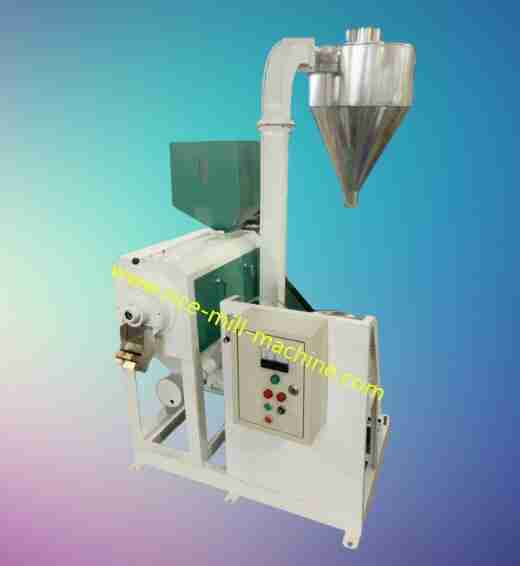
Understanding the Benefits of Mini Rice Polishers
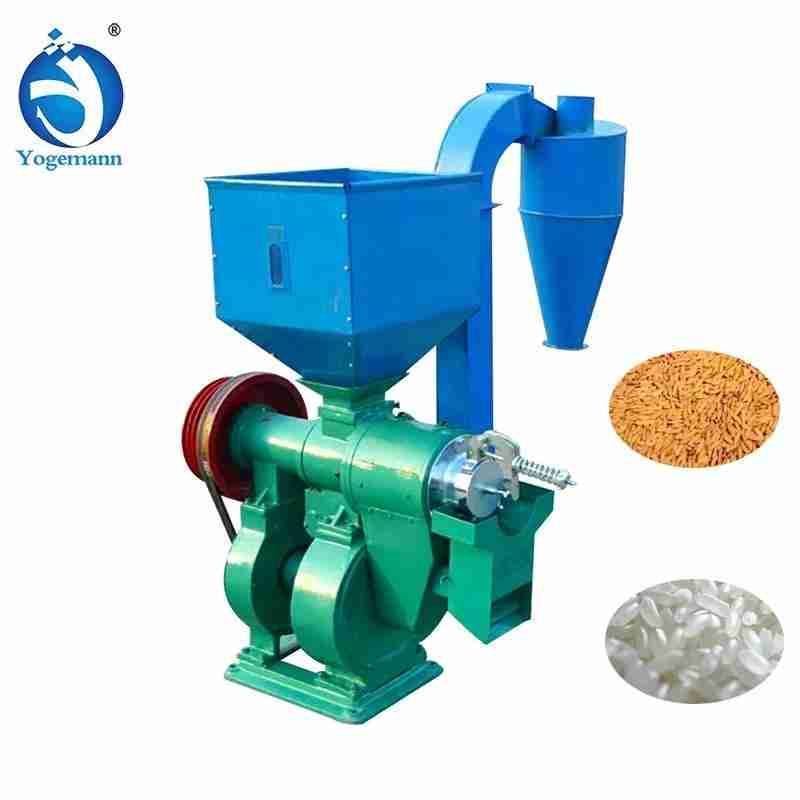
Mini rice polishers have rapidly gained popularity in the world of grain processing, largely due to their ability to enhance rice quality while ensuring minimal loss of nutrition. These compact machines efficiently remove husks and polishing layers from the grains, resulting in aesthetically pleasing and highly nutritious rice. With technological advancements, mini rice polishers can operate at high capacities while using significantly less energy than traditional machines. This eco-friendly approach not only contributes to lower operational costs but also aligns with the growing demand for sustainable agricultural practices.
Furthermore, the benefits of these mini machines extend beyond just rice polishing. They offer remarkable versatility, accommodating various grains such as quinoa, millet, and barley, which makes them ideal for small-scale farmers and entrepreneurs. Other key advantages include:
- Compacted Design: Easy to transport and store, perfect for small farms and home use.
- User-Friendly Operation: Simple controls ensure that anyone can operate them without specialized training.
- Cost-Effective: Affordable investment for farmers, translating to better profit margins.
Choosing the Right Mini Rice Polisher for Your Needs
When selecting a mini rice polisher, it’s essential to consider several factors that can significantly impact your experience and outcomes. Capacity is a prime factor; choose a model that matches your daily requirements, whether you’re a small household or a larger culinary niche. Furthermore, ease of use is crucial: look for features such as user-friendly controls and easy assembly. Consider the machine’s power source as well; electric models can save time, while manual ones may offer more control and a traditional touch. Don’t overlook cleanup requirements, as some units are easier to maintain than others, which is especially important for those who value convenience in their kitchen.
Another vital consideration is the level of polishing that suits your taste. Some models offer adjustable settings, allowing you to choose how polished you want your rice. Look for machines with durability; materials such as stainless steel can withstand the test of time and provide better performance. Aesthetics also play a role, especially for those who care about design in their kitchen. Lastly, ensure that the polisher fits your budget and comes from a reputable brand known for quality service and parts availability.
| Feature | Considerations |
|---|---|
| Capacity | Matches daily rice consumption |
| Power Source | Electric vs. Manual |
| Durability | Stainless Steel vs. Plastic |
| Cleanup | Easy disassembly and maintenance |
| Price Range | Fits within your budget |
Sustainable Practices in Grain Preparation and Polish
In the quest for sustainability, the grain industry is witnessing a transformative shift, particularly through the application of mini rice polishers. These innovative devices not only enhance the quality of rice by ensuring a higher degree of polish but also significantly minimize waste. The focus is on energy efficiency, as these machines are designed to operate with lower power consumption compared to traditional large-scale polishers. This reduction in energy usage lessens the overall carbon footprint, making the grain preparation process greener. Furthermore, mini polishers allow for small-scale operations, which encourages local farmers to engage in eco-friendly practices that contribute to community resilience.
The water usage in grain polishing has also come under scrutiny, and the latest technologies are addressing this concern by utilizing recirculating water systems. These systems allow for water to be filtered and reused, cutting down on the volume needed for the polishing process. Moreover, advancements in grain selection techniques ensure that the grains being polished are of high quality, reducing the need for excessive processing. Below is a concise comparison between traditional and mini rice polishers, highlighting their impacts on sustainability:
| Feature | Traditional Polishers | Mini Rice Polishers |
|---|---|---|
| Energy Consumption | High | Low |
| Water Usage | High | Low (recirculating systems) |
| Waste Generation | Moderate to High | Minimal |
| Operation Scale | Large Scale | Small Scale |
Emphasizing simplicity and accessibility, these mini polishers empower smallholder farmers to elevate their grain preparation while adhering to sustainable practices. With the growing awareness of environmental issues, the adoption of such technologies is pivotal for the future of grain processing—ensuring both quality and sustainability in every grain polished.
In Conclusion
In a world where culinary preferences are evolving and the demand for sustainable solutions grows, mini rice polishers are emerging as the unsung heroes of the grain industry. These innovative machines are not just transforming the way we process rice; they’re redefining our relationship with food, making it healthier and more accessible. As we embrace this revolution, we find ourselves at the intersection of tradition and technology, where age-old practices harmonize with modern efficiency.
Incorporating mini rice polishers into our kitchens and supply chains could lead to a notable shift in how we perceive grains—encouraging us to explore new flavors and textures while supporting local farmers and sustainable practices. As we look ahead, it’s clear that the journey of grains is far from over. With each polish, we inch closer to a future where every bowl of rice tells a story of innovation, care, and nourishment. Let us savor this progress and remain curious about what lies just around the corner in the world of grain refinement.



