
Title: From Fields to Flour: The Journey of Corn Processing
Introduction:
Beneath the vast expanse of golden fields, where the sun casts a warm glow on swaying stalks, lies a remarkable transformation waiting to unfold. In the heart of agriculture, corn—one of the most versatile crops—embarks on a fascinating journey that converts humble kernels into essential flour, a staple in kitchens around the world. But what does this metamorphosis entail? From the moment seeds are sown in rich soil, through harvests that echo ancient traditions, to the intricate processes that mill kernels into fine flour, corn’s path is a testament to both nature’s bounty and human innovation. Join us as we explore the intricate steps involved in corn processing, revealing the alchemy that turns a simple grain into a beloved ingredient, and the challenges and triumphs that accompany this age-old practice.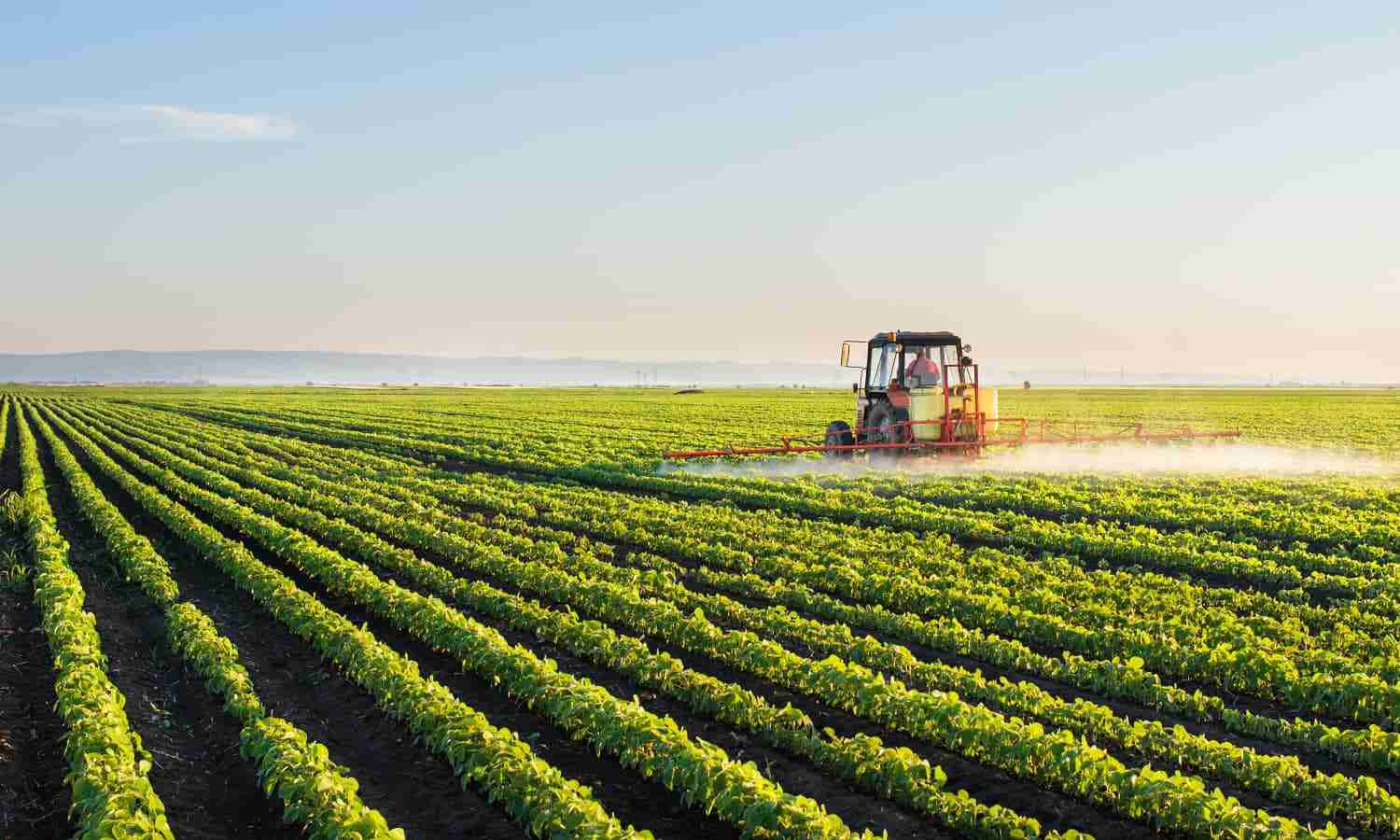
Exploring the Agricultural Roots of Corn Production
Tracing back through the annals of time, the origins of corn production reveal a fascinating tapestry woven into the very fabric of various cultures. Primarily cultivated by ancient civilizations such as the Maya and Aztecs, corn was not merely a crop; it was a lifeline, resonating with the spiritual and communal essence of those societies. As a staple food, corn quickly transitioned from humble origins to a central element of trade, economy, and daily sustenance. The plant’s adaptability to a range of environments played a pivotal role in its expansion beyond Mesoamerica, introducing diverse farming techniques and varieties that would eventually shape modern agriculture.
Today, the agricultural landscape of corn is a testament to innovation and sustainability. Farmers employ an array of practices designed to optimize growth and yield, ensuring that the crop remains a key component of global food security. These methods include:
- Crop Rotation: Enhances soil health and reduces pests.
- Precision Agriculture: Utilizes technology to maximize efficiency.
- Organic Farming: Focuses on chemical-free methods, promoting eco-friendliness.
- Genetic Modification: Increases resistance to diseases and improves yield.
Intriguingly, the journey of corn from field to flour also highlights its economic significance. The table below provides an overview of key corn-producing countries and their contributions to global output:
| Country | Annual Production (millions of metric tons) |
|---|---|
| United States | 385 |
| China | 265 |
| Brazil | 105 |
| Argentina | 50 |
Unraveling the Processing Techniques Behind Quality Flour
While the journey of corn from field to flour might seem straightforward, it is a complex process that transforms raw grain into a finely milled product suitable for various culinary applications. Initially, corn undergoes a selection process where only the highest quality kernels are chosen, ensuring that the end product is consistent and retains its flavor. The selected corn is then subjected to cleaning and conditioning, which involves removing impurities like stones, dirt, and leaves, while also adjusting the moisture content to optimize milling efficiency. This conditioning is crucial, as it prepares the kernels for the grinding phase by increasing their pliability without compromising structural integrity.
Once conditioned, the corn enters the milling stage, where various techniques are employed to achieve the desired flour texture. One common method involves mechanical grinding, utilizing either roller mills or stone grinders. Roller mills break down the corn into finer particles by applying force between closely spaced cylinders, while stone grinders create a more rustic flour with a coarser texture. Additionally, the flour can be subjected to sifting and grading processes to achieve uniformity in size and texture, categorizing it for different types of use—be it for baking, cooking, or industrial applications. The culmination of these meticulous methods ensures that the flour produced not only meets high standards of quality but also retains the essential nutrients and flavor inherent in the original grain.
| Processing Stage | Description |
|---|---|
| Selection | Choosing high-quality corn kernels for processing. |
| Cleaning | Removal of impurities to ensure purity and safety. |
| Conditioning | Adjusting moisture content for optimal milling. |
| Milling | Grinding kernels into flour using various techniques. |
| Sifting | Ensuring uniformity in flour texture and size. |

Sustainability Practices in Corn Processing for the Future
The journey of corn from field to flour encompasses various stages where sustainability practices can significantly impact the environment and economy. Crop rotation and intercropping enhance soil health, reducing the need for chemical fertilizers and pesticides while fostering biodiversity. Implementing precision agriculture technologies, such as drones and soil sensors, helps farmers make data-driven decisions, optimizing resource use and minimizing waste. Additionally, many processors are adopting renewable energy sources, like solar and wind, to power their operations, reducing greenhouse gas emissions and reliance on fossil fuels. These initiatives not only support environmental stewardship but also contribute to the community’s economic resilience.
Moreover, efficient water management techniques are gaining momentum in corn processing. Rainwater harvesting, drip irrigation, and water recycling systems are essential components of sustainable practices that ensure responsible water use. Alongside these techniques, the introduction of bioprocessing methods allows for the transformation of corn into various products while minimizing byproducts that contribute to waste. To further illustrate this, consider the following table that outlines the environmental benefits of select sustainable practices:
| Practice | Environmental Benefit |
|---|---|
| Crop Rotation | Improves soil fertility and reduces pest outbreaks |
| Precision Agriculture | Reduces water and fertilizer usage |
| Renewable Energy | Decreases carbon footprint |
| Water Recycling | Conserves freshwater resources |

Enhancing Nutritional Value: Innovations in Corn Flour Applications
The transformation of corn into flour has reached new heights with groundbreaking innovations aimed at enhancing its nutritional value. Recent advancements in processing techniques have paved the way for corn flour that is not just a staple ingredient but a powerhouse of vitamins and minerals. By incorporating enzyme technology and fermentation processes, manufacturers can significantly boost the bioavailability of nutrients found in corn, making it an even healthier option for consumers.
Additionally, the fusion of corn flour with other nutrient-dense ingredients has created exciting new products. These unique blends offer an array of health benefits, appealing to a wide range of dietary preferences. Some notable combinations include:
- Corn Flour with Quinoa: A complete protein source enriched with amino acids.
- Corn Flour with Flaxseed: High in omega-3 fatty acids, promoting heart health.
- Corn Flour with Spinach Powder: Adding iron and vitamins while retaining a vibrant color.
To showcase the comparative nutritional benefits, the following table illustrates the enriched profiles of these innovative corn flour blends:
| Combination | Key Nutrients | Health Benefits |
|---|---|---|
| Corn + Quinoa | Protein, Fiber, Iron | Supports muscle repair and boosts energy levels. |
| Corn + Flaxseed | Omega-3, Fiber, Antioxidants | Reduces inflammation and promotes digestive health. |
| Corn + Spinach | Vitamins A, C, K, Magnesium | Enhances immune function and bone health. |
The Way Forward
As we conclude our exploration of the journey from fields to flour, we are reminded of the intricate processes that transform humble corn into a versatile staple in kitchens around the world. From the sun-drenched fields where this golden grain flourishes, to the meticulous methods of harvesting and processing, each step in this journey reflects not just agricultural expertise but also a deep-rooted connection to the land and tradition.
The transformation of corn into flour is a testament to human ingenuity—an alchemy that takes nature’s bounty and turns it into a key ingredient for countless culinary creations. Today, as we enjoy cornbread, tortillas, or polenta, we partake in a rich history that spans centuries and continents.
Let us appreciate the hands that cultivate, the mills that grind, and the creativity that uses this flour to nourish and delight. The next time you savor a dish made from corn flour, remember it’s more than just a meal; it’s an interwoven narrative of culture, innovation, and sustainability. With each bite, we are not only tasting history but also participating in a dialogue between tradition and modernity, forever celebrating the remarkable journey from fields to flour.



