
Unlocking the Secrets of Maize Milling: A Flourishing Industry
In the heart of agricultural landscapes, where golden fields stretch endlessly towards the horizon, maize stands as a symbol of sustenance and growth. This humble grain, a staple in diets across the globe, holds a treasure trove of secrets waiting to be unveiled, particularly in the art of milling. As the demand for maize products surges, the milling industry is experiencing a renaissance, transforming raw kernels into an array of indispensable ingredients that fuel cuisines, industries, and economies alike. This article delves into the intricate world of maize milling, exploring its historical roots, modern techniques, and the vital role it plays in food security and economic development. Join us as we peel back the layers of this flourishing industry, revealing the innovations and traditions that make maize milling not only a craft but a cornerstone of global agricultural success.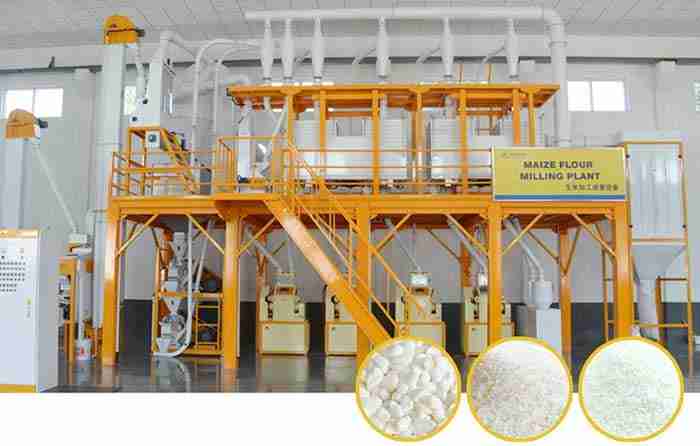
The Historical Roots and Cultural Significance of Maize Milling
Maize milling has long been intertwined with the social and economic fabrics of numerous cultures worldwide. This ancient practice, which can be traced back thousands of years to the indigenous peoples of the Americas, transformed how communities engaged with food production and consumption. Maize, or corn, was not merely a staple; it was a sacred crop that symbolized life and sustenance. Through the generations, harvesting and milling maize evolved as essential skills, fostering a deep connection between the people and their land. The milling process itself, often carried out using stone grinders, emerged as a ritualistic practice, reflecting both communal and familial bonds.
The cultural significance of maize milling extends beyond its nutritional value, serving as a catalyst for various cultural expressions. In many regions, it plays a vital role in traditional ceremonies and festivals, showcasing vibrant practices, such as:
- Harvest Celebrations: Events that honor the maize harvest often incorporate milling demonstrations.
- Artisan Craftsmanship: Local artisans create intricate milling tools that are celebrated as works of art.
- Cooking Traditions: The process of milling directly influences local cuisines, leading to the creation of unique dishes.
Moreover, the resurgence of maize milling in modern times reflects a growing appreciation for heritage and sustainability. Small-scale mills are once again vital parts of rural economies, enhancing food security and promoting local craftsmanship, while also fostering a sense of pride in cultural identity.
| Type of Influence | Examples |
|---|---|
| Nutritional | Rich in essential vitamins |
| Cultural | Rituals in festivals |
| Economic | Small-scale mill operations |
Understanding the Milling Process: Techniques and Technology
The milling process is a sophisticated blend of traditional techniques and cutting-edge technology, working in harmony to transform maize into a variety of valuable products. At its core, the process begins with the cleaning of maize, removing impurities and foreign materials. Once cleaned, the maize undergoes conditioning—a crucial step that involves adding moisture to soften the grain, making it easier to mill. Various milling techniques are employed, each influenced by the desired end product:
- Dry Milling: Typically used for producing cornmeal and grits, where the whole grain is milled without the addition of water.
- Wet Milling: A more complex process that separates starch, protein, and fiber, allowing for the creation of high-value products like corn syrup and ethanol.
- Stone Milling: A traditional approach that retains the flavor and nutrients of the grain, leading to artisanal flour.
Advanced technologies also play a pivotal role in enhancing the milling process. The integration of automated systems ensures consistency and efficiency while reducing waste. Sensors and artificial intelligence are utilized for real-time monitoring and quality control throughout production. Furthermore, implementing sustainable practices is becoming increasingly important, with many facilities adopting energy-efficient machinery and waste recycling protocols. Here’s a glimpse of some machinery commonly used in today’s milling operations:
| Machine Type | Function |
|---|---|
| Cleaning Equipment | Removes debris and impurities from maize |
| Roller Mill | Crushes maize into finer particles |
| Turbo Separator | Isolation of by-products from the main flour |

Market Trends and Consumer Preferences in the Maize Industry
The maize industry has undergone significant transformations driven by evolving consumer preferences and market trends. Increasing awareness about health and nutrition has prompted a shift toward whole grain and organic maize products. Consumers are becoming more discerning about their food sources, favoring products that are labeled as free from genetically modified organisms (GMOs) and rich in nutrients. Additionally, the rise of plant-based diets has spurred demand for maize-based alternatives, as maize is seen as a versatile ingredient. This trend is mirrored by a growing interest in local sourcing, with people preferring products that support local farmers and reduce carbon footprints. Consequently, maize flour and its derivatives have found a place not only in traditional recipes but also in the latest gourmet offerings.
Market research indicates several key drivers shaping the maize industry today. Convenience, for example, is crucial as consumers seek quick meal solutions without compromising quality. This has led to innovations in ready-to-eat and easy-to-prepare maize products. Furthermore, the increasing popularity of nutritional bars and snacks has intensified the focus on fortified maize products, incorporating additional vitamins and minerals. Below is a simplified overview of prevailing trends and consumer preferences:
| Trend | Consumer Preference |
|---|---|
| Health Consciousness | Preference for organic and whole grain options |
| Local Sourcing | Support for products from local farmers |
| Convenience | Desire for quick and easy meal solutions |
| Fortification | Interest in fortified maize products for better nutrition |

Strategies for Sustainable Growth and Innovation in Maize Milling
To thrive in the dynamic landscape of maize milling, industries must embrace innovative approaches that ensure not only profitability but also environmental and social sustainability. Implementing advanced technologies, such as smart milling techniques and energy-efficient machinery, can vastly improve production processes while minimizing waste. Additionally, establishing partnerships with local farmers encourages sustainable sourcing of raw materials, which can significantly reduce the carbon footprint associated with transportation. Stakeholders should also consider investing in research and development to explore alternatives to traditional milling practices.
A key element in driving sustainable growth is diversifying product offerings. By expanding beyond standard maize flour into value-added products like maize-based snacks, biofuels, or even nutritional supplements, businesses can capture emerging market trends. Furthermore, educating consumers on the benefits of maize products fosters a strong connection between producers and their communities. This could include integrating community programs or workshops that promote maize’s nutritional value, ultimately boosting demand while reinforcing the brand’s commitment to social responsibility.
| Strategy | Description |
|---|---|
| Energy Efficiency | Utilize machinery that reduces energy consumption. |
| Research & Development | Innovate new milling techniques and products. |
| Community Engagement | Educate and involve local communities in maize-related projects. |
| Partnerships | Collaborate with local farmers for sustainable sourcing. |
In Summary
As we bring our exploration of maize milling to a close, it becomes evident that this ancient grain not only sustains diets but also supports vibrant economies. The intricate processes behind maize milling reveal a world of innovation, where tradition meets technology to transform humble kernels into essential products. From the meticulous sorting and grinding to the artful blending and packaging, each step plays a pivotal role in delivering high-quality maize flour to homes and industries alike.
Understanding the nuances of this flourishing industry equips us with greater appreciation for the global supply chain that feeds billions. As emerging markets continue to evolve and adapt to changes in consumer preferences and environmental challenges, the potential of maize milling appears limitless. Whether it’s through investing in sustainable practices or harnessing advancements in milling technology, the future of maize milling promises to be as rich and diverse as the grain itself.
In a world where food security remains a pressing concern, the maize milling industry stands as a testament to resilience and creativity. Here’s to the trailblazers and artisans who unlock the secrets of maize milling daily, ensuring that this age-old grain continues to play a vital role in nourishing lives across the globe. The journey may be complex, but it’s one that ultimately connects us to the very essence of our sustenance. As we bid farewell to this exploration, may we carry forward the knowledge and insights gained, championing a sector that is not only vital but also brimming with opportunities for growth and innovation.



