
In the heart of bustling rural landscapes, where golden fields stretch toward the horizon, grains of rice have long been the lifeblood of communities. For centuries, the humble act of milling rice has been a time-honored tradition, steeped in cultural significance and labor-intensive processes. However, as the world spins ever faster and technology advances at an unprecedented pace, a transformative revolution is quietly reshaping the milling industry. Enter the era of commercial rice milling machines—mechanical marvels that promise to redefine efficiency, quality, and accessibility in rice processing. This article delves into the rise of these machines, exploring how they are not only streamlining operations for millers but also enhancing the livelihoods of farmers and consumers alike. Join us as we unravel the intricate journey of grains from the field to the plate, highlighting the pivotal role of innovation in this age-old staple.
Understanding the Technological Advancements in Rice Milling Machines
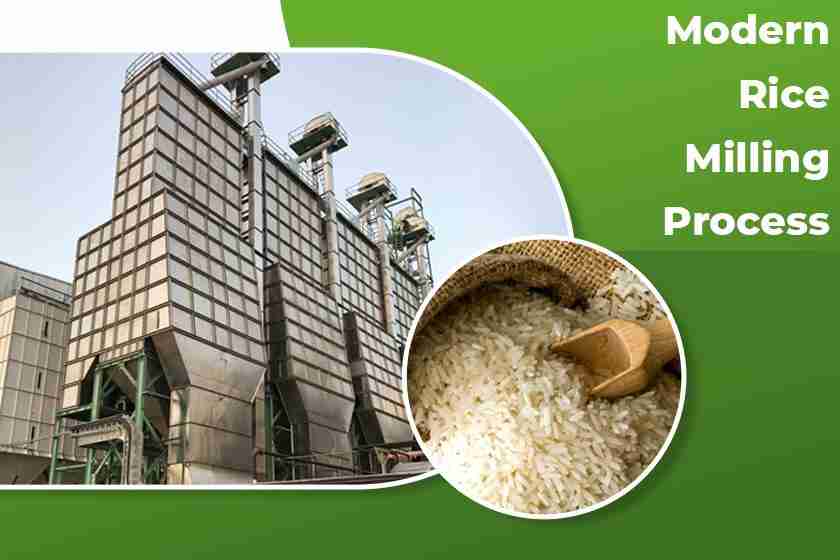
The advancements in rice milling technology have revolutionized the way rice is processed, leading to efficiency and quality that was once unimaginable. Modern milling machines are now equipped with sophisticated components such as automated husking units, precision grading systems, and high-efficiency polishing mechanisms. These features not only reduce the amount of broken rice during processing but also enhance the overall quality of the final product. Today’s machines are designed to meet diverse needs, accommodating both large-scale processing facilities and smaller, community-based operations.
Furthermore, the integration of smart technology into rice milling equipment has pushed the boundaries of traditional processing. Many of these machines now incorporate features like IoT connectivity, enabling remote monitoring and management through mobile applications. This connectivity facilitates data analysis, allowing mill operators to optimize their production strategies while minimizing waste. Important aspects of modern rice milling include:
- Energy Efficiency: Saving both time and resources.
- Quality Control: Real-time feedback on grain quality.
- Scalability: Easily adjustable to meet varying demands.
To illustrate the impact of these advancements, here’s a concise comparison of traditional versus modern rice milling systems:
| Feature | Traditional Milling | Modern Milling |
|---|---|---|
| Processing Time | Longer | Significantly Reduced |
| Quality of Rice | Variable | Consistently High |
| Energy Consumption | High | Low |
| Automation Level | Low | High |
the impact of technological advancements on rice milling cannot be overstated. As the industry continues to evolve, these innovative machines not only promise to improve efficiency and output but also offer greater sustainability in rice production.

The Economic Impact of Commercial Rice Milling on Local Communities
The advent of commercial rice milling machines has considerably shifted the economic landscape in rural regions, cultivating opportunities for prosperity and growth. These machines are not just a means to enhance productivity; they serve as vital catalysts, enabling local farmers to maximize their yields and reduce post-harvest losses. As quality milling becomes accessible, farmers can sell their produce at competitive prices, leading to:
- Increased farmer income: With better milling processes, farmers can fetch higher prices for their polished rice.
- Job creation: The establishment of milling facilities leads to the creation of various local jobs ranging from operations to maintenance.
- Investment in local infrastructure: Higher economic activity improves local roads and facilities, fostering further development.
Additionally, the ripple effects of commercial rice milling extend beyond farmers to the broader community. The increased availability of milled rice often results in lower market prices, making staple grains more accessible to the population. This accessibility can enhance food security and contribute to better nutrition among local citizens. Moreover, as local processing facilities become more prominent, they can evolve into hubs for:
| Community Benefits | Description |
|---|---|
| Marketplaces | Creating spaces for farmers to sell their goods directly to consumers. |
| Education Centers | Offering training on modern agricultural practices and milling technologies. |
| Cultural Exchange | Bringing in new agricultural techniques and fostering collaborations. |
By integrating commercial rice milling into the local economy, communities can transform not only their agricultural practices but also sustain and nurture their socio-economic fabric, ensuring a brighter, more resilient future.
Best Practices for Operating and Maintaining Rice Milling Equipment
Maintaining optimal performance in rice milling operations involves adhering to several key practices that ensure the equipment runs efficiently and effectively. Firstly, regular inspections should be conducted to identify any signs of wear and tear. This includes checking the grain husker, miller, and separator for any obstructions or build-up. Additionally, establishing a routine for cleaning and lubricating moving parts can prevent unnecessary friction, thereby extending the lifespan of critical components. Operators should keep a maintenance log that tracks all upkeep activities, ensuring nothing is overlooked.
It is also essential to train operators on the proper use of the machinery to minimize risks of damage. This includes understanding the right settings for different types of rice and moisture levels, as improper adjustments can lead to subpar milling results. Furthermore, investing in quality spare parts is advisable to maintain peak performance, as cheaply made replacements may compromise the machine’s functionality. A well-structured maintenance schedule should include:
| Maintenance Activity | Frequency | Responsible Person |
|---|---|---|
| Visual Inspection | Daily | Machine Operator |
| Deep Cleaning | Weekly | Maintenance Team |
| Lubrication of Parts | Monthly | Maintenance Team |
| Replacement of Worn Out Parts | As Needed | Maintenance Manager |
Future Trends in the Rice Milling Industry: Sustainability and Innovation
The rice milling industry is undergoing a transformative journey towards enhancing sustainability and incorporating innovative practices. As environmental concerns escalate, more milling operations are adopting methods that reduce waste and conserve energy. New technologies in rice milling machines are designed to optimize husk utilization, converting waste into biofuel or organic fertilizers. This not only minimizes the ecological footprint of milling processes but also adds value to by-products, creating additional revenue streams for millers. Further, advances in water conservation techniques are proving pivotal, with newer milling systems capable of operating with significantly less water without compromising the quality of the final product.
Innovation is not just about machinery; it extends to how rice is processed and marketed. Smart technologies, such as AI and IoT, are being integrated into milling operations, providing real-time monitoring and data analytics to improve efficiency and quality control. These technologies enable millers to track everything from rice quality to machine performance, ensuring optimal operations. Additionally, trends toward organic and non-GMO rice varieties have spurred the development of specialized milling equipment that caters to these niche markets. As consumers become increasingly conscious of the origins and sustainability of their food, the rice milling industry is poised to adapt rapidly, ensuring that the grains processed meet the evolving demands of health-conscious consumers.
Final Thoughts
As we conclude our exploration of the transformative journey within the rice milling industry, it becomes clear that the rise of commercial rice milling machines is not merely a technological advancement but a pivotal shift in agricultural practices. These machines have redefined how we process grains, maximizing efficiency, quality, and accessibility in ways previously unimaginable. By embracing innovation, farmers and millers are empowered to meet the demands of a growing global population while ensuring that rice—one of the world’s staple foods—remains a reliable source of nutrition.
The story of rice milling is one of adaptation and progress, where tradition intersects with modernity. As we look to the future, it is crucial to continue investing in technology that respects the land, honors the craftsmanship behind grain processing, and supports sustainable practices. The rise of commercial rice milling machines is just the beginning; it holds the promise of transforming not only how we enjoy our meals but also how we think about food systems as a whole. As we move forward, let us embrace this new era with optimism and an eye towards innovation, commitment, and sustainability in every grain we cultivate.



