
From Field to Flour: The Art and Science of Maize Milling
In a world increasingly defined by processed foods and convenient cooking solutions, the journey from raw grain to finely milled flour often goes unnoticed. Yet, nestled within this transformation lies a rich tapestry woven from tradition, innovation, and meticulous craftsmanship. Maize, or corn, stands as a testament to agricultural ingenuity, serving not only as a staple in diets across the globe but also as a canvas for culinary exploration. The process of maize milling is both an art and a science—an intricate dance that balances age-old techniques with modern technology, yielding a versatile ingredient that feeds millions. This article embarks on a journey through the fields where maize is cultivated, exploring the complexities of milling and unveiling the nuanced interplay between nature and human expertise that turns golden kernels into the flour that influences cuisines around the world. Join us as we delve into the fascinating world of maize milling, where every grain tells a story of heritage, innovation, and the timeless quest for flavor and nourishment.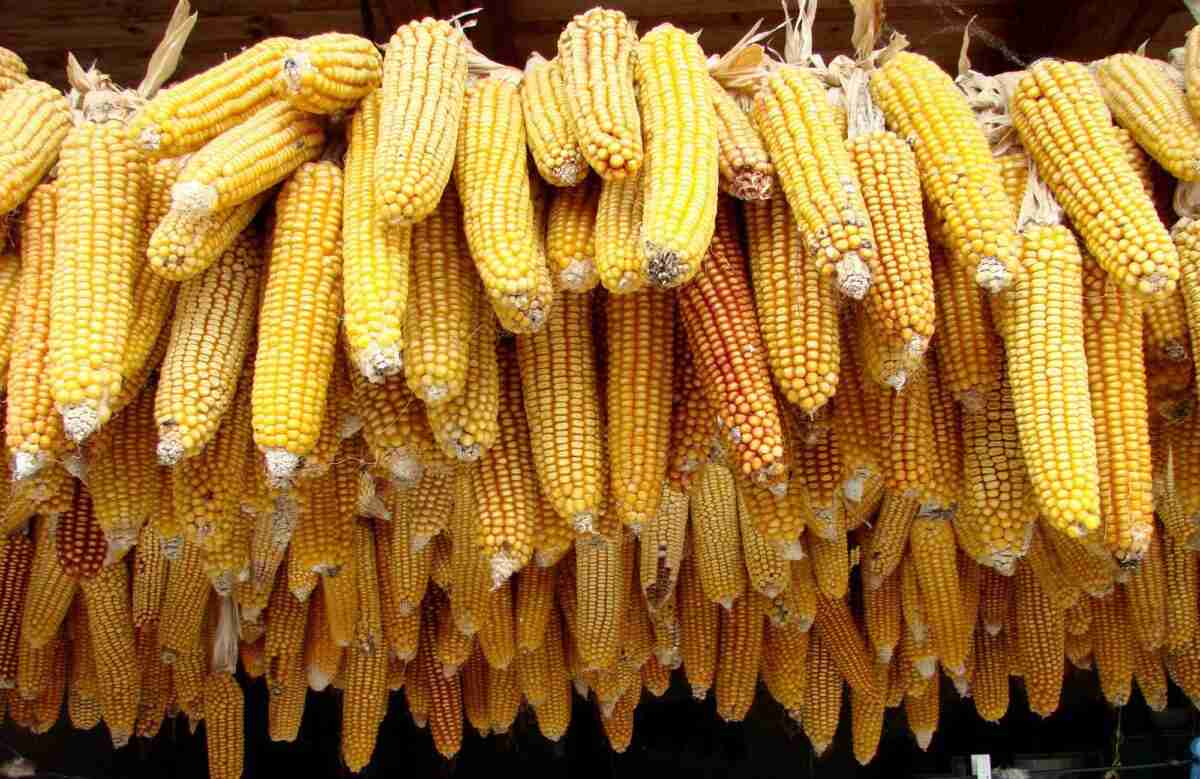
The Journey of Maize: Cultivation Practices and Their Impact on Quality
Maize, a staple crop that has nourished civilizations for centuries, undergoes a remarkable transformation from seed to final product. The success of maize cultivation is influenced by various factors, including soil type, climate, and farming practices. Farmers often employ a range of techniques to enhance the growth of their maize crops, which can significantly affect the quality of the grain harvested. Key practices include:
- Soil Preparation: Ensuring nutrient-rich soil through appropriate tillage and fertilization methods.
- Water Management: Implementing irrigation systems or utilizing rain-fed techniques that optimize moisture availability.
- Pest Control: Utilizing integrated pest management to protect crops from harmful insects without resorting to excessive chemical use.
- Crop Rotation: Promoting soil health and breaking pest cycles to yield a higher quality harvest.
The culmination of these cultivation practices significantly impacts the quality of maize, which is essential for milling. High-quality maize not only yields better flour but also contributes to the nutritional profile of the end product. When milling maize, factors such as kernel hardness, moisture content, and grain cleanliness come into play. This results in flour that varies in texture and flavor, catering to diverse culinary applications. The relationships between cultivation methods and flour quality can be illustrated as follows:
| Factor Affecting Quality | Impact on Milling |
|---|---|
| Kernel Moisture | Optimal moisture levels lead to efficient milling and better flour consistency. |
| Kernels Size | Uniformity in size ensures even milling, resulting in finer flour. |
| Pest Damage | Undamaged kernels contribute to higher yields and a cleaner milling process. |

Understanding the Milling Process: Techniques that Transform Grain into Flour
In the journey of transforming grain into flour, several milling techniques come into play, each one crucial for achieving the desired texture, flavor, and nutritional value. The most common methods include stone milling, roller milling, and hammer milling. Each technique brings its own unique qualities to the flour, impacting everything from baking results to health benefits.
- Stone Milling: This ancient method uses natural stones to grind the grain, preserving essential nutrients and flavor.
- Roller Milling: A more modern technique, roller milling employs a series of metal rollers to break down the grain, resulting in fine, uniform flour.
- Hammer Milling: In this method, hammers rapidly swing to crush the grain, making it suitable for coarser products like grits or cornmeal.
To understand the specifics of each technique, consider the processing characteristics: the stone milling yields flour that retains bran and germ for added nutrition, while roller milling focuses on the endosperm, producing lighter, fluffier flour ideal for pastries. An overview of the different milling methods can be seen in the table below, highlighting the unique aspects of each process.
| Technique | Advantages | Uses |
|---|---|---|
| Stone Milling | Retains nutrients and flavor | Artisanal bread, whole grain products |
| Roller Milling | Highly efficient, produces fine flour | Breads, pastries, white flour products |
| Hammer Milling | Versatile for various grain sizes | Grits, cornmeal, animal feed |

Nutritional Insights: The Advantages of Whole Grain Maize Flour
Whole grain maize flour emerges as a nutritional powerhouse, offering a wealth of benefits that align perfectly with contemporary health trends. Packed with vital nutrients, this flour retains the entire kernel, ensuring that all parts—the germ, bran, and endosperm—contribute to its nutritional profile. This means you’re not just getting carbohydrates; you’re also benefiting from:
- Fiber: Aiding digestion and promoting gut health.
- Vitamins: Rich in B vitamins such as niacin and folate, crucial for energy metabolism.
- Minerals: Contains important minerals like magnesium and phosphorus, essential for bone health.
- Antioxidants: Fighting free radicals in the body to help reduce inflammation.
The incorporation of whole grain maize flour into your diet can serve as a versatile option in various culinary applications, from baking to thickening sauces. Unlike refined grain products, this flour maintains a natural sweetness and slight nuttiness, enhancing flavors in both savory and sweet dishes. Additionally, consider the following advantages:
| Nutrient | Amount per 100g |
|---|---|
| Fiber | 7.3g |
| Protein | 8.5g |
| Iron | 1.0mg |
| Calories | 364 |
Choosing whole grain maize flour not only contributes to a balanced diet but also reinforces the importance of whole foods. By embracing this natural ingredient, you support sustainable farming practices and celebrate the connection between agriculture and nutrition. This mindful approach to eating can foster a healthier lifestyle, proving that every meal can be both delicious and nutritious.
Sustainable Milling: Innovations for Eco-Friendly Practices in the Industry
The milling industry is undergoing a significant transformation as innovations strive to balance productivity with sustainability. Techniques that minimize energy consumption while enhancing output are being implemented through cutting-edge technology and eco-friendly practices. Biomass energy, derived from agricultural waste, is emerging as a preferred power source. By utilizing the byproducts of maize milling, such as husks and cobs, mills can significantly reduce their carbon footprints. Furthermore, advancements in precision milling technology allow for the efficient use of energy and materials, ensuring that only the necessary resources are consumed during the milling process. This not only conserves resources but also reduces waste, highlighting a commitment to eco-friendly practices in the industry.
Moreover, water conservation methods are being introduced to further support sustainable milling operations. By incorporating closed-loop water systems, mills can reuse water, minimizing the need for external water sources and reducing overall consumption. Innovations in waste management also play a critical role in sustainable milling practices, as mills adopt strategies to recycle or repurpose waste products. The implementation of digital monitoring systems ensures that mills optimize their resources in real-time, actively tracking energy and water use. As the milling industry embraces these eco-friendly innovations, it sets a precedent for responsible agricultural practices, ultimately contributing to a more sustainable future for food production.
To Conclude
As we conclude our exploration of “From Field to Flour: The Art and Science of Maize Milling,” we are left with a deeper appreciation for the intricate journey that this golden grain undertakes. From the sun-kissed fields where maize plants sway gently in the breeze to the bustling milling facilities where it is transformed into a fine, versatile flour, each step is a harmonious blend of art and science.
The process captures the essence of agronomy, technology, and culinary creativity, revealing how a simple crop can serve as the foundation for myriad dishes and cultures worldwide. As we savor the delights that maize flour brings to our tables—be it in the form of tortillas, cornbread, or polenta—we are reminded of the broader story behind each bite, one that unites farmers, millers, and chefs in a shared pursuit of nourishment and innovation.
In celebrating this journey, we invite you to look closer at the ingredients that grace your meals, reflecting on the dedication and expertise that transform nature’s bounty into something truly remarkable. As you cook, bake, and share, remember the journey from field to flour—a testament to the wonders of nature and the ingenuity of humankind.



